
How a Plumbing Company Can Help With Your Slab Leak Detection
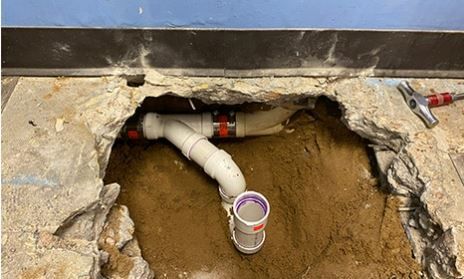
There are various methods that can aid in effective slab leak detection. Understanding and identifying slab leaks is crucial for maintaining the integrity of your home’s foundation and preventing costly water damage. According to the EPA, a typical household's leaks can account for more than 10,000 gallons of water wasted annually, highlighting the importance of timely detection. A proactive approach to slab leak detection is essential for homeowners looking to protect their investment and ensure a safe living environment.
Advanced Diagnostic Tools
Electronic Leak Detection
Electronic slab leak detection has revolutionized the way professionals identify leaks beneath concrete slabs. This technology involves using specialized equipment to locate leaks by detecting their electromagnetic signals. It reduces the need for invasive procedures, such as breaking through the concrete, which can be costly and time-consuming. By pinpointing the exact location of a leak, electronic detection prevents extensive damage and facilitates more efficient repairs. This method ensures a more accurate and less disruptive approach to managing slab leaks.
Infrared Thermal Imaging
Infrared thermal imaging is an innovative method used to identify moisture and temperature variations through concrete slabs. With advanced infrared cameras, technicians can detect subtle changes in heat patterns that are indicative of leaks. This non-invasive technique provides a detailed snapshot of potential problem areas without the need for destructive testing. Technicians can analyze the thermal images to diagnose issues quickly, allowing for timely slab leak detection. This proactive approach minimizes water damage and helps maintain the structural integrity of your property.
Acoustic Listening Devices
Acoustic listening devices offer another effective solution for slab leak detection. These sensitive microphones can pick up the sound of water flowing or dripping beneath your slab, even when it isn't visible. By analyzing these audio signals, professionals can accurately determine the location of a leak. This method is particularly useful in detecting multiple leak sources, ensuring comprehensive inspection and repair. The use of acoustic technology exemplifies how modern tools are enhancing precision in leak detection efforts.
Comprehensive Plumbing Inspections
Video Camera Inspections
Video camera inspections have become a cornerstone of modern plumbing assessments. By deploying waterproof cameras into the pipes, technicians can visually inspect the system for any signs of damage or obstruction. This method provides a firsthand view of the problem areas, enabling more informed decision-making on repairs. It also helps identify potential future risks, allowing for preemptive measures to be taken. The clarity and precision of video inspections make them an indispensable tool in the arsenal of leak detection strategies.
Hydrostatic Testing
Hydrostatic testing is a traditional yet effective approach for evaluating the condition of water lines. This method involves filling the plumbing system with water and monitoring pressure levels for any losses. Detecting pressure drops is an indication of a leak within the system, which can then be isolated for repairs. Hydrostatic testing is especially beneficial in assessing the integrity of new installations and refurbished systems. It remains a simple and credible way to ensure that plumbing systems are leak-free and dependable.
Plumbing System Analysis
The comprehensive analysis of a home plumbing setup is vital to identify vulnerabilities. This process includes evaluating the overall plumbing design, material quality, and installation practices. Thorough inspections help uncover weaknesses that could lead to leaks, ensuring preventive measures can be put in place. This analysis often involves multiple diagnostic tools to provide a holistic view of the system's health. By understanding the complete setup, homeowners can make informed decisions about necessary upgrades or repairs.
Expert Technician Guidance
Initial Consultation
The initial consultation with a professional plumber is a crucial step in effective leak management. Early consultation provides homeowners with a better understanding of the potential scale and implications of slab leak detection. It allows for the introduction of appropriate diagnostic tools tailored to the specific needs of the property. Expert consultants can also identify potential risk factors that may not be immediately evident. Engaging with professionals from the outset ensures a structured approach to managing leaks and maintaining the property’s structural health.
On-Site Assessment
An on-site assessment provides a detailed evaluation of the plumbing system's current condition. Technicians perform comprehensive inspections, utilizing both traditional and advanced diagnostic tools. This assessment allows for the accurate identification of leak sources and informs the development of a tailored repair plan. By conducting thorough on-site evaluations, technicians can recommend the most efficient and cost-effective intervention strategies. This ensures that repairs are not only effective but also align with the homeowner's long-term maintenance objectives.
Customized Leak Detection Plans
Every property is unique, and so are its maintenance needs, making customized leak detection plans highly beneficial. Such plans consider the specific layout, age, and material of a home's plumbing system to ensure that all potential leak sources are covered. Personalized plans also allow for the incorporation of homeowner preferences and budgetary constraints. By addressing the nuances of each situation, these plans enhance the overall effectiveness of slab leak detection efforts. Tailored approaches ensure that slab leaks are managed efficiently and effectively, preserving residential investments.
Environmental Impact Considerations
Water Conservation Techniques
Effective leak detection goes hand in hand with water conservation efforts. Implementing methods that minimize water wastage throughout detection processes contributes to environmental sustainability. Low-flow detection techniques are designed to ensure comprehensive leak identification while reducing water consumption. These practices not only benefit the environment but also align with cost-saving strategies for homeowners. By prioritizing conservation alongside detection, service providers contribute to broader sustainability goals.
Eco-Friendly Practices
Eco-conscious detection and repair methods reflect a growing commitment to environmental responsibility. Professionals adopt practices that minimize resource usage, emphasizing the use of sustainable materials and eco-friendly technologies. These methods ensure that environmental impact is not overlooked during leak management activities. Choosing providers who are committed to eco-friendly practices helps homeowners align with sustainable living goals. The integration of such practices into standard procedures demonstrates the industry's dedication to reducing its ecological footprint.
Materials and Waste Management
Sustainable materials and waste management practices play a significant role in eco-friendly leak detection. Proper handling and disposal of materials used during detection processes ensure minimal environmental disruption. Service providers often employ recycling or biodegradable products wherever possible, reducing landfill contributions. By prioritizing waste management, companies are taking a proactive stance towards environmental stewardship. Homeowners can feel confident that their leak detection services are conducted with a commitment to sustainability in mind.
Enhanced Customer Service
24/7 Customer Support
Round-the-clock customer support is a critical component of effective leak detection services. This continuous availability ensures that homeowners can receive assistance and advice whenever a leak is detected. Support teams equipped with the necessary expertise provide peace of mind and quick resolution of concerns. Having access to 24/7 customer support minimizes downtime and inconvenience to homeowners.
Client Feedback Mechanism
Client feedback mechanisms are instrumental in fostering continuous improvement within leak detection services. By actively seeking and incorporating customer insights, companies can refine their offerings and address potential areas for development. Feedback loops ensure that services remain aligned with client expectations and evolving industry standards. Regular engagement with customers through surveys and reviews contributes to informed service enhancements.
Service Follow-up Procedures
Effective follow-up procedures are essential for ensuring complete customer satisfaction post-service. These protocols involve re-evaluating repaired areas and assessing the ongoing performance of plumbing systems. Follow-ups facilitate the identification and resolution of any residual issues, reinforcing the quality of service delivery. By prioritizing thorough follow-up procedures, companies demonstrate their commitment to comprehensive client care.
Effective slab leak detection is crucial in preserving the structural integrity of your property and can be achieved through various innovative methods and expert guidance. With the support of licensed professionals, sophisticated diagnostic tools, and comprehensive maintenance plans, homeowners can safeguard their property from the detrimental effects of slab leaks. If you need help with precise and timely slab leak detection, contact Jim England Plumbing today!
Share On: