Signs It Might Be Time to Replace Your Water Heater
Property owners rarely consider the mechanics of their hot water infrastructure until a sudden failure disrupts daily operations or household routines. Maintaining a steady supply of hot water is vital for comfort, sanitation, and compliance with health regulations across commercial and residential properties alike. Recognizing the physical indicators of system decline allows managers to coordinate a planned upgrade before an expensive emergency occurs.
Investing in timely property maintenance prevents minor structural issues from escalating into major liabilities. According to the U.S. Bureau of Labor Statistics, aspiring plumbers typically complete an apprenticeship lasting 4 to 5 years, which requires 2,000 hours of paid workplace training annually. Relying on this depth of professional training ensures that your property receives precise diagnostics, keeping essential systems operational and energy bills predictable.
Monitoring the Age of the Appliance
Every mechanical system possesses a definitive operational lifespan, regardless of initial build quality or ongoing preventative care. Standard tank configurations generally provide reliable service for six to ten years, while specialized alternative models may extend that timeline slightly. Operating an appliance beyond this decade milestone significantly increases the probability of an internal failure.
Even if an older unit appears to function without obvious issues, its internal efficiency declines over time. The metal shell and interior elements undergo continuous thermal expansion and contraction cycles, which weakens structural integrity. Proactively assessing the manufacture date on the data plate helps property managers schedule a replacement on their own timeline rather than reacting to a catastrophic rupture.
Observing Red or Rusty Discoloration
Healthy plumbing systems should distribute completely clear water to every fixture across a facility. The appearance of a reddish, brown, or metallic tint in the hot water supply indicates that internal oxidation is actively occurring. This discoloration typically signifies that the protective sacrificial anode rod has fully degraded, leaving the raw steel tank lining vulnerable to rust.
To confirm the source of the issue, testing the cold water lines is an effective troubleshooting step. If the rust only manifests when utilizing the hot side of a fixture, the localized appliance is the clear source of the problem. Continued operation of a rusting tank inevitably leads to metal thinning, pinpoint structural failures, and eventual flooding.
Listening to Unusual Internal Noises
Quiet operation is a hallmark of a properly functioning utility system. As an appliance ages, it often begins to emit distinct banging, popping, or rumbling sounds during its active heating cycles. These noises are not merely annoying distractions; they represent a physical accumulation of solid mineral scale at the base of the tank.
Hard water minerals naturally precipitate out of solution and settle over the burner assembly or electrical elements. As the system heats, water trapped beneath this crust boils and turns to steam, creating a popping sound as it escapes through the sediment layer. This barrier forces the unit to run longer and hotter, accelerating mechanical fatigue and driving up monthly utility expenses.
Inspecting for Visible External Puddles
Moisture accumulating around the base of a utility enclosure is a critical warning sign that requires immediate investigation. Small pools of water can occasionally stem from minor issues, such as a loose fitting or a faulty temperature and pressure relief valve. However, fracturing within the primary metal tank structure itself is frequently the true cause of localized pooling.
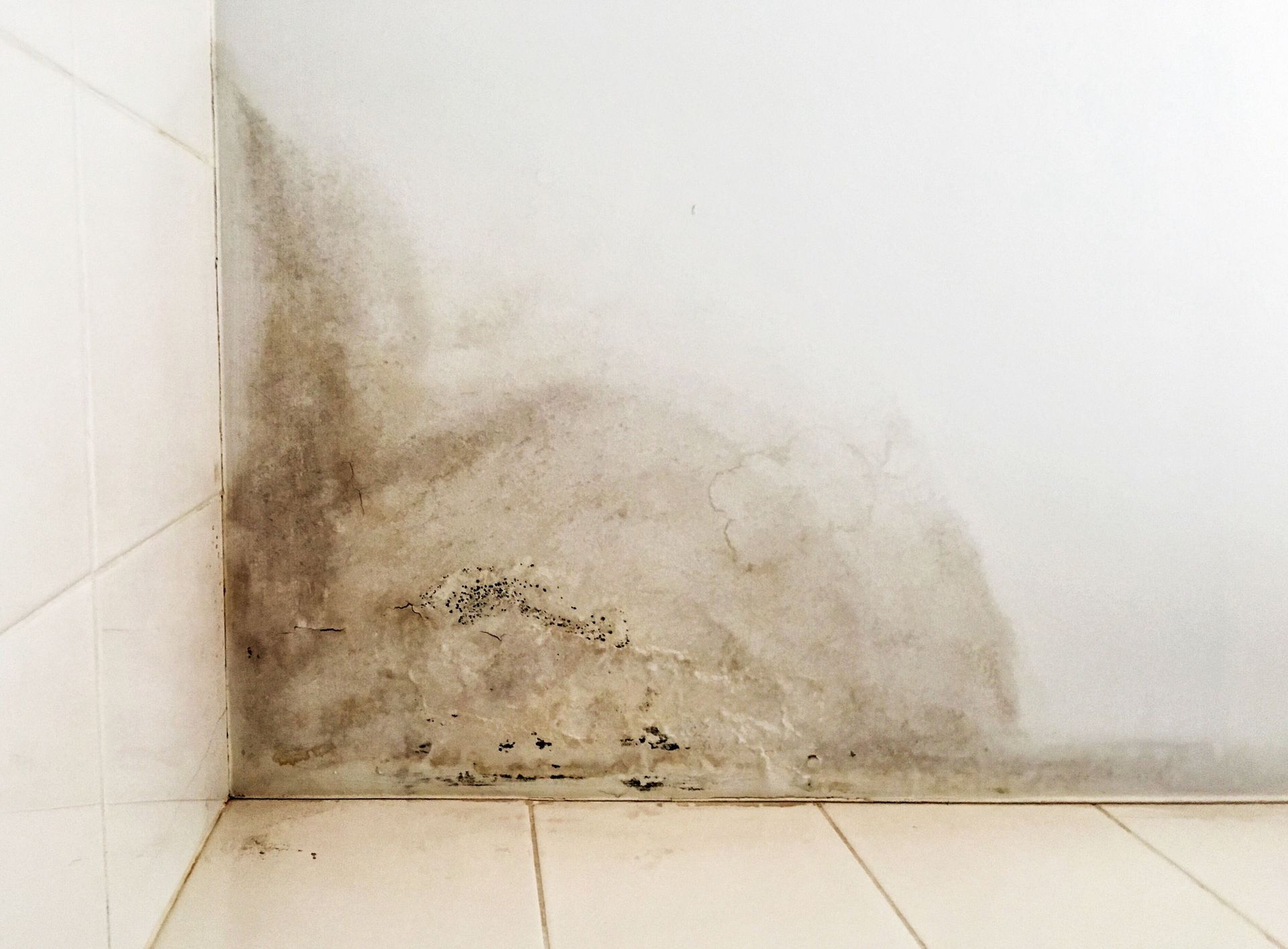
Metal expands when heated, which can cause micro-fractures along old welds or corrosion points to weep water. When the system cools down, these metal pathways contract, occasionally hiding the source of the leak from casual observation. Ignoring these small puddles exposes the surrounding building materials to mold growth and risks a total tank burst that can flood a basement or utility room. This type of structural moisture rapidly degrades subflooring, warps drywall, and compromises structural integrity, resulting in expensive remediation fees. Once a localized fracture opens within the core tank shell, localized repairs are no longer a viable option, making a complete replacement necessary. Proactively installing a new unit prevents the immense stress of sudden property flooding and keeps your operational environment entirely dry. Furthermore, modern installations include enhanced safety controls and durable construction materials designed to resist structural corrosion, providing long-term peace of mind and stable facility operations.
Tracking Decreases in Temperature Consistency
A reliable water heater system should deliver a predictable volume of thermal energy on demand. When users begin to experience lukewarm temperatures during standard usage cycles, the system is struggling to meet basic operational requirements. This drop in capacity often stems from a broken internal dip tube or a burned-out electrical heating element.
When a dip tube fails, cold incoming supply water mixes directly with the hot water exiting at the top of the tank, lowering the delivery temperature. Similarly, compromised electrical elements force the remaining functional components to work double time, leading to rapid system wear. If a system cannot maintain standard temperatures during normal demand periods, a structural replacement is often the most cost-effective solution. Ignoring these performance deficits forces the machinery to run continuously, which dramatically inflates monthly energy consumption. This constant strain ultimately triggers a total system breakdown, often at the most inconvenient time for your facility. Upgrading ensures a consistent, uninterrupted supply of thermal energy that easily handles peak operational hours. Furthermore, modern equipment utilizes advanced insulation and superior heat transfer technology to maintain precise temperature targets with minimal energy waste, protecting both your daily routines and your bottom line.
Managing Frequent Repair Incidents
Financing occasional water heater component replacements is a normal aspect of property management, but escalating service frequencies indicate an unsustainable trend. When a single appliance requires multiple service calls within a single year for issues like failing valves, broken thermostats, or electrical faults, the hardware has reached its economic tipping point.
Continuing to patch an unstable system drains financial resources that could be better directed toward modern, high-efficiency equipment. Upgrading to a new platform eliminates the unpredictability of recurring breakdowns and introduces updated manufacturing standards. Analyzing the cumulative cost of ongoing repairs versus a new installation helps property owners make a sensible, long-term financial decision. Sinking capital into an aging asset only delays the inevitable while exposing the building to heightened operational risks. A modern unit introduces substantial monthly utility savings that actively work to offset the initial installation costs. Making the transition before total mechanical failure occurs allows for a planned, stress-free upgrade on your own schedule. This strategic approach ensures your facility retains its operational continuity and long-term asset value.
Investing in Property Long-Term Comfort
Addressing utility vulnerabilities early preserves building safety and maintains the daily comfort of everyone on the property. Prioritizing timely upgrades minimizes the threat of unexpected business interruptions or costly property restorations from water damage. Partnering with seasoned professionals ensures your infrastructure remains resilient and compliant with all local standards. Taking these proactive steps removes the guesswork from property management, allowing you to focus on daily operations rather than impending utility failures. Investing in modern systems not only stabilizes your overhead expenses but also enhances overall property value. Ultimately, a well-maintained facility creates a secure environment where building occupants can thrive without the disruption of sudden utility emergencies.
For expert assistance with drain cleaning, gas lines, sewer lines, slab leaks, water heater repair, water heater maintenance, and a new water heater installation, count on the experienced team at Jim England Plumbing to deliver the reliable service your property deserves.
Share On: