6 Costly Water Heater Repair Mistakes Avoided
Water heaters are indispensable components of modern domestic comfort, providing the warm water necessary for daily cleansing, cooking, and sanitation. While these robust systems are engineered to endure continuous operation, they require regular attention to perform efficiently. Understanding common pitfalls and learning how to handle standard water heater repair tasks properly can preserve your household budget and long-term peace of mind.
Neglecting the early warning signs of system degradation transforms minor, inexpensive fixes into catastrophic mechanical failures that require total system replacement. Taking a proactive approach to your home plumbing infrastructure ensures optimal performance, increases safety, and lowers monthly utility expenses. By identifying the most frequent operational errors, you can establish an effective strategy to keep your equipment running smoothly.
1. Maintain Routine Service Schedules
Failing to schedule consistent inspections is a major oversight that frequently compromises the efficiency of domestic heating systems. Many homeowners operate under the completely false assumption that if an appliance is currently functional, it requires absolutely no professional oversight. This passive approach allows microscopic issues, like component wear, to expand unchecked beneath the surface over extended periods.
The long-term consequences of omitting routine maintenance manifest clearly in inflated energy consumption and shortened equipment lifespans. When a system operates without periodic tune-ups, its internal mechanical parts work harder to achieve standard heating results. Homeowners often notice a creeping increase in utility statements without realizing that an unmaintained appliance is the primary culprit.
While property owners can independently manage basic visual checks, comprehensive system tune-ups demand specialized mechanical knowledge. Skipping professional assessments leaves your household vulnerable to sudden system breakdowns that require urgent water heater repair interventions. New equipment evaluations safeguard your financial investment and ensure your home enjoys uninterrupted warmth throughout the entire year.
2. Set Thermostat Temperatures Correctly
Setting the internal thermostat to an excessively high temperature is a widespread mistake that jeopardizes household safety while inflating monthly utility costs. Many individuals believe that maximizing the temperature setting guarantees a superior supply of hot water during peak usage times. However, this practice creates an unnecessarily hazardous environment inside the storage tank, accelerating component degradation.
Operating a heating unit at extreme temperatures significantly increases the risk of accidental scalding, particularly for vulnerable family members. Beyond immediate dangers, excessive heat accelerates the accumulation of mineral scale along the interior lining of the tank. This rapid material buildup forms an insulating barrier that impairs heat transfer, forcing the unit to consume more energy.
Carefully adjusting the temperature controls requires a thorough understanding of your specific appliance model and its safety guidelines. Homeowners should consult their official equipment documentation to locate the thermostat dial and safely recalibrate the settings. Utilizing precise adjustments allows for better control over energy usage, leading to noticeable savings on utility statements.
3. Avoid Risky DIY Tasks
Attempting complex water heater repair projects without specialized technical training is a dangerous shortcut that frequently results in severe self-inflicted damage. Deceptive instructional guides make intricate plumbing and electrical tasks look simple to execute. Inspired by these resources, homeowners attempt to replace sophisticated components themselves, unaware of the precision required for these operations.
Domestic heating appliances sit at a complex intersection of high-voltage electrical circuits, pressurized water lines, and volatile gas connections. Working on these volatile systems without certified training introduces extreme risks, including electrical shocks, gas leaks, and localized fires. A minor mistake during an amateur installation can trigger extensive property destruction or severe personal injury.
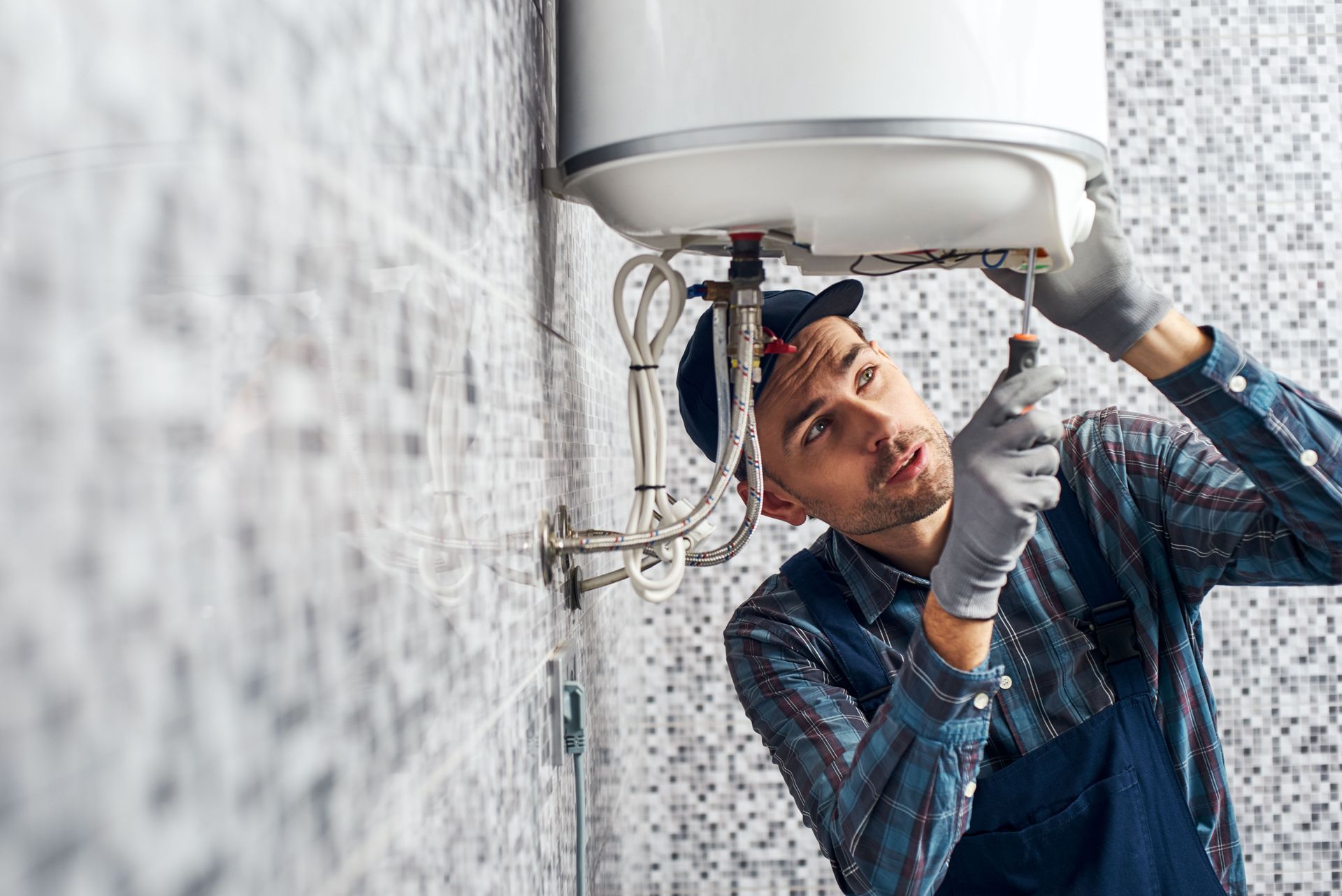
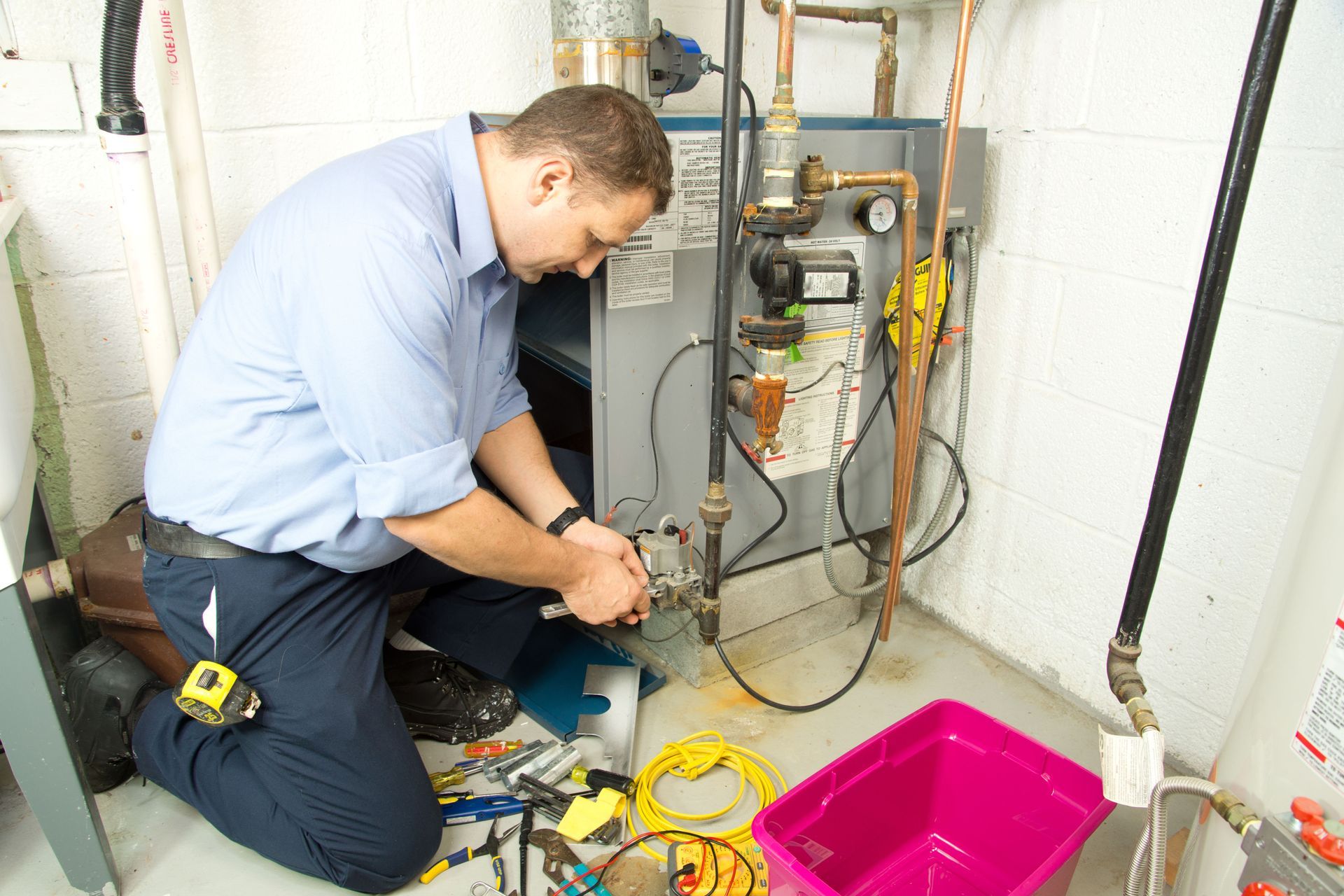
While learning about basic home maintenance is highly commendable, complex diagnostic work must always be delegated to licensed plumbing professionals. Experts undergo rigorous training to master the nuances of various appliance configurations, ensuring adherence to building codes. Entrusting your complicated system issues to a qualified technician preserves your valuable equipment warranty.
4. Repair Minor Leaks Immediately
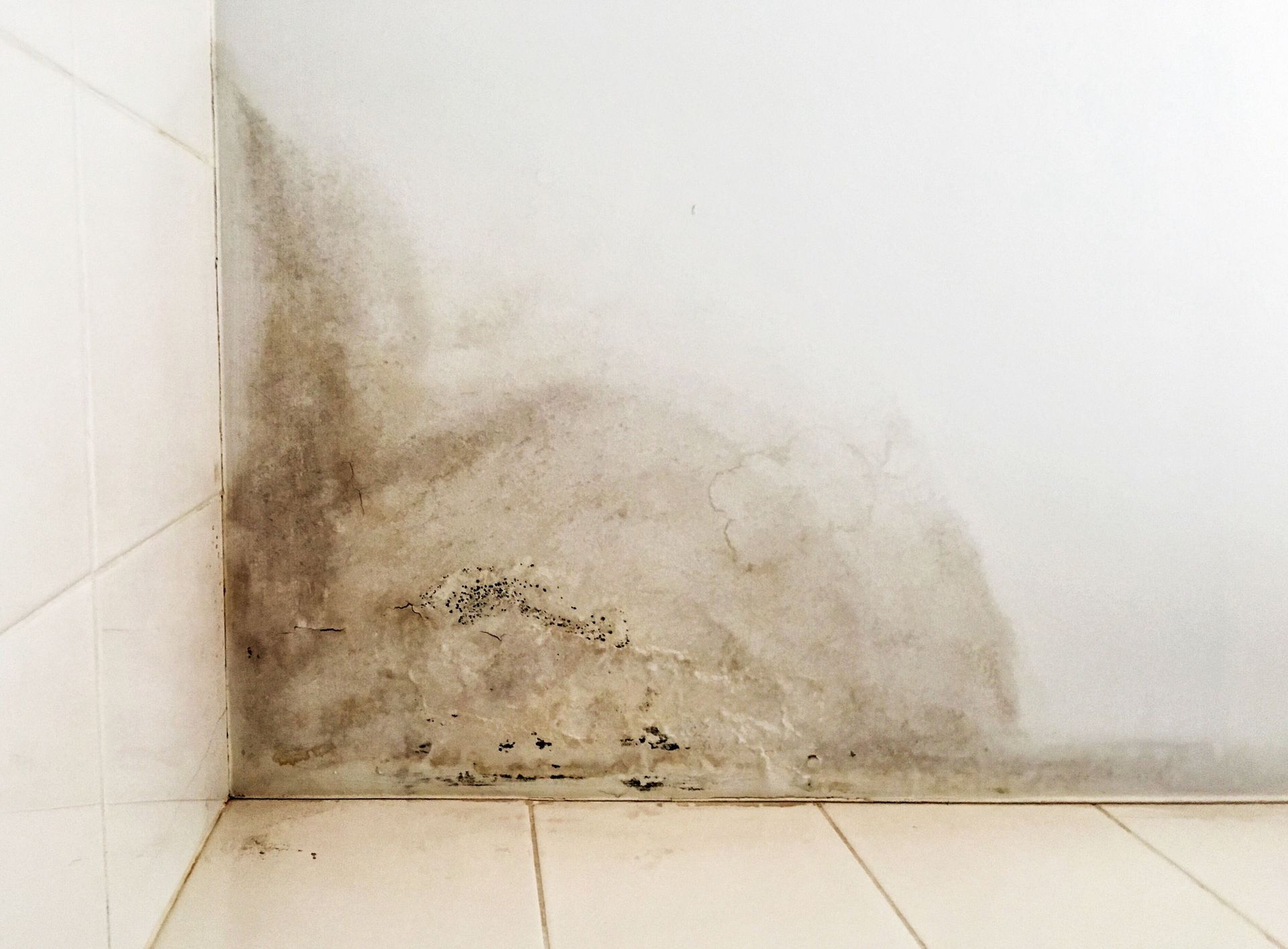
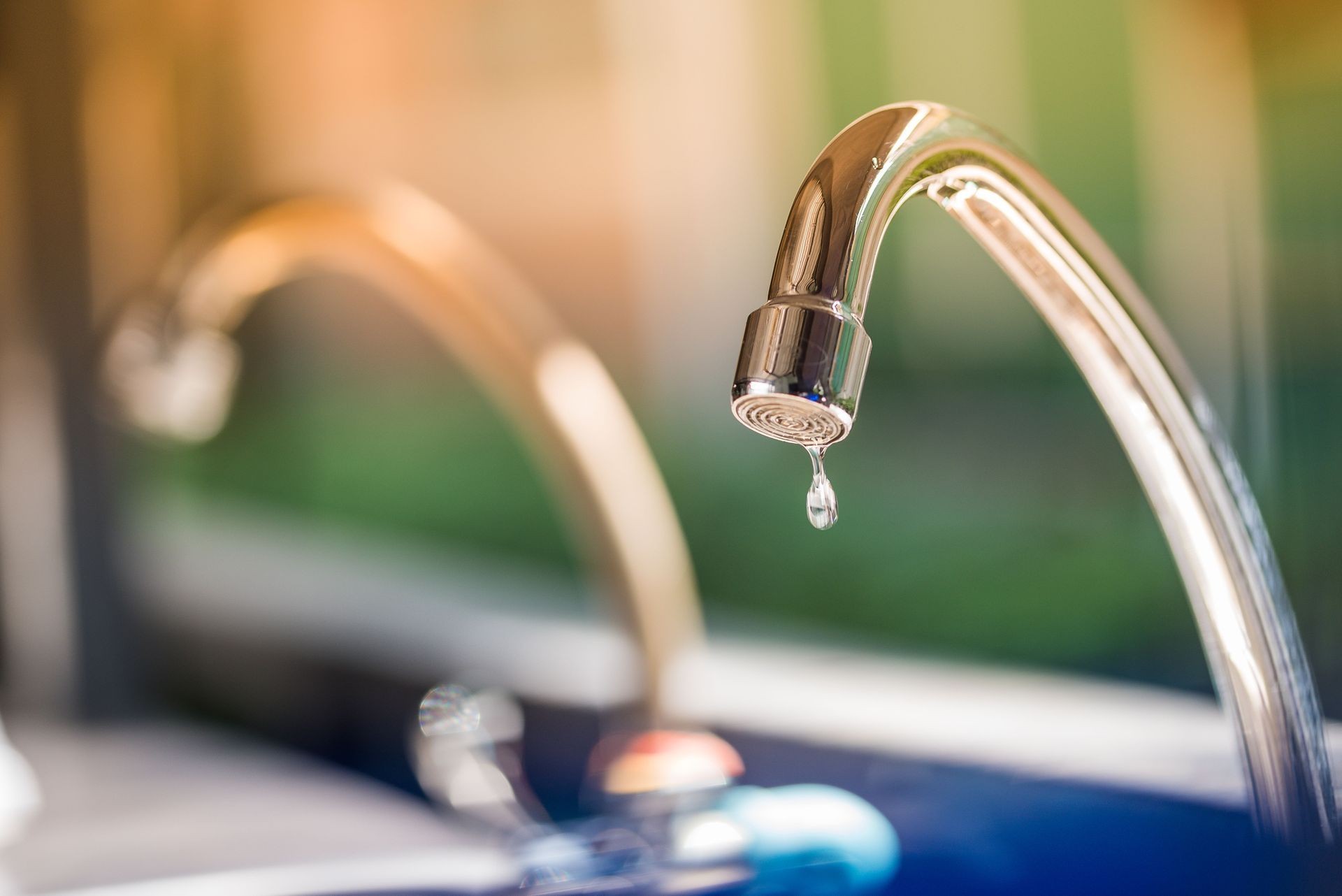
Dismissing a small puddle or a slow, persistent drip around the base of a household heating unit is a recipe for severe structural damage. Many property owners assume that a minor leak is merely an inconvenient nuisance that can be safely ignored. In reality, any unwanted moisture escape indicates a compromise in structural integrity.
Unaddressed moisture creates a perfect breeding ground for toxic mold, posing substantial health risks for everyone in the residence. According to the Environmental Protection Agency, resolving simple leaks around the house can lower a homeowner's water expenses by approximately 10%. Taking immediate action to fix these failures protects your property while lowering your monthly overhead.
Implementing temporary patchwork solutions, like applying waterproof tape or localized sealants, rarely resolves the underlying cause of a leak. Engaging an expert technician for a proper water heater repair ensures a comprehensive evaluation that targets the root mechanical failure. Promptly investing in permanent interventions shields your home infrastructure from severe degradation.
5. Monitor Protective Anode Rods
Overlooking the condition of the internal sacrificial anode rod is a critical mistake that dooms a standard metal storage tank to early destruction. This specialized metallic component is explicitly designed to attract the aggressive, corrosive elements present in water supplies. The rod sacrifices itself over time to preserve the broader structural integrity of the tank.
When this protective component becomes fully depleted, corrosive elements immediately begin attacking the main tank lining, causing irreversible damage. Homeowners can detect a failing defensive rod by watching for telling clues, such as a distinct metallic taste in the water supply. Regularly inspecting this component allows proactive individuals to anticipate replacement needs early.
Replacing a worn sacrificial rod is a straightforward preventative measure that can be seamlessly incorporated into an ongoing maintenance strategy. The process involves safely unscrewing the degraded component from the top of the appliance housing and inserting a fresh replacement. Actively managing this simple component bolsters the long-term durability of your appliance configuration.
6. Flush Tank Sediment Regularly
Neglecting to clear out accumulated mineral sediment from the base of a storage tank severely undermines heating performance and drives up home operating costs. Over time, naturally occurring minerals carried by the water supply settle at the bottom of the chamber. This material gradually solidifies into a dense crust that insulates the water above.
This prolonged operation subjects the appliance to intense, localized overheating, which rapidly degrades the metal casing and induces structural fractures. Homeowners can hear this accumulation, which manifests as distinctive popping or rumbling noises echoing from the utility closet. Ignoring these audible warning signs invites severe operational inefficiencies and shortens active equipment lifespans.
Performing a complete system flush is an essential practice that clears out these destructive mineral deposits and restores optimal heat transfer. This process requires turning off the power supply, connecting a drainage hose, and safely directing the accumulated debris away. Executing this procedure at regular intervals reduces the frequency of emergency water heater repair calls.
Avoiding expensive operational blunders requires a combination of basic appliance awareness, consistent preventative care, and a clear understanding of when to call in certified assistance. By remaining vigilant against routine neglect, managing thermostat levels, and flushing out mineral accumulation, you actively secure your plumbing infrastructure. Making these smart choices prevents you from needing emergency water heater repair services down the road.
Proactive home management eliminates the stress of unexpected breakdowns and sudden financial outlays. When you invest time into understanding the unique mechanical needs of your domestic appliances, you ensure your long-term comfort. If you discover an issue that requires specialized technical intervention, reach out to us for our premium water heater repair solutions at Jim England Plumbing.
Share On: