
7 Hidden Plumbing Issues a Plumber Can Spot
Plumbing problems do not always begin with a burst pipe or flooded floor. Many issues develop quietly behind walls, beneath floors, or underground, making them difficult to notice until they become more serious. Routine inspections can help catch these problems before they lead to costly repairs.
An experienced plumber knows how to recognize subtle warning signs, such as changes in water pressure, unusual sounds, or unexplained stains. Identifying these hidden issues early helps homeowners protect their property and avoid unnecessary expenses.
1. Detecting Hidden Pipe Leaks
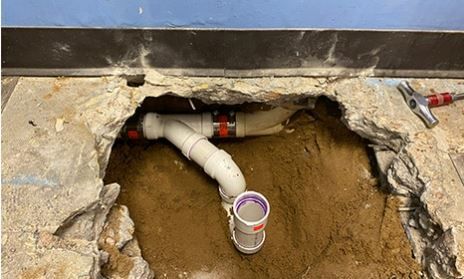
One of the most common problems a plumber discovers is a hidden pipe leak. These leaks often develop inside walls, beneath flooring, or under concrete slabs, allowing water to escape for weeks or even months before anyone notices. While the damage may remain out of sight, it continues to affect building materials and increase monthly water bills.
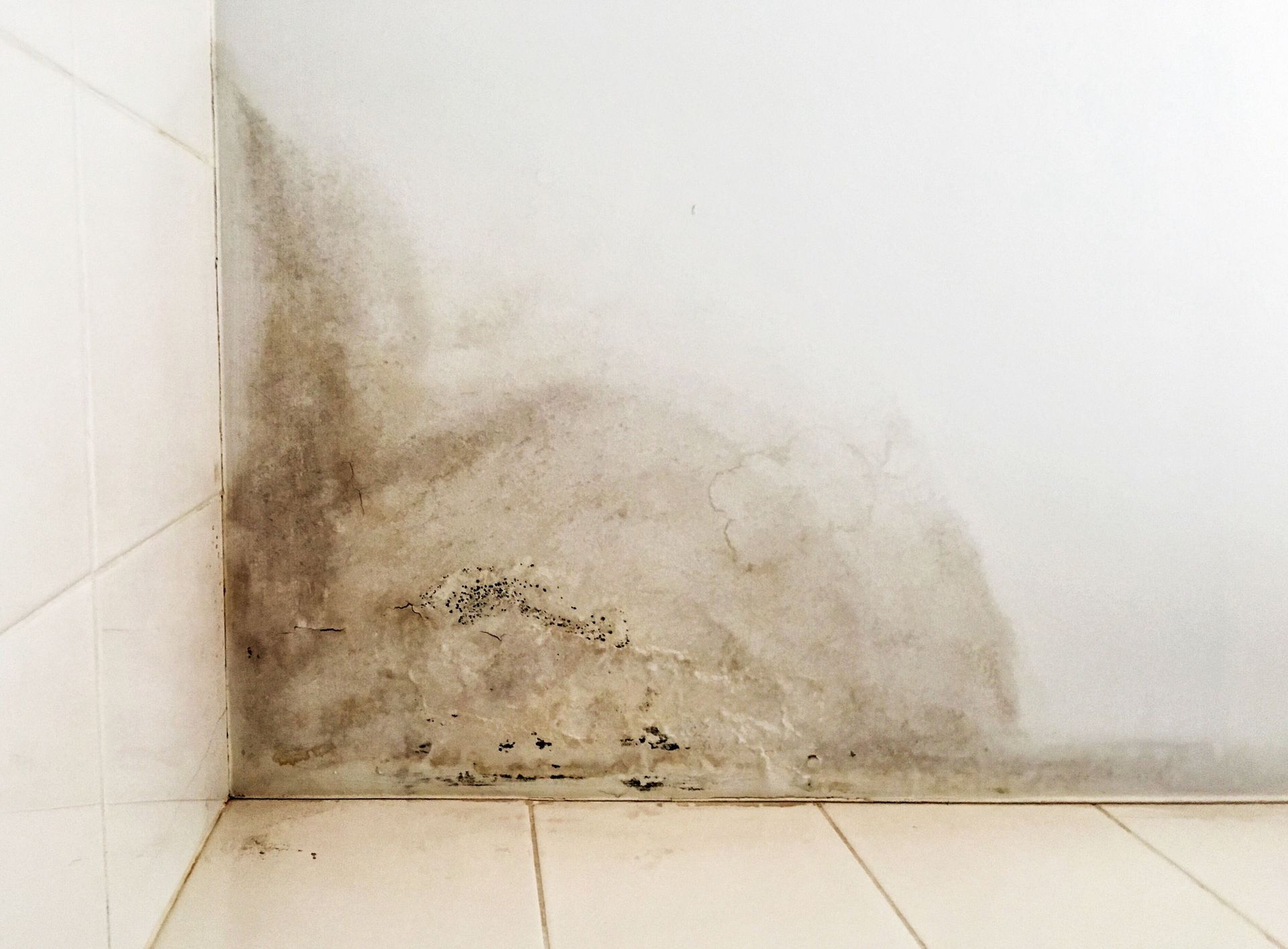
A hidden leak may first reveal itself through peeling paint, warped flooring, musty odors, or damp spots that never seem to dry. Some homeowners also notice a gradual drop in water pressure or hear running water when every fixture is turned off. These subtle clues are easy to overlook, especially when daily routines remain unchanged.
Professional inspections help locate the source without unnecessary demolition. Modern leak detection equipment can identify moisture and pinpoint the affected area with remarkable accuracy, allowing repairs to be completed before mold growth, wood rot, or structural damage becomes much more expensive to fix.
2. Identifying Slow Drainage
A slow drain may seem like nothing more than an inconvenience, but it often signals a developing blockage deeper within the plumbing system. Kitchen sinks, bathroom drains, and tubs gradually collect grease, soap residue, hair, food particles, and mineral deposits that restrict water flow over time. Left untreated, these partial clogs can eventually become complete blockages.
Instead of relying on temporary chemical cleaners, a plumber examines what is actually causing the restriction. In some cases, the issue is limited to one fixture, while other situations involve larger drainage lines that require specialized equipment to inspect and clean properly. Identifying the true cause prevents recurring problems.
Paying attention to drainage speed also helps protect other parts of the plumbing system. Standing water places additional strain on pipes and creates unpleasant odors that reduce comfort inside the home. Addressing the issue early helps restore normal performance while avoiding more extensive repairs later.
3. Discovering Water Waste
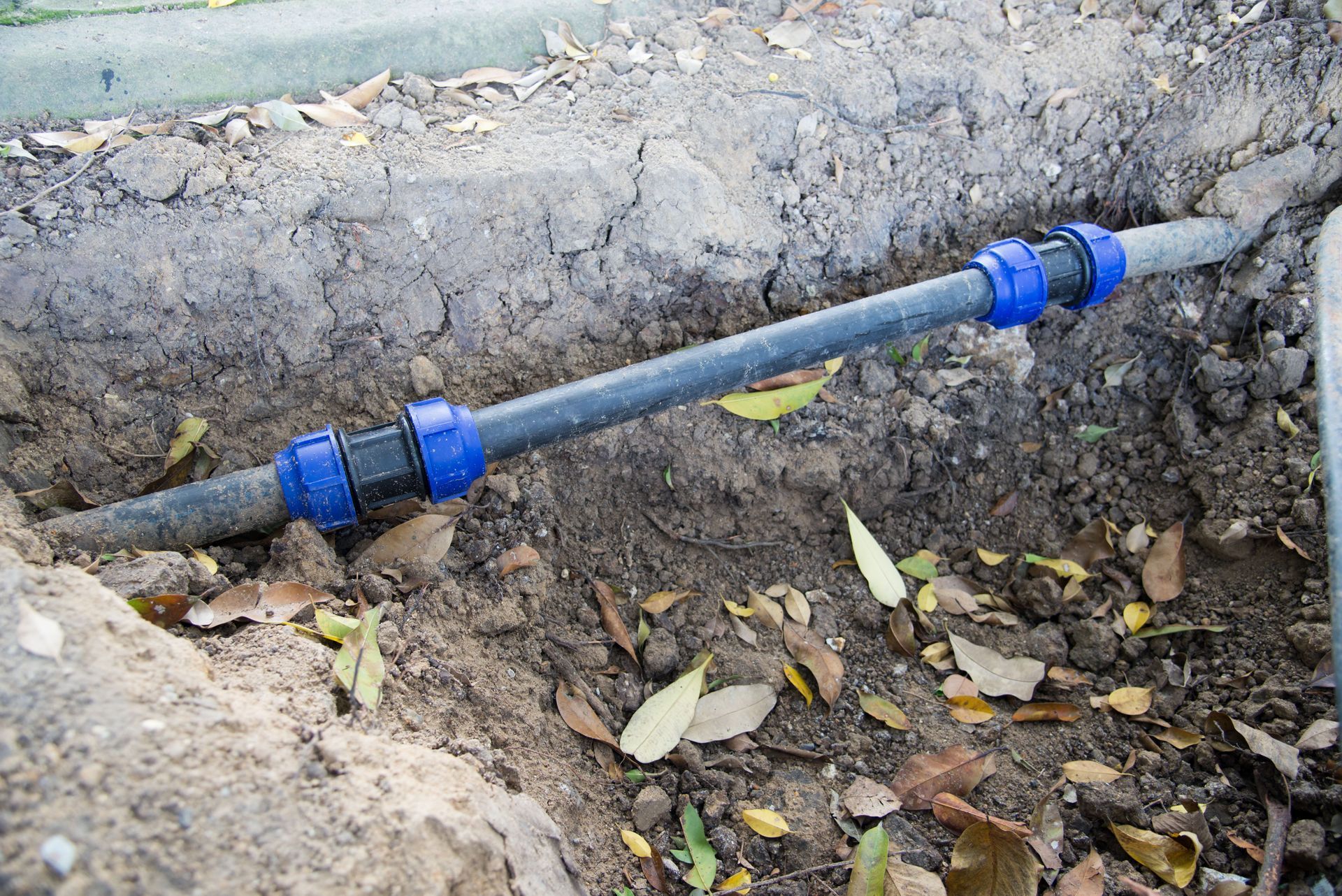
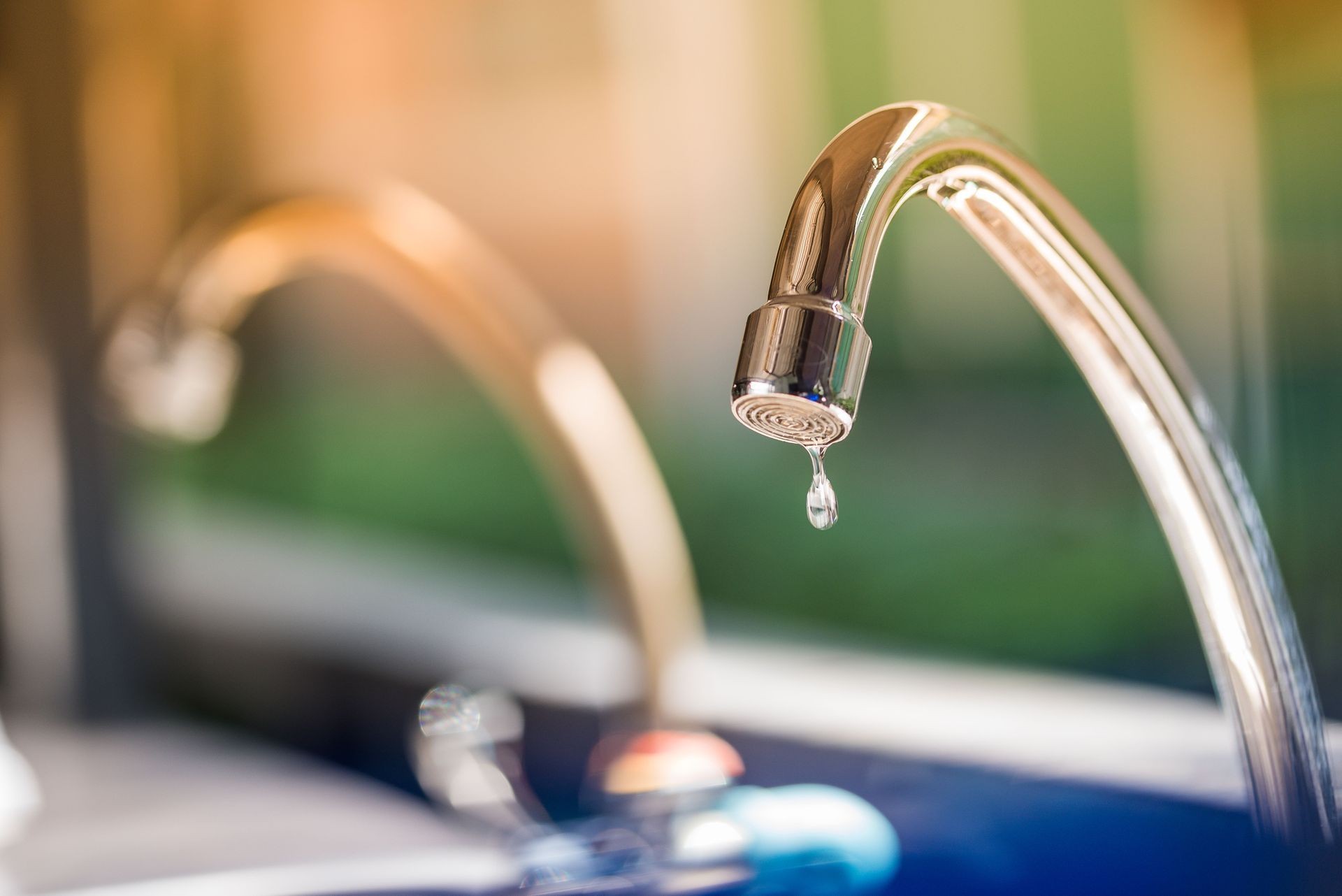
Not every plumbing issue causes visible damage. Some simply waste water little by little until the effects become noticeable on a utility bill. Outdoor plumbing, irrigation systems, and underground supply lines are especially vulnerable because leaks can remain hidden beneath landscaping for long periods.
According to the U.S. Environmental Protection Agency (EPA), even an irrigation leak measuring only about one thirty-second of an inch can waste roughly 6,300 gallons of water in a single month. That finding highlights how even very small leaks can lead to significant water loss if they are not repaired promptly. Regular inspections help identify these hidden sources of waste before they affect both water conservation and household expenses.
Homeowners sometimes assume higher water bills are caused by seasonal changes or increased household activity. However, comparing monthly usage can reveal unusual spikes that deserve further investigation. Catching these leaks early saves money while helping preserve valuable water resources.
4. Inspecting Foundation Threats
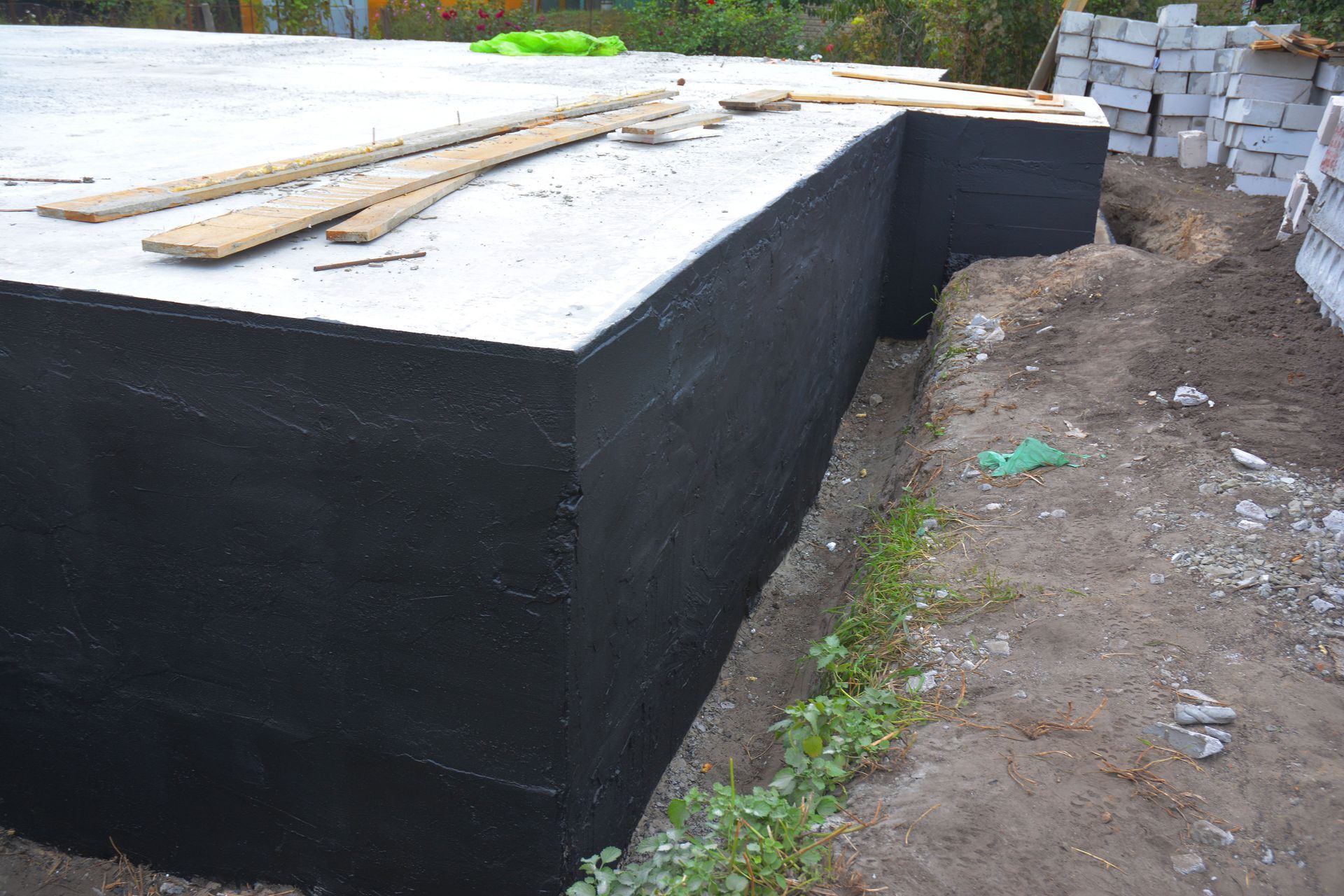
Leaks beneath a home's foundation often go unnoticed because there are no obvious puddles or dripping pipes to attract attention. Instead, escaping water slowly changes the moisture content of the surrounding soil, which may eventually cause shifting, settling, or cracking. These changes can affect the stability of the structure over time.
Signs of foundation-related plumbing problems may include uneven flooring, cracks around doors or windows, or doors that suddenly become difficult to open and close. While these symptoms may appear unrelated to plumbing, they can sometimes indicate an underground leak that requires professional evaluation. Finding the cause early helps prevent further structural movement.
Routine inspections provide peace of mind because they allow potential concerns to be addressed before they become major repair projects. A knowledgeable plumber can determine whether plumbing is contributing to foundation movement and recommend appropriate solutions that protect both the home's structure and its plumbing system.
5. Recognizing Corroding Pipes
Pipes naturally experience wear over time, especially in older homes where plumbing materials have been exposed to changing water conditions for decades. Corrosion often develops gradually inside the pipes, making it difficult to recognize until water quality or pressure begins to change. By the time visible signs appear, the damage may already be affecting multiple sections of the plumbing system.
Discolored water, metallic-tasting water, recurring leaks, or reduced water flow can all point to corrosion. These warning signs should not be ignored because weakened pipes are more likely to crack or fail unexpectedly. Replacing or repairing affected sections before they burst helps avoid costly emergency repairs and water damage.
Routine inspections allow a plumber to evaluate the condition of aging pipes and recommend practical solutions based on their remaining lifespan. Addressing corrosion early improves water quality, supports consistent water pressure, and extends the overall reliability of the plumbing system.
6. Locating Sewer Line Problems
Sewer line issues are among the most serious hidden plumbing problems because they often develop underground where homeowners cannot see them. Tree roots, shifting soil, grease buildup, and deteriorating pipes can all restrict wastewater flow without immediately causing a complete backup. The warning signs usually appear gradually before becoming a much larger problem.
Slow drains throughout the house, recurring toilet backups, unpleasant odors, or gurgling sounds from multiple fixtures may all indicate a sewer line issue. Because these symptoms affect several plumbing fixtures instead of just one, they often point to a problem deeper within the drainage system rather than a simple clog.
Professional camera inspections make it possible to identify the exact location and cause of the blockage without unnecessary digging. This approach allows repairs to be planned more accurately while minimizing disruption to the property. Early detection also reduces the likelihood of sewage backups that can damage floors, walls, and personal belongings.
7. Preventing Future Plumbing Problems
The best way to avoid hidden plumbing issues is through consistent maintenance instead of waiting until something fails. Many homeowners only call for service after experiencing a leak or backup, but preventive inspections often uncover small concerns before they become emergencies. A little attention today can prevent major expenses tomorrow.
Simple habits such as monitoring water bills, paying attention to changes in water pressure, avoiding grease down kitchen drains, and scheduling periodic inspections all contribute to a healthier plumbing system. While homeowners can watch for obvious warning signs, some problems remain hidden without specialized equipment and professional experience.
Working with a qualified plumber provides confidence that the entire plumbing system is being evaluated rather than just the visible fixtures. Regular inspections help extend the life of pipes, improve efficiency, reduce water waste, and protect the home's long-term value.
Plumbing systems work quietly every day, making it easy to forget how much they contribute to a comfortable home. Unfortunately, hidden leaks, corrosion, drainage issues, and underground pipe problems can develop long before they become noticeable. Recognizing these warning signs and acting early helps homeowners avoid unnecessary stress, expensive repairs, and preventable water damage.
Regular maintenance is one of the smartest investments you can make for your home because it allows small issues to be corrected before they grow into larger ones. Whether your plumbing system is brand new or several decades old, routine inspections by a plumber help ensure everything continues operating safely and efficiently. If you want experienced professionals to identify hidden plumbing issues before they become costly repairs, contact Jim England Plumbing today.
Share On: