
Common Household Leaks Linked to Your Water Heater
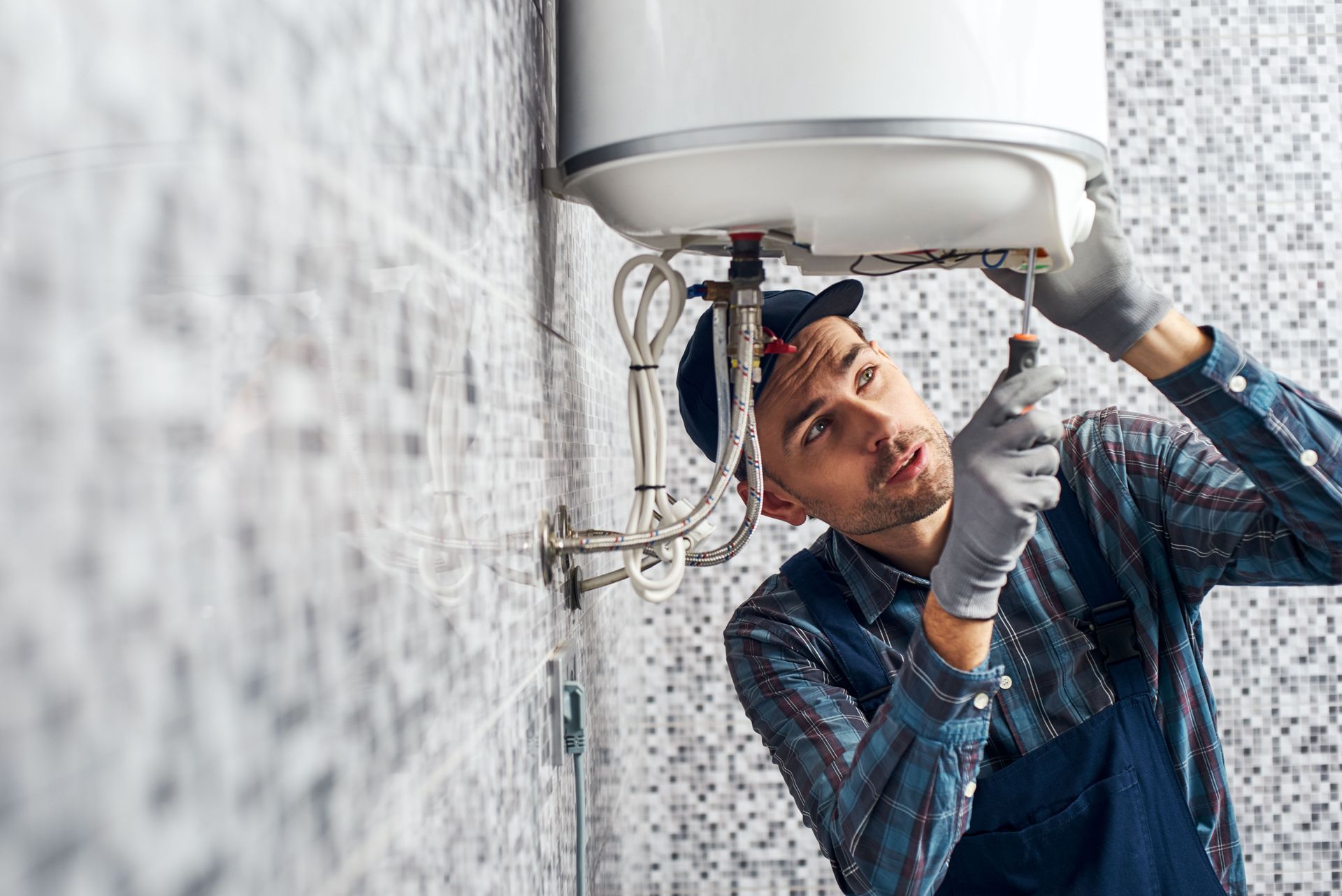
Water heaters are an essential component of modern households, providing the hot water needed for daily activities. However, they can also be the source of various leaks that can cause significant damage and increase utility bills if not addressed promptly. This article explores the most common household leaks associated with water heaters and provides insights into identification, prevention, and maintenance. With careful attention and regular maintenance, the lifespan of your water heater can be extended, and potential issues condensed to a minimum. According to the United States Environmental Protection Agency, household leaks can waste nearly 1 trillion gallons of water annually nationwide, highlighting the significance of identifying and fixing leaks early.
1. Tank Leaks
A. Causes of Tank Leaks
Sediment buildup is a common culprit when it comes to tank leaks. As minerals in the water accumulate, they settle at the bottom of the water heater tank, causing corrosion over time. Corrosion weakens the tank material until it eventually leaks. Additionally, pressure issues arise when the pressure relief valve fails, leading to excess pressure in the tank and resulting in leaks. Understanding these causes is vital, as it allows homeowners to implement preventative measures that can mitigate these risks.
B. Identifying Tank Leaks
Identifying leaks early can prevent extensive damage to property. A clear sign of a tank leak is water pooling beneath the heater. Rust marks on the exterior of the tank indicate corrosion and possible leaks. Unusual noises, such as popping or rumbling, may suggest sediment buildup inside the tank. Regular inspections can help detect these signs early, allowing for timely interventions before problems escalate.
C. Preventing Tank Leaks
Regular maintenance is essential to prevent tank leaks. Flushing the water heater annually can remove sediment deposits and prolong the tank's life. Checking the anode rod every two years is advisable, as it plays a critical role in preventing corrosion inside the tank. By replacing the anode rod when necessary, homeowners can safeguard their water heater against premature deterioration. These preventative actions help maintain the efficiency and effectiveness of the water heater, reducing the risk of costly repairs or replacements.
D. Repair Options for Tank Leaks
When dealing with tank leaks, homeowners often face the decision between repair and replacement. If the leak is minor and localized, repairs may be feasible and cost-effective. This might involve patching small holes or replacing damaged valves. However, in cases where the tank is severely corroded, replacement may be the only viable option. Understanding when to repair and when to replace is crucial in managing long-term expenses and ensuring safety.
E. Impact of Tank Leaks
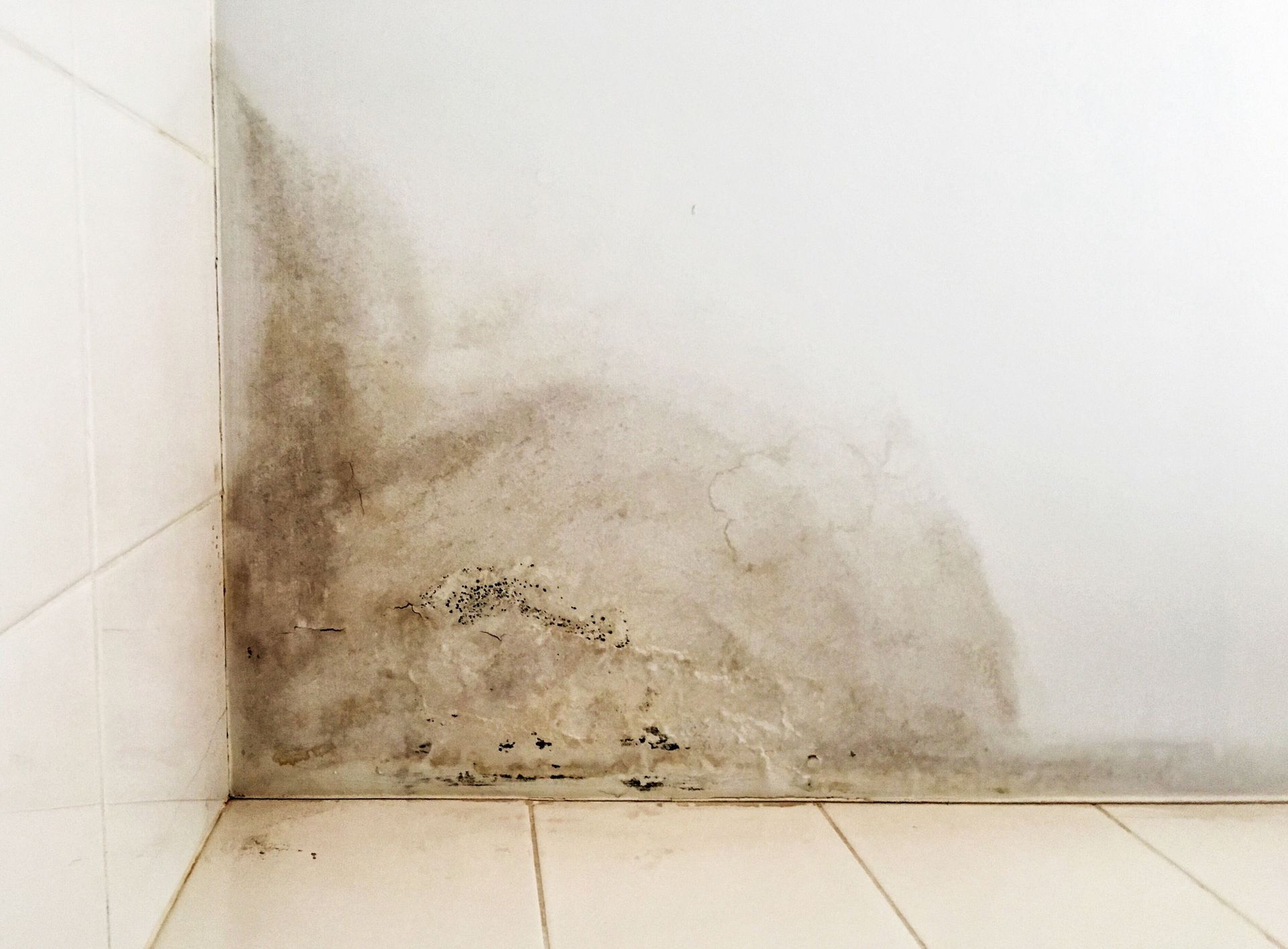
Continuous leaks from the water heater tank can cause significant property damage. Water damage can affect flooring, walls, and neighboring appliances, leading to expensive repair bills. The constant presence of moisture can also lead to mold growth, posing health risks to occupants. If not addressed promptly, tank leaks may also contribute to increased water bills and reduced energy efficiency. These factors highlight the importance of vigilance and timely maintenance for water heaters.
2. Pipe Leaks
A. Common Locations for Pipe Leaks
Pipe leaks associated with water heaters often occur at connections to the heater. Common leak-prone areas include joints and fittings where water transfers in and out of the heater. Corrosion or loose fittings can lead to leaks in these locations. Inspecting these areas regularly for signs of moisture can help detect problems before they worsen. Understanding the common locations of pipe leaks allows homeowners to target key areas during maintenance checks.
B. Preventative Measures for Pipe Leaks
Taking preventative measures can significantly reduce the risk of pipe leaks. Ensuring connections are tightly secured can prevent water from seeping through loose fittings. Using high-quality materials, such as durable pipes and fittings, can withstand wear and reduce the likelihood of leaks over time. Regular inspections and replacements of deteriorating components can also prevent leaks before they occur. These proactive steps, combined with periodic maintenance, ensure the integrity of the water heater's plumbing system.
C. Signs of Pipe Leaks
Detecting pipe leaks early is vital to prevent further damage. Water stains on walls or ceilings around the water heater can indicate leaks in the pipes. Wet or damp surfaces near the heater are also a strong sign of potential leakage. Unusual odors, often caused by mildew or mold growth, can accompany pipe leaks. Promptly addressing these signs can save homeowners from extensive repairs and higher water bills.
D. Repair Techniques for Pipe Leaks
There are several repair techniques available for addressing pipe leaks. For minor leaks at joints or fittings, tightening connections may suffice. In cases where pipes are cracked or damaged, replacement is often necessary. Soldering is a common technique for repairing copper pipes, while sealants can be used for smaller leaks. Understanding these repair techniques enables homeowners to tackle pipe leaks effectively and ensure their water heater system remains functional.
3. Valve Leaks
A. Types of Valves Prone to Leaks
Water heaters feature various valves that are prone to leaks. The temperature and pressure relief (T&P) valve plays a crucial role in preventing excessive pressure by releasing hot water. The drain valve, located at the bottom of the tank, is another common source of leaks. Faulty seals or corrosion at these valves can lead to water loss. Regular inspection and maintenance of these valves are vital to ensure their proper functioning and prevent leaks.
B. Symptoms of Valve Leaks
When valves leak, they often exhibit specific symptoms. Continuous drips around the valve area may indicate a leak. Unusual noises, such as hissing, can also be a sign that the valve is not functioning correctly. Pressure issues, such as overheating or insufficient hot water, may suggest a problem with the T&P valve. Recognizing these symptoms allows homeowners to address valve leaks before they cause further damage.
C. Causes of Valve Leaks
Several factors can contribute to valve leaks in water heaters. High water pressure within the system can strain valves, leading to leaks. Additionally, mineral buildup on the valve can cause corrosion and degrade seals over time. Faulty installation can also result in leaks, as improperly fitted valves are more likely to fail. Understanding the causes of valve leaks helps homeowners take proactive measures to prevent them from occurring.
D. Replacing Faulty Valves
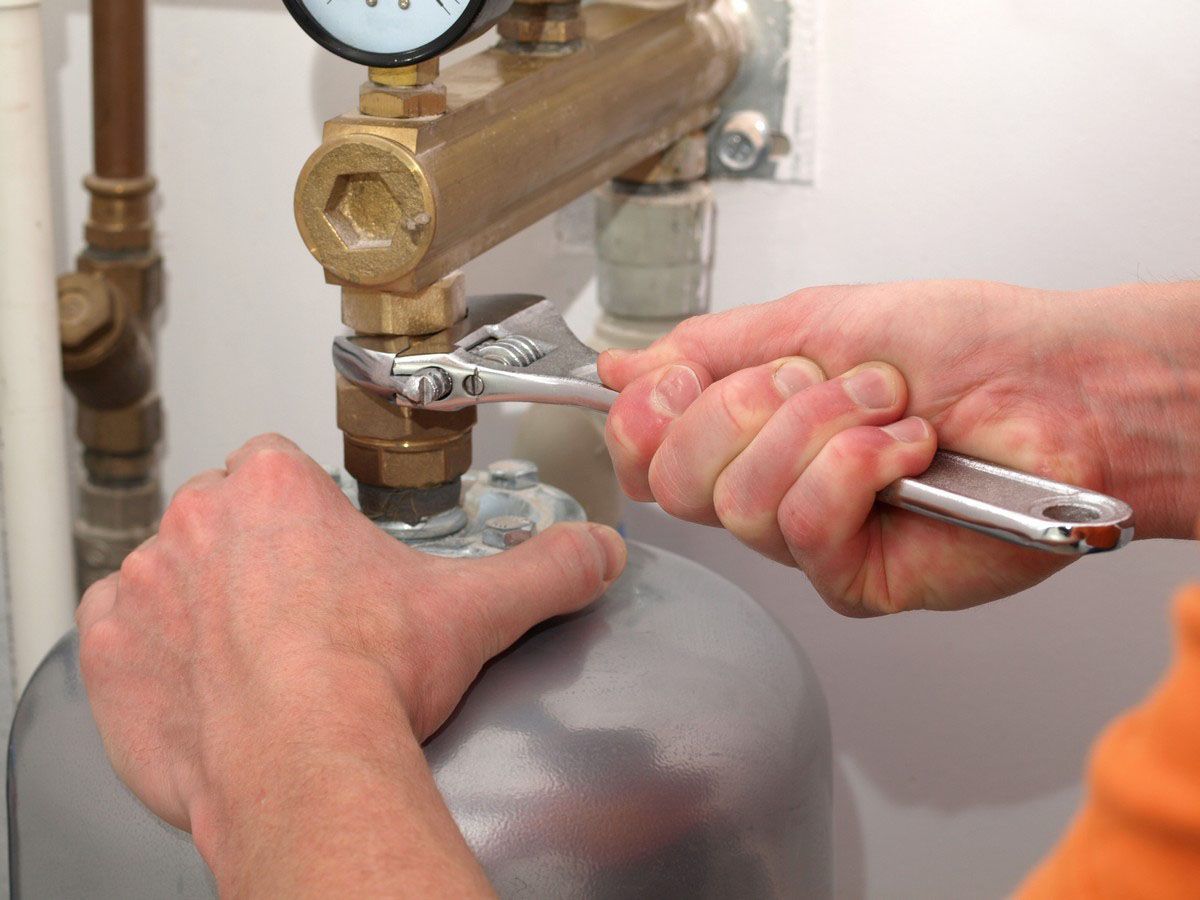
Replacing faulty valves is sometimes necessary to prevent leaks and ensure the water heater's efficient operation. Before replacing a valve, it is important to shut off the water and power supply to the unit. Carefully removing the old valve and installing a new one using the correct tools ensures a proper fit. Detailed instructions for each valve type can be found in the water heater manual. This process can often be carried out by a competent homeowner, although professional assistance may be needed for more complex cases.
E. Maintenance to Prevent Valve Leaks
Routine maintenance can help prevent future valve leaks. Periodically testing the T&P valve can confirm its responsiveness and ability to relieve pressure. Draining the tank to remove sediment is another preventative measure that protects valves from mineral buildup. Tightening loose valves and checking for signs of corrosion should be part of regular maintenance. By maintaining valve integrity, homeowners can extend the lifespan of their water heater and avoid unnecessary leaks.
Being vigilant about the various components of your water heater can save you from costly repairs and maintenance down the road. Water heaters, as seen, are more than just a convenience—they are integral to household function and comfort. By understanding the common types of leaks associated with water heaters, homeowners can take proactive steps to identify and address issues early, ensuring their water heating systems work efficiently and safely in the long term. Regular maintenance is key, targeting areas prone to leaks and addressing them before problems arise. Such diligence not only prolongs the life of the water heater but also promotes cost savings and environmental responsibility by minimizing water waste. Reach out to Jim England Plumbing today to see how we can help you!
Share On: