
How Slab Leak Detection Companies Help Reduce Long-Term Repair Costs
Water escaping from a pipe beneath a concrete foundation may go unnoticed until a utility bill rises or flooring begins to feel damp. Because the plumbing is hidden, finding the source can be more complicated than repairing a dripping faucet. Guessing at the location, however, can lead to unnecessary demolition and leave the underlying problem unresolved.
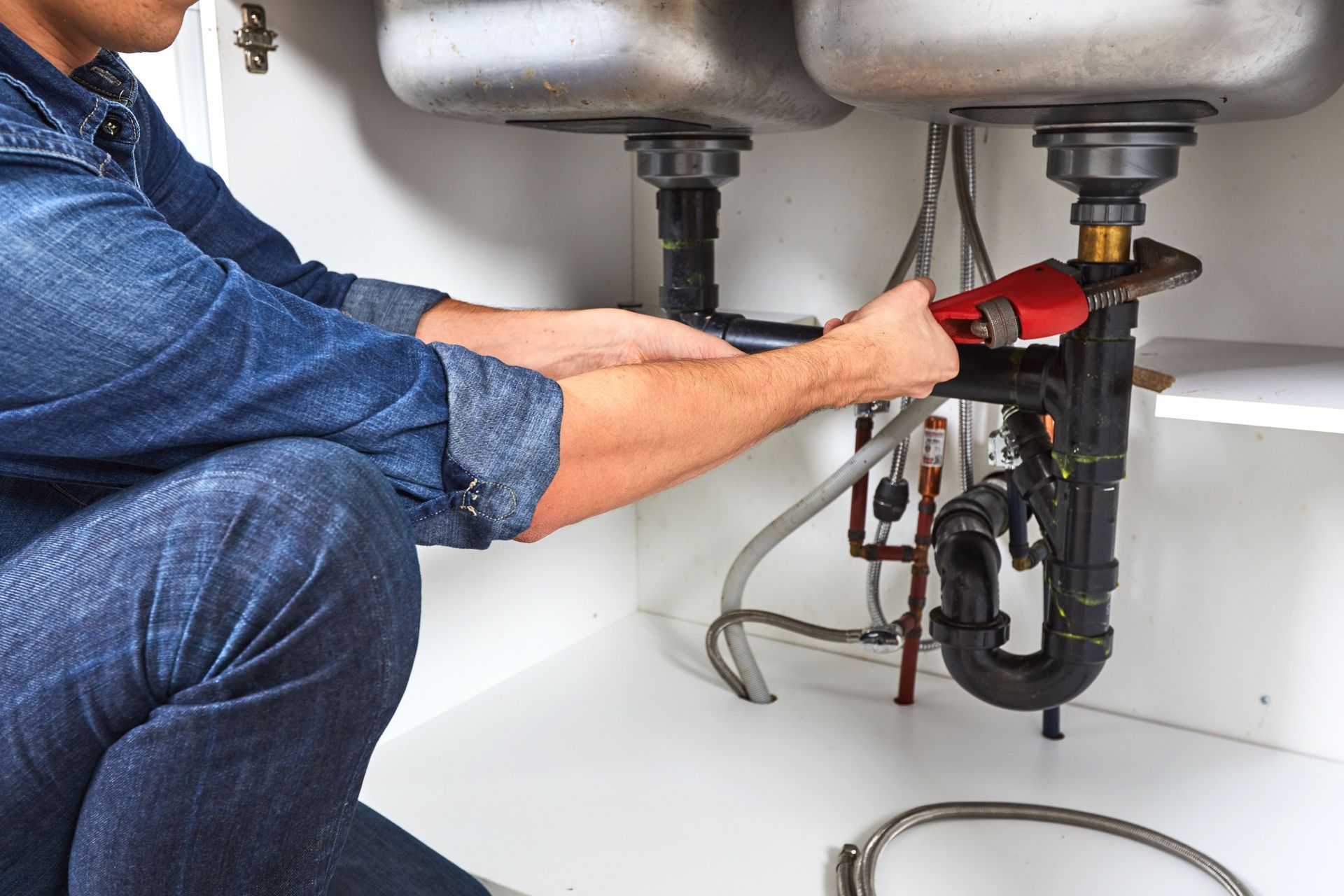
A qualified slab leak repair company can help determine whether the symptoms point to a buried pipe and which response makes sense. Understanding the warning signs, diagnostic process, and available repairs gives homeowners a better way to control costs.
Understand Why Hidden Leaks Become Expensive
A leak beneath a slab can waste water continuously, even when nobody is using a fixture. According to the EPA's earlier WaterSense materials, a typical household's leaks can account for more than 10,000 gallons of water wasted annually. That figure covers household leaks generally, not slab leaks alone, but it illustrates how losses can accumulate when a problem stays unnoticed.
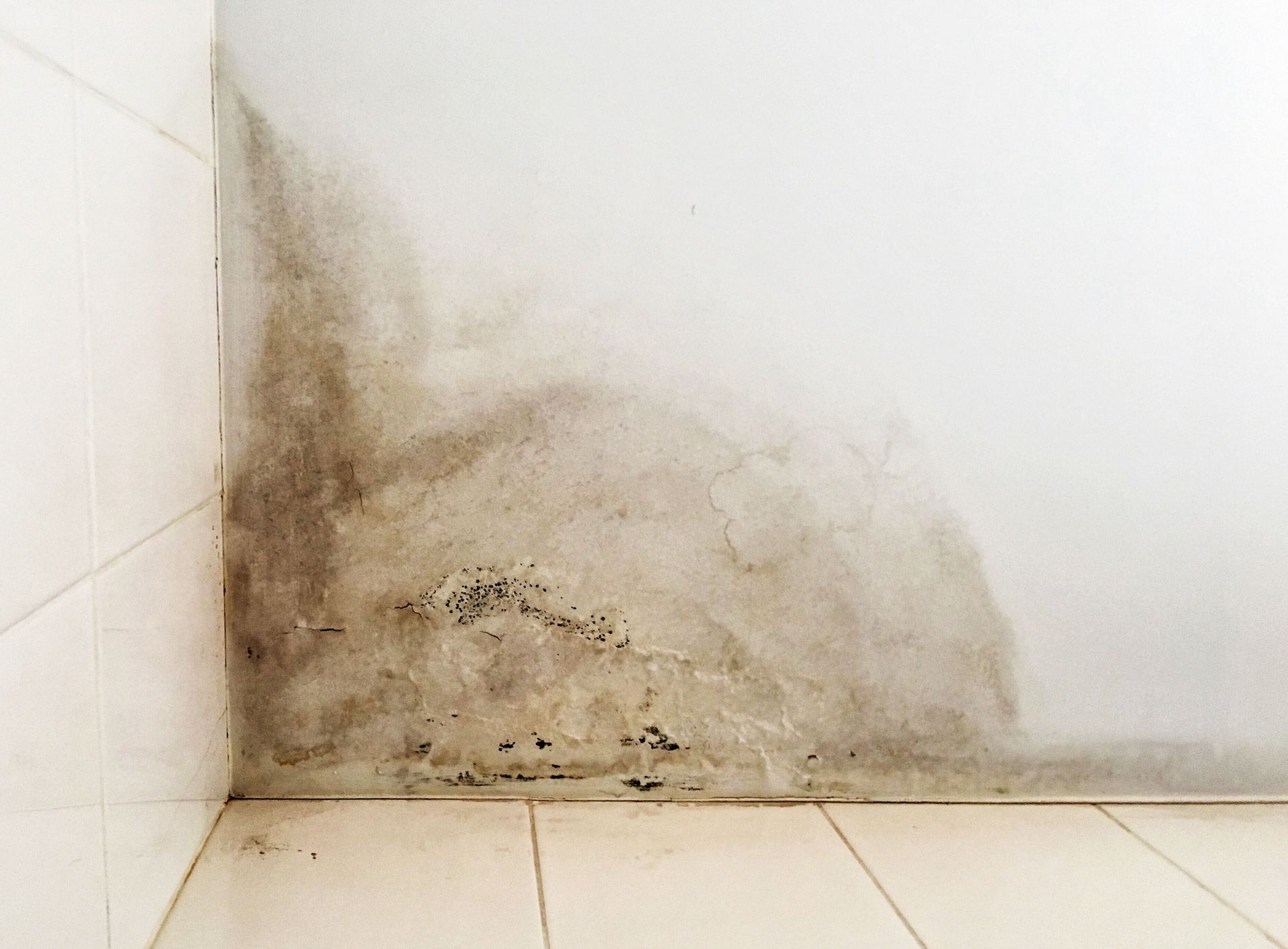
Moisture may also affect flooring, baseboards, or nearby materials, depending on the leak's location. Some leaks remain relatively contained; others contribute to damage that requires more than plumbing work. Identifying the issue promptly can limit unnecessary water use and help prevent a small repair from becoming a larger restoration project.
Recognize Changes That Deserve Investigation
An unexpected water-bill increase is a useful clue, particularly when household routines have not changed. Other possible signs include the sound of running water while fixtures are off, unexplained warm spots on floors, persistent moisture, or a noticeable drop in water pressure. None of these symptoms proves that a pipe beneath the foundation has failed.
A leaking toilet, an irrigation problem, condensation, or water entering from outdoors can produce similar concerns. Homeowners should note when symptoms began and whether they occur in one area or throughout the house. Sharing those observations with a slab leak repair company helps narrow the initial investigation without assuming the most disruptive explanation.
Separate Plumbing Problems From Other Moisture Sources
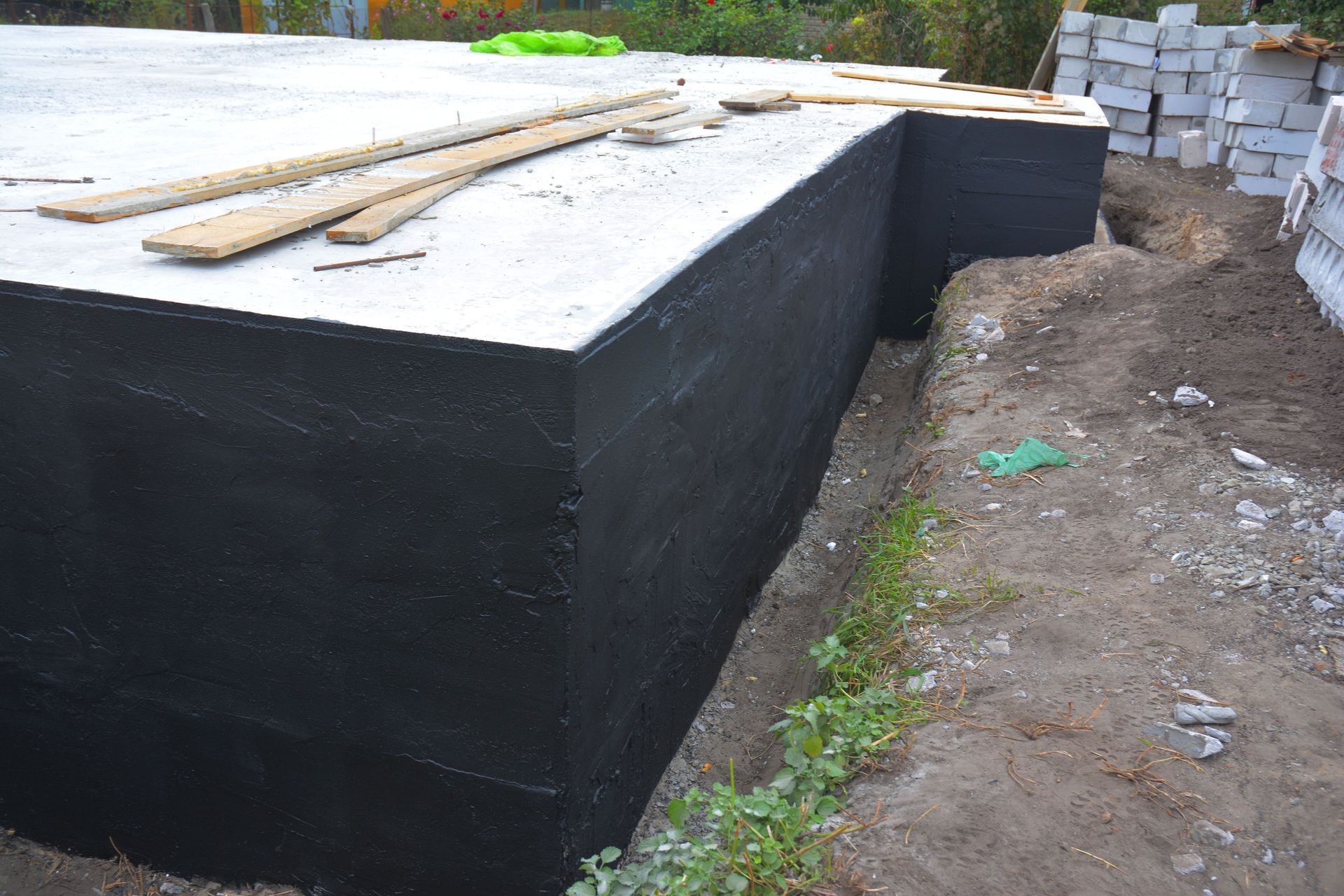
Water near the base of a wall may come from a supply pipe, but it can also enter through poor exterior drainage, a plumbing fixture, or a failed seal. Distinguishing these causes matters because repairing a buried pipe will not resolve a grading or waterproofing problem. Likewise, surface drying will not stop water escaping from a pressurized line.
A professional assessment considers meter readings, visible plumbing, site conditions, and the pattern of moisture. If cracks or movement suggest structural concerns, a qualified foundation specialist may also need to evaluate them. The objective is to establish what is actually happening before recommending work that affects flooring or concrete.
Use Diagnostic Testing Before Opening Floors
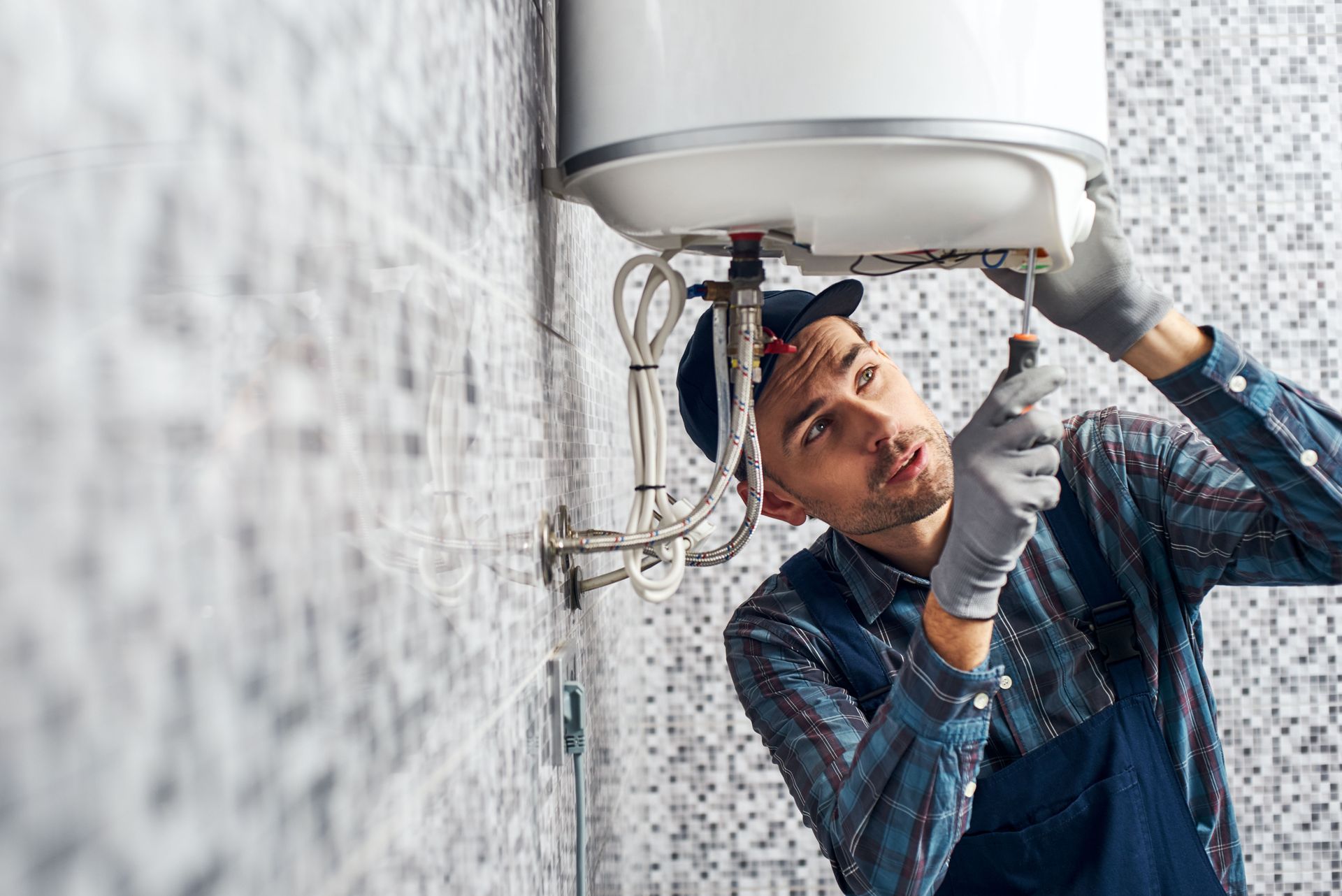
A plumber may begin by checking whether the water meter registers flow when all fixtures and water-using appliances are off. The result can indicate unwanted water use, although it does not identify the location by itself. Pressure testing or isolating plumbing branches can help distinguish a supply-line problem from other possibilities.
Depending on the piping and conditions, technicians may use acoustic listening equipment to detect escaping water or thermal imaging to investigate temperature differences. Neither method is infallible. A slab leak repair company should explain which tests support its diagnosis and what uncertainty remains. Targeted investigation can reduce needless cutting, but some access may still be required to confirm and correct the leak.
Compare Repair Methods Based on Pipe Condition
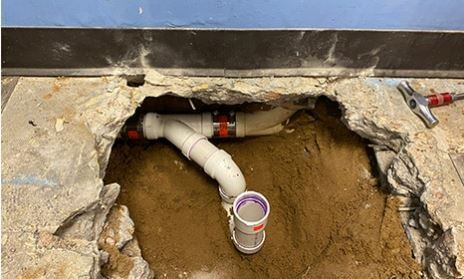
Once the damaged section is identified, the most appropriate repair depends on accessibility, pipe material, and the condition of the rest of the system. A localized repair may require opening a section of the slab to reach and replace the failed pipe. Another option may be to reroute a water line through an accessible area, avoiding the damaged underground segment.
If several sections show deterioration, broader repiping may deserve consideration instead of repeated spot repairs. Each approach affects flooring, walls, and labor differently. Ask a slab leak repair company to explain why its recommended method fits the diagnosed problem, not simply which method appears fastest at first glance.
Account for More Than the Initial Plumbing Bill
The quoted plumbing repair is only part of a home's potential expense. Depending on the location, additional work may involve removing and replacing flooring, restoring concrete, drying affected materials, or addressing moisture damage. A limited repair could therefore have a different overall cost than a rerouted line.
Before approving the project, request a written scope that separates detection, pipe repair, access, and restoration where possible. Ask what might change after the work area is opened. An early diagnosis does not guarantee inexpensive repairs, but clearer information can help prevent avoidable spending and repeated disruption.
Know Which Checks Are Safe to Do Yourself
Homeowners can review recent bills, look for visible leaks around toilets and appliances, and compare water-meter readings during a period when no water should be running. Follow utility guidance when accessing a meter, and remember that automatic irrigation or appliances can affect the result. These checks can support a service call without confirming an under-slab failure.
Do not cut flooring, break concrete, or attempt to open a pressurized line to search for a suspected leak. Such work can damage utilities or complicate repairs. When evidence points to concealed plumbing, a slab leak repair company with appropriate licensing and diagnostic experience is a safer next step.
Review Qualifications and Written Recommendations
Before hiring, confirm that the contractor holds the credentials required for plumbing work in the local jurisdiction and carries appropriate insurance. Ask about experience with the home's pipe material and foundation type. References and clear explanations are useful, but impressive equipment alone does not establish that a diagnosis is correct.
Compare estimates by scope rather than by a single total. One proposal may include testing and final verification, while another leaves restoration or cleanup to a separate contractor. Request an explanation of warranties, exclusions, and how the repair will be tested before the area is closed. Good documentation makes future maintenance easier to manage.
Confirm Performance After the Repair
Once work is finished, the plumber should verify that the repaired or rerouted line operates properly and that the suspected leak has stopped. Homeowners can then monitor water use, check affected areas for returning moisture, and keep copies of test results and repair records. Drying or replacing damaged finishes may still be necessary after the plumbing is sound.
Future leaks cannot always be prevented, particularly in aging systems, but prompt attention to pressure changes, unexpected bills, and visible moisture can shorten the time a new problem goes unnoticed. If a leak recurs, share the previous records with the contractor rather than assuming the same section has failed.
Make Repair Decisions With the Full Property in Mind
A suspected slab leak calls for careful diagnosis before disruptive work begins. Confirming the source, evaluating pipe condition, and comparing complete repair scopes can help homeowners protect their living space and avoid paying for the wrong solution. A qualified
slab leak repair company should make those trade-offs understandable and explain what happens after the pipe is repaired.
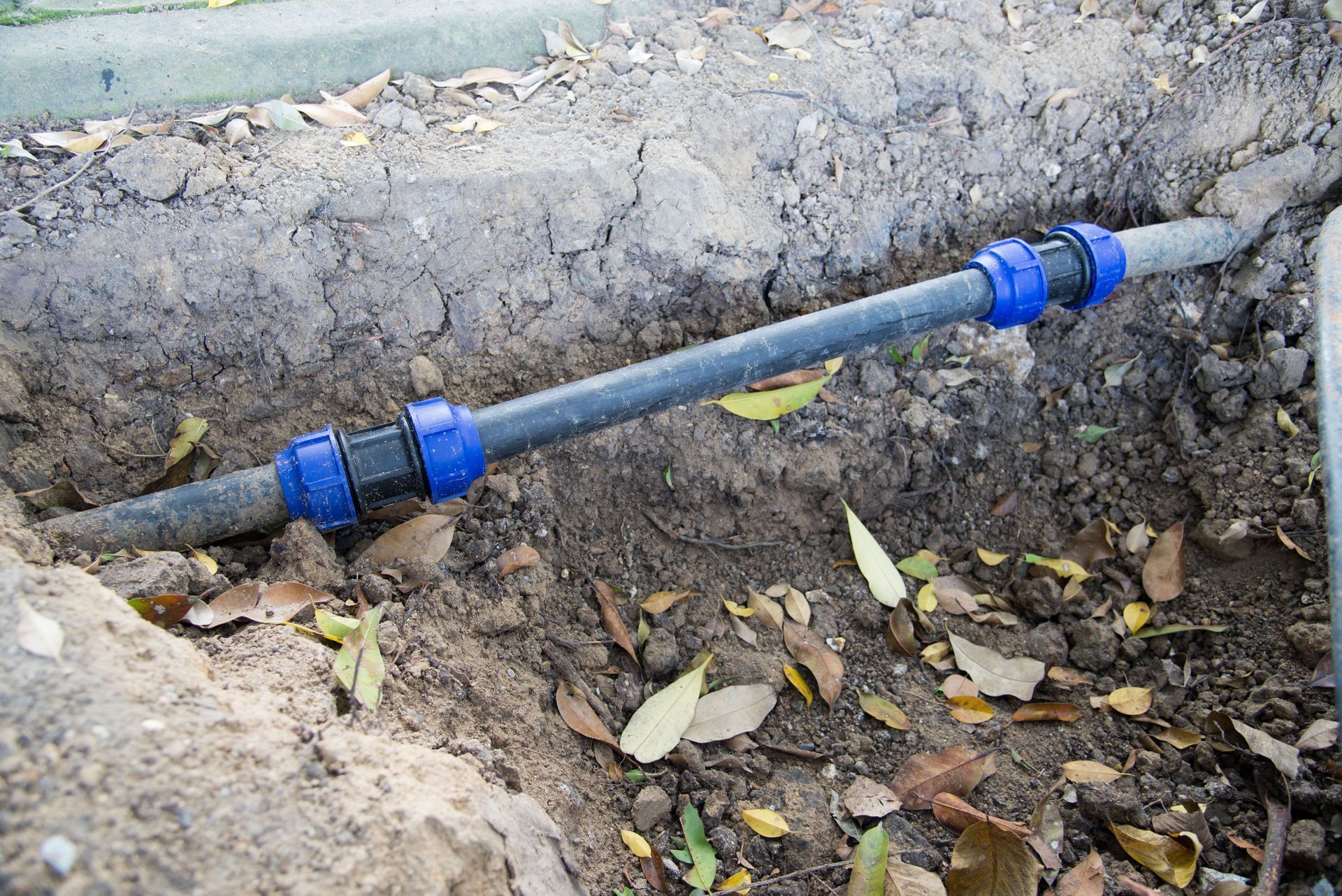
For outdoor grading, site preparation, or related landscape concerns in Fairfield County, Stony Hill Landscaping offers landscaping and excavation services. Those services are separate from under-slab plumbing repairs. Homeowners who suspect a buried water-line leak should contact a qualified plumbing contractor to assess the line and recommend appropriate repairs.
Share On: