6 Reasons Water Heater Repair Should Never Be Delayed
A reliable water heater supports many everyday household activities, including bathing, cleaning, and washing dishes. When problems develop, homeowners may notice inconsistent temperatures, unusual noises, or unexpected leaks. These symptoms can seem manageable initially, but postponing professional attention may allow minor equipment problems to become more disruptive. Early attention also helps homeowners avoid unnecessary inconvenience when multiple household members depend on consistent hot water.
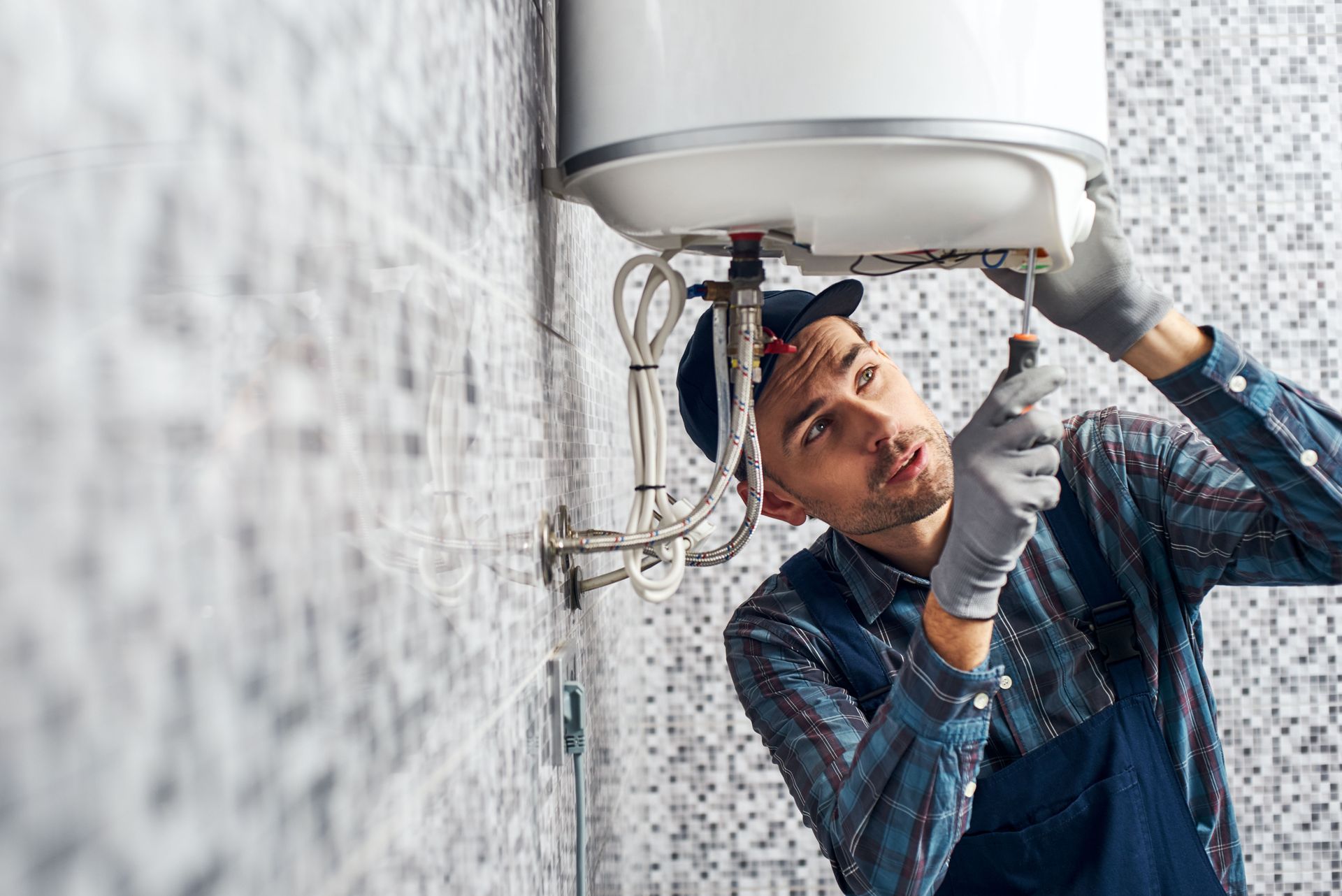
Timely water heater repair helps homeowners address performance concerns before they interfere with daily routines. Professional plumbers can identify the source of a problem and determine whether servicing, repairs, or replacement is appropriate. Here are six reasons water heater problems deserve prompt attention.
1. Preventing Unexpected Water Damage
Reducing Tank Leakage Risks
Water collecting beneath a heater may indicate a loose connection, damaged component, or deteriorating tank. Even small leaks deserve investigation because moisture can spread into surrounding materials. A professional inspection helps identify the source and determine whether the equipment can be repaired.
Reducing Flooring Damage Risks
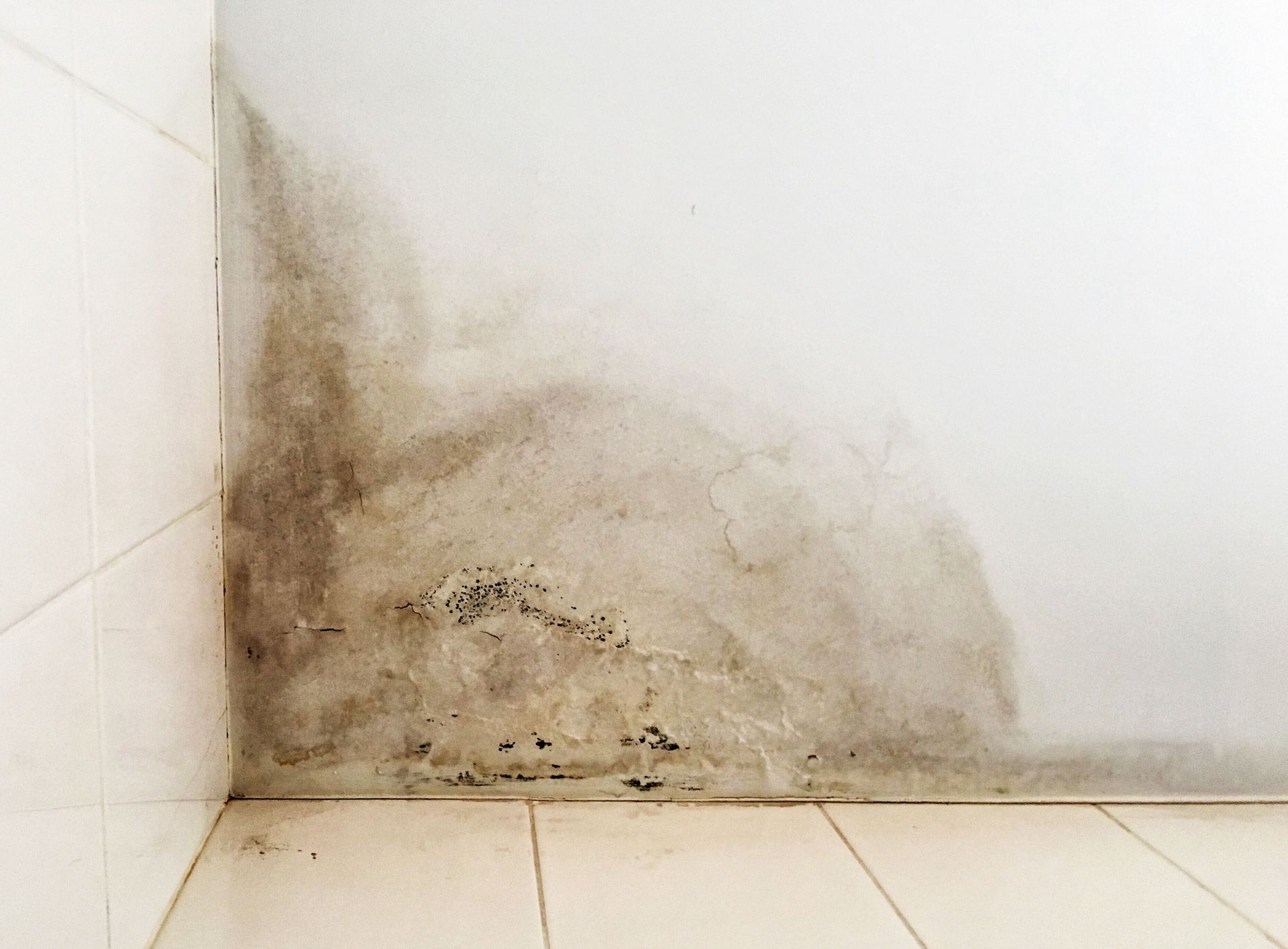
Persistent moisture can damage nearby flooring, baseboards, and other finished surfaces. Some materials absorb water before visible deterioration appears. Addressing leaks promptly helps limit exposure and reduces the possibility of additional restoration work.
Reducing Hidden Moisture Risks
Water may travel beneath appliances or into concealed building cavities. Dampness in these areas can remain unnoticed while affecting nearby materials. Professional plumbing evaluations help locate leaks and identify conditions that require further attention.
Reducing Property Restoration Risks
Unresolved water heater leaks may eventually affect multiple areas of a home. Timely water heater repair can address certain plumbing failures before they cause additional damage. However, a leaking tank itself may require replacement rather than a conventional repair.
2. Preventing Higher Energy Expenses
Addressing Inefficient Heating Performance
A struggling water heater may operate longer than expected to maintain the desired temperature. Mechanical problems, sediment accumulation, and other conditions can contribute to inefficient performance. Professional evaluations help identify the cause and appropriate corrective action.
Addressing Excessive Heating Cycles
Frequent heating cycles can indicate unusual hot water demand or equipment problems. These conditions may increase energy consumption depending on the system. A qualified plumber can assess operating behavior and determine whether maintenance or component repairs are needed.
Addressing Sediment-Related Problems
Mineral deposits can accumulate inside certain water heaters over time. Excessive sediment may contribute to noise, reduced performance, or other operational concerns. Professional servicing helps determine whether buildup is affecting the unit and which maintenance measures are appropriate. Regular professional evaluations can also reveal performance changes that might otherwise go unnoticed.
Addressing Aging Equipment Concerns
Older equipment may become less reliable as components deteriorate. According to HomeGuide, homeowners should consider replacing a water heater once it exceeds 10 years of age or when repair expenses surpass 50% of a new unit's price. Actual replacement decisions also depend on condition and equipment type.
3. Preventing Inconsistent Hot Water
Restoring Reliable Water Temperatures
Unexpected changes in water temperature can make bathing and cleaning uncomfortable. Thermostat problems, heating component failures, or other mechanical issues may contribute. Professional water heater repair helps identify the cause and restore appropriate operation when the unit remains serviceable.
Restoring Adequate Hot Water Supply
A household may notice that hot water runs out sooner than usual. Changes in demand can contribute, but declining equipment performance may also be responsible. Professional assessments help distinguish normal capacity limitations from problems requiring service.
Restoring Predictable Household Routines
Inconsistent hot water can disrupt morning schedules, laundry, and kitchen activities. Repeated interruptions become frustrating when several household members depend on the same system. Addressing equipment concerns promptly helps restore convenience and reduce unnecessary disruptions.
Restoring Appropriate System Performance
Different water heaters have different capacities, operating characteristics, and maintenance needs. Professional plumbers evaluate performance based on the equipment's design and household requirements. This approach helps ensure that recommended work addresses the actual problem rather than unrelated symptoms.
4. Preventing Equipment Safety Concerns
Identifying Temperature Control Problems
Malfunctioning controls can produce excessively hot water or inconsistent heating. High water temperatures may increase scalding risks, particularly for children and older adults. Qualified professionals can assess control components and recommend appropriate repairs or replacement.
Identifying Pressure-Related Problems
Water heaters incorporate safety features intended to manage temperature and pressure. Problems involving these components require professional attention. Homeowners should avoid attempting to alter safety devices because improper adjustments can create dangerous operating conditions.
Identifying Gas Equipment Concerns
Gas-fired water heaters require appropriate combustion, ventilation, and fuel connections. Unusual odors or suspected gas leaks require immediate precautions and assistance from the gas utility or emergency services. Professional water heater repair should address equipment concerns only after the area is safe.
Identifying Electrical Equipment Concerns
Electric water heaters contain components that require proper electrical connections and protective systems. Damaged wiring or malfunctioning equipment can create hazards. Qualified professionals evaluate these problems and perform appropriate repairs without exposing household members to unnecessary risks.
5. Preventing More Extensive Equipment Damage
Limiting Component Wear
A malfunctioning part may place additional strain on related components. Continued operation under abnormal conditions can contribute to further deterioration. Professional inspections help identify damaged parts and determine whether timely repairs can preserve reliable operation.
Limiting Repeated System Failures
Recurring performance problems may indicate an unresolved underlying issue. Repeated temporary improvements do not necessarily address the original cause. A thorough professional assessment helps determine why the problem continues and whether additional corrective work is appropriate.
Limiting Unexpected Replacement Needs
Some equipment problems can be corrected before they lead to more serious failures. However, age, corrosion, and overall condition influence whether repairs remain practical. Timely water heater repair evaluations help homeowners make informed decisions before a complete breakdown occurs.
Limiting Unnecessary Service Interruptions
A water heater that stops functioning unexpectedly can disrupt several household activities simultaneously. Scheduling professional attention when symptoms first appear may reduce the likelihood of inconvenient breakdowns. Early service also gives homeowners more time to consider available options.
6. Preventing Unnecessary Household Expenses
Avoiding Escalating Repair Costs
Some minor equipment problems become more expensive when left unresolved. Additional component damage or water exposure can increase the scope of necessary work. Prompt diagnosis helps homeowners understand potential costs before conditions worsen.
Avoiding Repeated Emergency Appointments
Unexpected breakdowns can require urgent service and disrupt household schedules. Regular attention to developing problems may reduce emergency situations. Professional recommendations help homeowners prioritize repairs based on equipment condition and the seriousness of observed symptoms.
Avoiding Premature Replacement Decisions
Not every malfunction means a water heater must be replaced. Certain problems involve serviceable components, while others indicate significant deterioration. Professional water heater repair assessments help distinguish between these situations and explain the financial implications of each option.
Avoiding Unnecessary Long-Term Spending
Choosing between repairs and replacement requires consideration of equipment age, reliability, efficiency, and anticipated costs. The least expensive immediate option may not always provide the best long-term value. Professional guidance helps homeowners evaluate practical alternatives without overlooking future maintenance needs. Considering warranty coverage and anticipated household demand can also help clarify the most suitable decision.
Water heater problems can affect household comfort, utility expenses, property conditions, and equipment safety. Addressing warning signs promptly gives homeowners an opportunity to understand the problem before it becomes more disruptive. Qualified plumbing professionals can recommend repairs or replacement based on the system's actual condition.
Experiencing inconsistent hot water, unusual noises, or signs of leakage? Contact Jim England Plumbing today. Our team can evaluate your equipment, explain available solutions, and provide professional water heater repair to help restore dependable hot water throughout your home.
Share On: