Reduce Your Water Bill by Hiring a Plumber
Water bills can become a significant household expense, especially when plumbing problems allow water to go to waste without homeowners realizing it. Dripping faucets, running toilets, hidden pipe leaks, and inefficient fixtures can gradually increase water consumption, even when daily routines remain unchanged. While some plumbing issues are noticeable, others develop behind walls, beneath floors, or inside fixtures where they are difficult to detect. Hiring a plumber can help homeowners identify these problems, make necessary repairs, and explore improvements that reduce unnecessary water usage. Professional plumbing services can also help maintain reliable household water systems and prevent minor issues from becoming expensive complications. Understanding how professional assistance contributes to water conservation can help homeowners make informed decisions about maintenance, repairs, and long-term expenses.
1. Identifying Hidden Plumbing Leaks
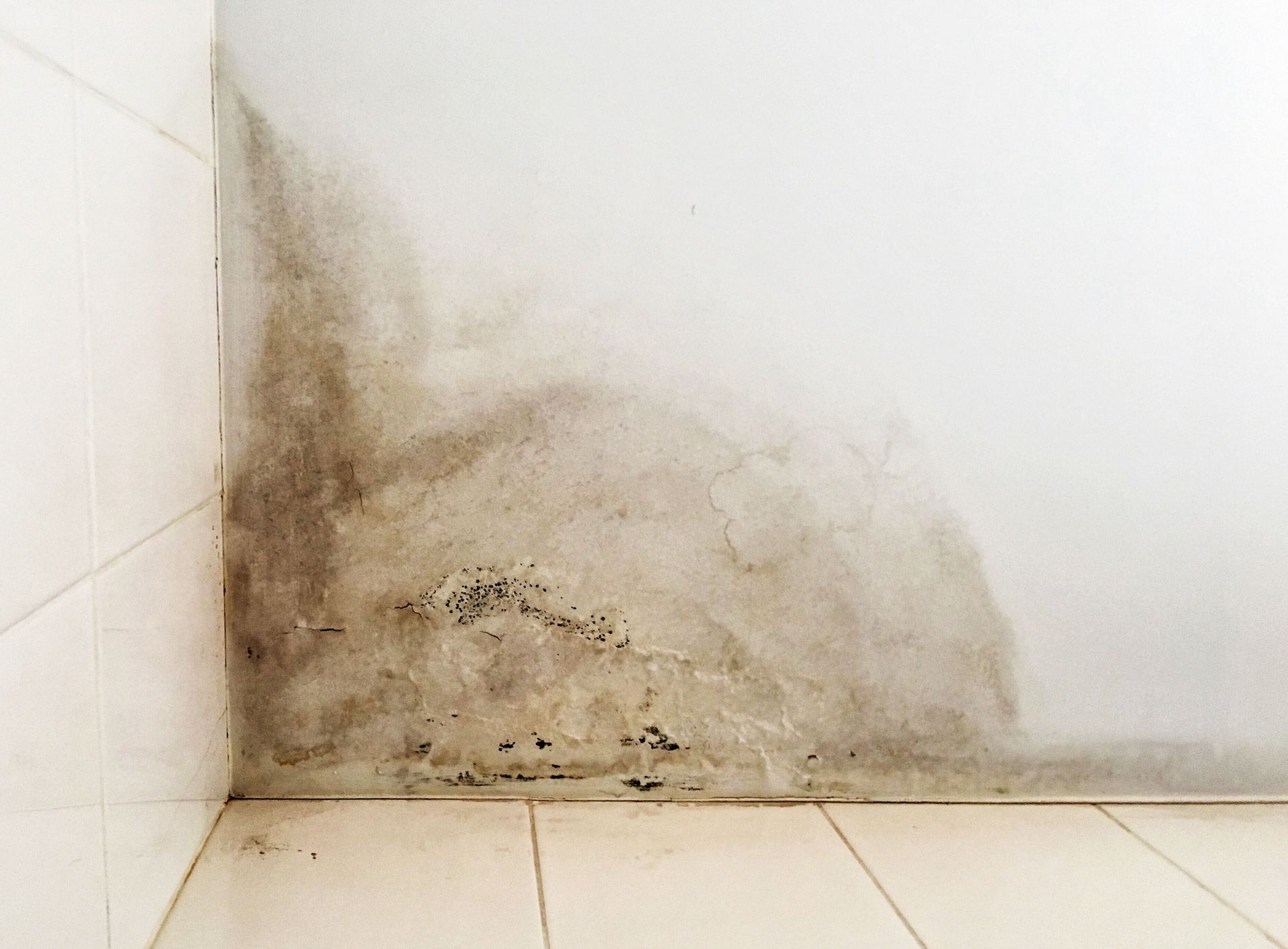
Hidden leaks are a common source of unnecessary household water consumption. Water may escape from pipes behind walls, beneath flooring, or inside cabinets without creating obvious warning signs. Homeowners might notice unexplained increases in water bills, damp surfaces, musty odors, or discoloration around plumbing fixtures. However, some leaks remain undetected because escaping water does not immediately reach visible areas. Even small leaks can waste considerable water when they continue throughout the day.
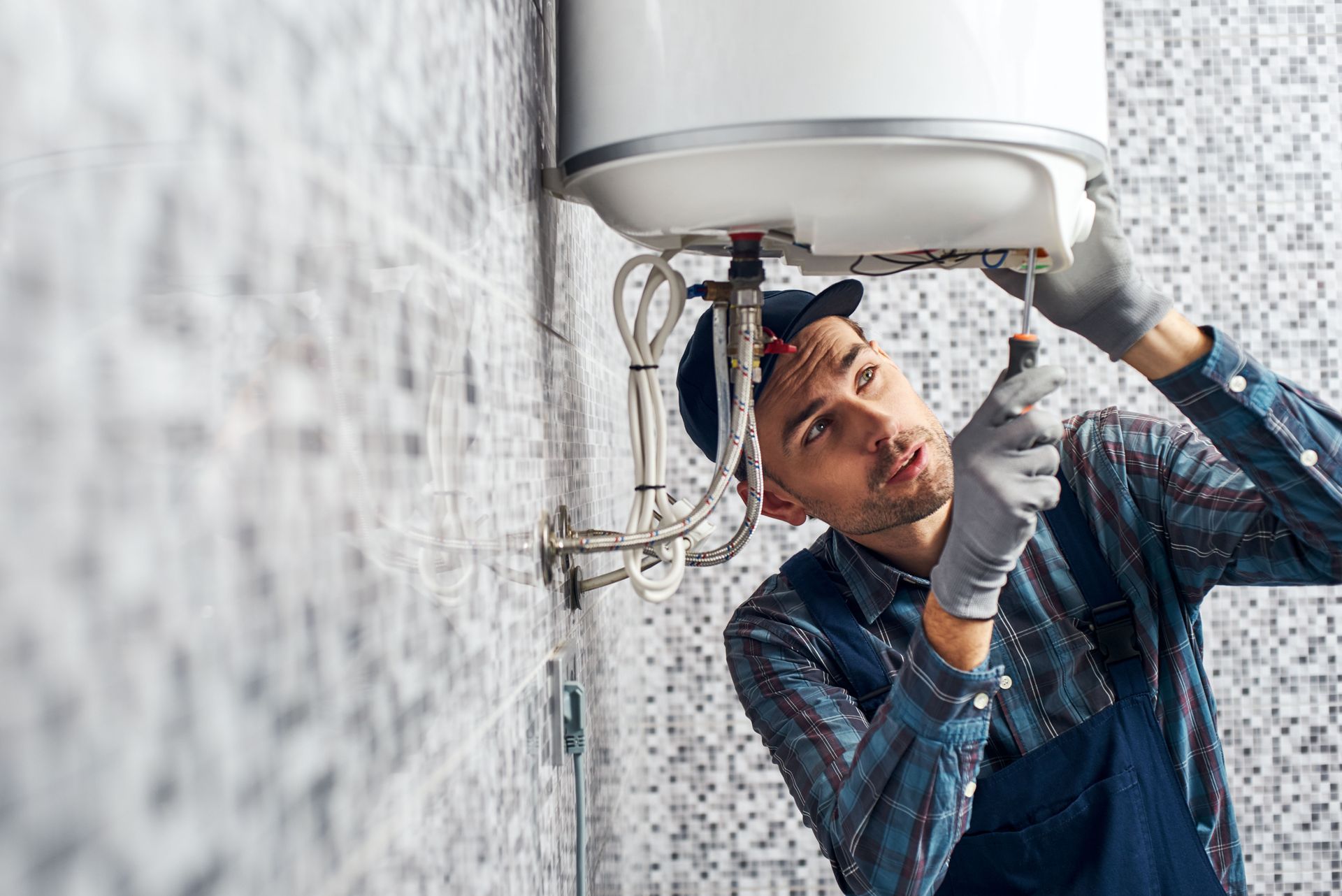
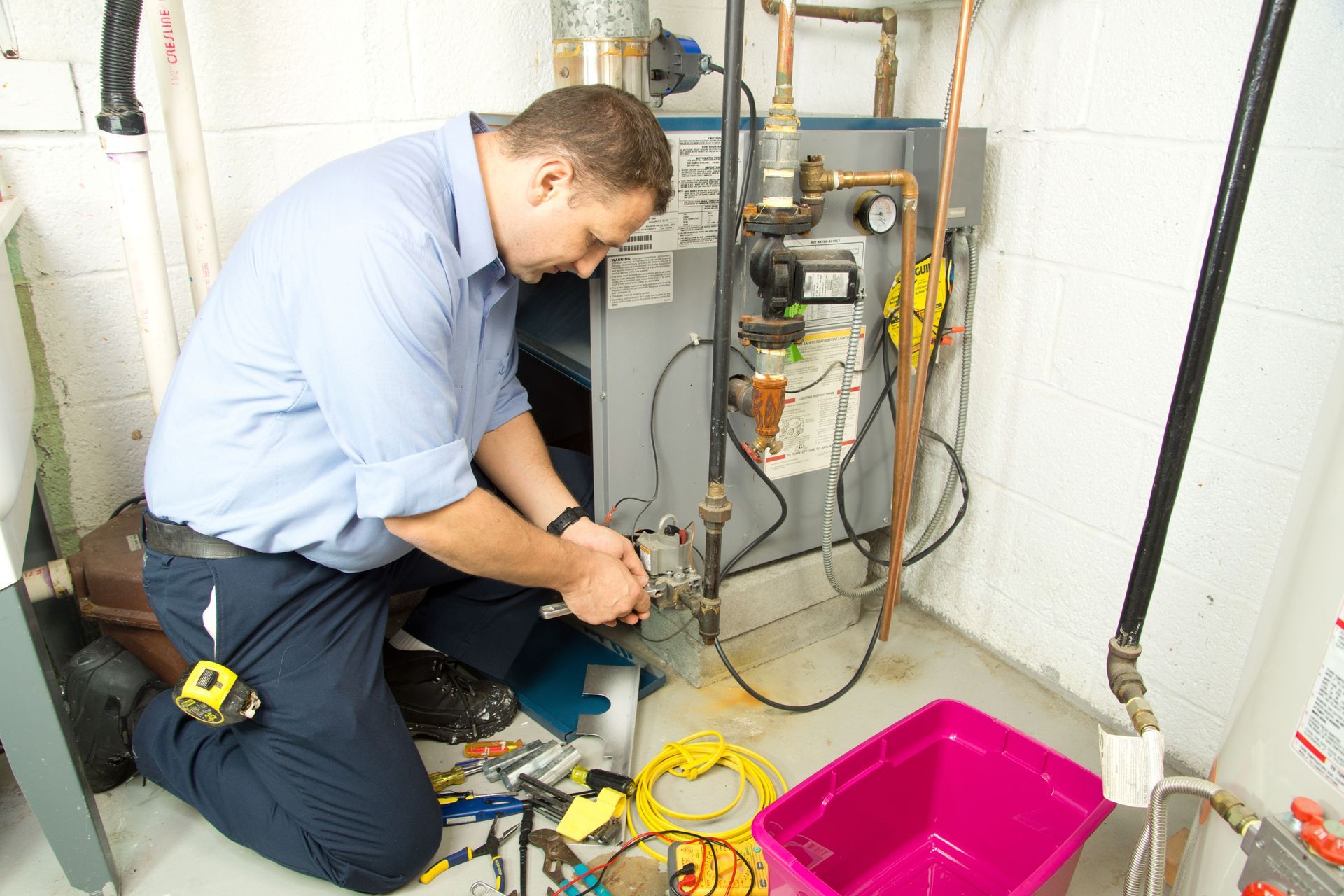
A plumber can inspect the plumbing system and use appropriate diagnostic methods to locate potential leaks. Depending on the situation, professionals may evaluate water pressure, inspect accessible piping, or use specialized detection equipment. Once the source is identified, repairs can address damaged connections, deteriorating pipes, or other problems. Detecting leaks early helps reduce water waste while limiting potential moisture damage to surrounding building materials.
2. Repairing Dripping Faucets and Running Toilets
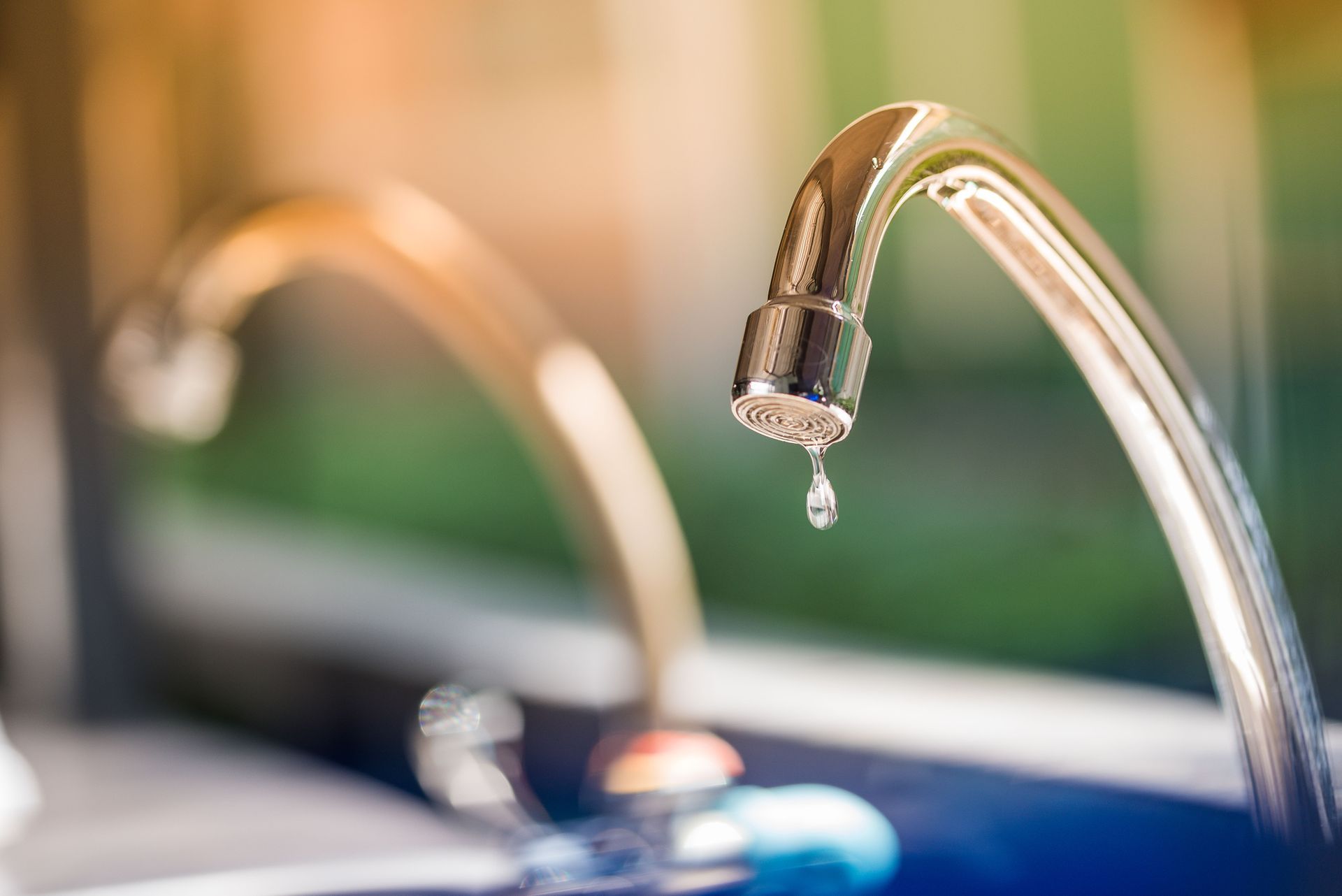
Dripping faucets and running toilets may seem like minor inconveniences, but they can contribute to unnecessary water consumption. A dripping faucet may have a worn washer, damaged cartridge, or deteriorating internal seal. Toilets can waste water when flappers fail to seal properly, fill valves malfunction, or tank components become misaligned. Because these problems develop gradually, homeowners sometimes overlook their potential impact on utility bills.
According to The Home Depot, homeowners can reduce their average water bills by approximately 10% by fixing common plumbing issues, such as leaking faucets and toilets that continuously run. Professional repairs can involve replacing worn components, adjusting internal mechanisms, or correcting faulty connections. Addressing these problems helps prevent water from flowing unnecessarily between normal uses. Checking faucets and toilets for unusual sounds or continuous movement can help homeowners recognize when maintenance is needed.
3. Installing Water-Efficient Plumbing Fixtures
Older plumbing fixtures may use more water than necessary to complete everyday activities. Traditional faucets, showerheads, and toilets can consume more water than newer models designed with conservation in mind. Replacing outdated fixtures provides an opportunity to reduce water consumption without significantly changing household routines. Water-efficient products are available in different styles and configurations, allowing homeowners to consider functionality and appearance when planning improvements.
A plumber can help homeowners evaluate existing fixtures and determine whether replacements would provide meaningful benefits. Options may include low-flow showerheads, efficient faucet aerators, and toilets designed to use less water per flush. Professionals can confirm that selected products are compatible with the home's plumbing connections and operating conditions. Choosing appropriate fixtures can support water conservation while maintaining satisfactory performance for bathing, cleaning, and other daily activities.
4. Correcting Excessive Household Water Pressure
Water pressure affects how efficiently plumbing fixtures operate and how much stress the system experiences. Excessive pressure can cause faucets and showerheads to release more water than necessary. It may also place additional strain on pipes, valves, connections, and appliance supply lines. Over time, this stress can contribute to leaks or premature component wear. Homeowners may notice forceful water flow, noisy pipes, or recurring problems with plumbing connections.
Professional technicians can measure household water pressure and determine whether it falls within an appropriate operating range. When necessary, adjustments or repairs to pressure-regulating equipment may help establish suitable conditions. Correcting excessive pressure can reduce unnecessary water flow while protecting plumbing components. However, adjustments should account for the home's plumbing configuration and fixture requirements to maintain reliable operation throughout the property.
5. Maintaining Water-Using Household Appliances
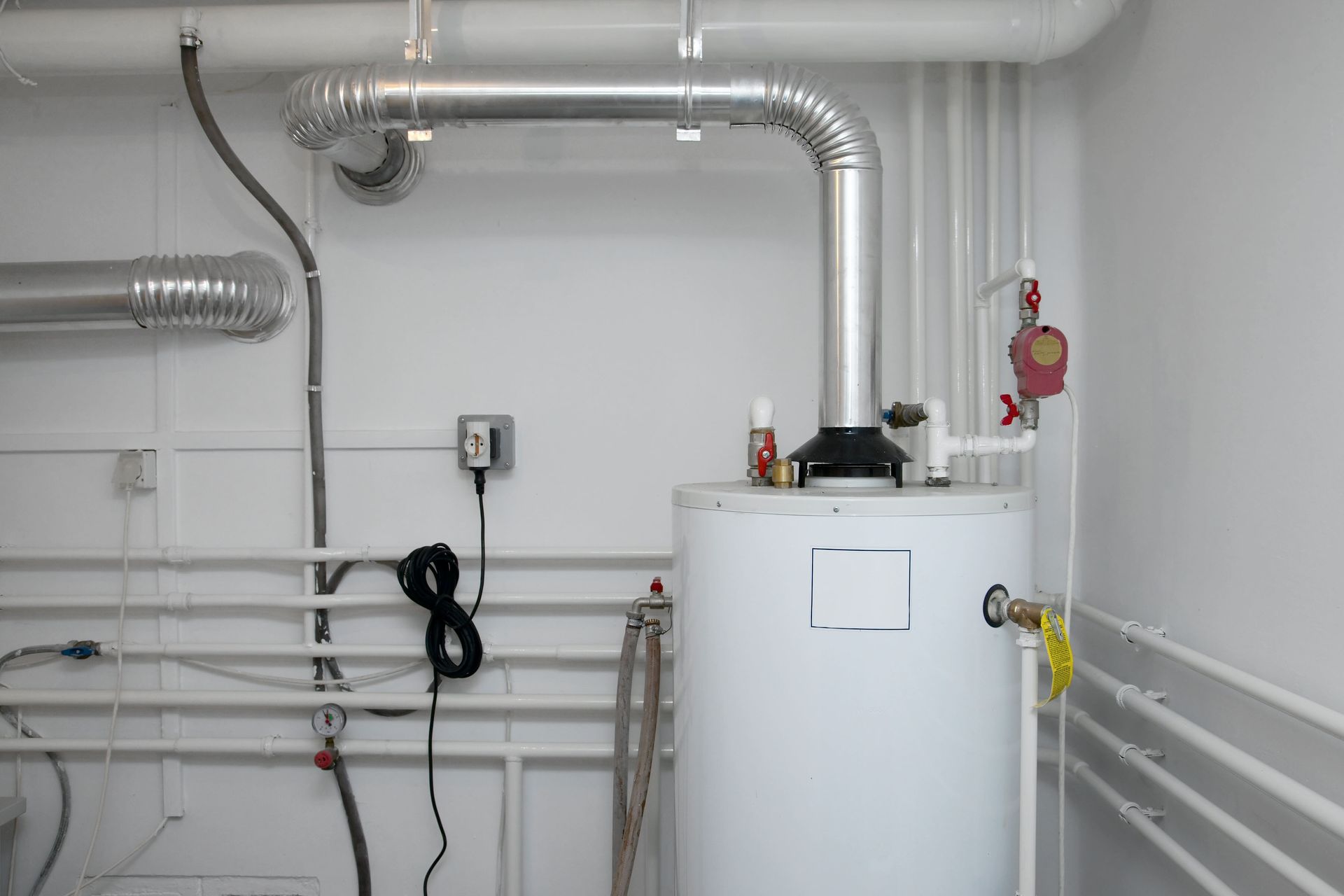
Dishwashers, washing machines, water heaters, and other appliances depend on properly functioning plumbing connections. Leaking supply hoses, deteriorating fittings, and malfunctioning valves can allow water to escape during operation or while appliances are inactive. These problems may develop slowly, particularly when connections are located behind equipment or inside utility areas. Homeowners may notice damp flooring, unusual appliance behavior, or unexplained water consumption before identifying the source.
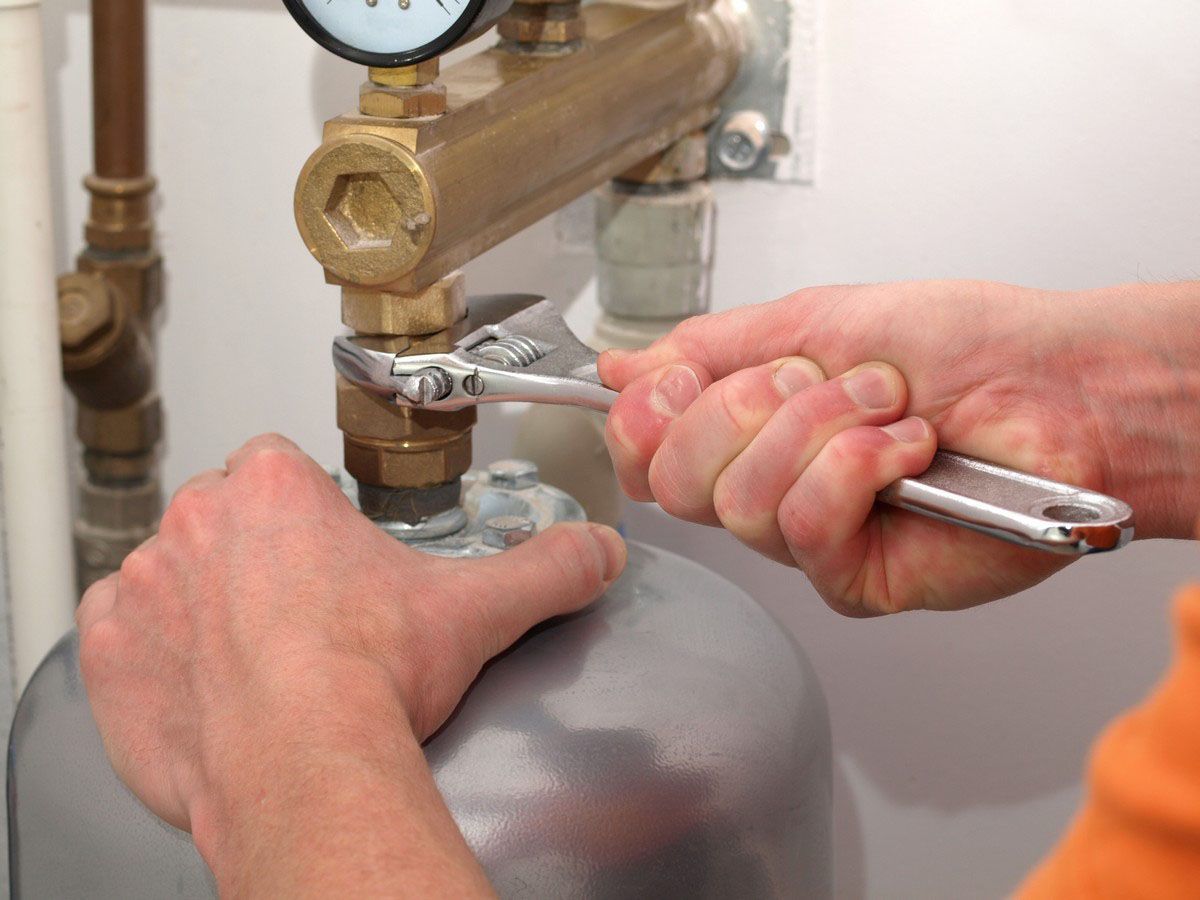
A plumber can inspect accessible supply connections, shutoff valves, and related piping for signs of wear or leakage. Necessary repairs may include replacing damaged hoses, securing connections, or correcting faulty valves. Professionals can also recommend maintenance practices based on the appliance and plumbing configuration. Keeping water connections in good condition helps reduce waste and supports dependable appliance operation. Homeowners should also follow manufacturer recommendations for maintenance and replacement intervals.
6. Evaluating Aging Pipes and Plumbing Connections
Residential plumbing systems contain pipes, joints, fittings, and valves that deteriorate over time. Corrosion, mineral buildup, temperature changes, and ordinary wear may affect their condition. Aging components can develop small leaks or restrictions that interfere with water delivery. In some homes, recurring plumbing problems may indicate that individual repairs are no longer sufficient to maintain reliable performance. Recognizing these conditions can help homeowners plan improvements before larger problems occur.
Professional inspections can help determine whether sections of piping require repairs or replacement. A plumber may recommend addressing corroded connections, replacing deteriorating valves, or upgrading damaged pipe sections. The appropriate solution depends on the materials, age, accessibility, and condition of the plumbing system. Targeted improvements can help prevent recurring leaks and reduce unnecessary water loss. They may also provide homeowners with greater confidence in their plumbing infrastructure.
7. Improving Outdoor Water Usage and Connections
Outdoor plumbing can contribute to household water waste, especially during warmer months when lawns and gardens require frequent watering. Leaking hose bibs, damaged outdoor connections, and malfunctioning irrigation supply components may allow water to escape unnoticed. Because these areas are exposed to changing weather conditions, physical damage and deteriorating seals can develop. Homeowners may discover persistent puddles, dripping exterior faucets, or unusually high water bills during irrigation season.
Professional assistance can help identify problems involving exterior plumbing connections, supply lines, and shutoff valves. Repairs may involve replacing worn seals, correcting leaks, or addressing damaged fittings. Homeowners can also review watering practices to avoid unnecessary irrigation during rainy periods. Maintaining outdoor plumbing components and monitoring seasonal water consumption can help prevent avoidable expenses while supporting healthy landscaping and responsible resource use.
8. Establishing Preventive Plumbing Maintenance
Preventive maintenance can help homeowners identify developing plumbing concerns before they significantly affect water consumption. Routine attention to faucets, toilets, visible pipes, appliance connections, and shutoff valves provides opportunities to recognize leaks and deterioration. Homeowners can monitor monthly utility bills for unexplained changes and periodically check whether water continues flowing when fixtures and appliances are inactive. These observations can provide useful information about the system's condition.
Scheduling periodic inspections with a plumber can provide additional insight into household plumbing performance. Professionals can examine accessible components, discuss recurring concerns, and recommend repairs or improvements based on observed conditions. Preventive maintenance does not eliminate every plumbing problem, but it can reduce the likelihood that minor issues remain unnoticed. Combining professional evaluations with homeowner monitoring supports efficient water usage and better long-term maintenance planning.
Reducing household water expenses often begins with identifying where unnecessary consumption occurs. Hidden leaks, dripping faucets, running toilets, excessive water pressure, aging pipes, and inefficient fixtures can contribute to higher utility bills. Professional plumbing services help homeowners investigate these concerns and determine which repairs or upgrades may provide practical benefits. Regular inspections and preventive maintenance support dependable plumbing performance while reducing the risk of overlooked problems. Although actual savings depend on household water usage, system condition, and completed improvements, addressing avoidable waste can make a meaningful difference over time. Homeowners who take a proactive approach to plumbing maintenance can protect their properties while using water more efficiently. For professional plumbing inspections, repairs, and water-saving solutions, contact Jim England Plumbing today.
Share On: