
When Do Plumbers Use Pipe Rerouting for Leak Repairs?
Hidden plumbing leaks can cause significant problems when they go undetected, particularly when pipes run beneath a home's concrete foundation. While some leaks can be repaired by accessing the damaged section directly, others require a different approach. Pipe rerouting gives plumbers an alternative by redirecting water through a new pipe path instead of continuing to use the damaged section. Understanding when this method is appropriate can help homeowners recognize their repair options and protect their property from further water damage. Because hidden leaks may continue releasing water before visible signs appear, early detection is important. Recognizing changes in water pressure, unexplained moisture, or unusually high utility bills can help homeowners address plumbing concerns before they lead to more extensive repairs.
Identifying Leaks Beneath Concrete Foundations
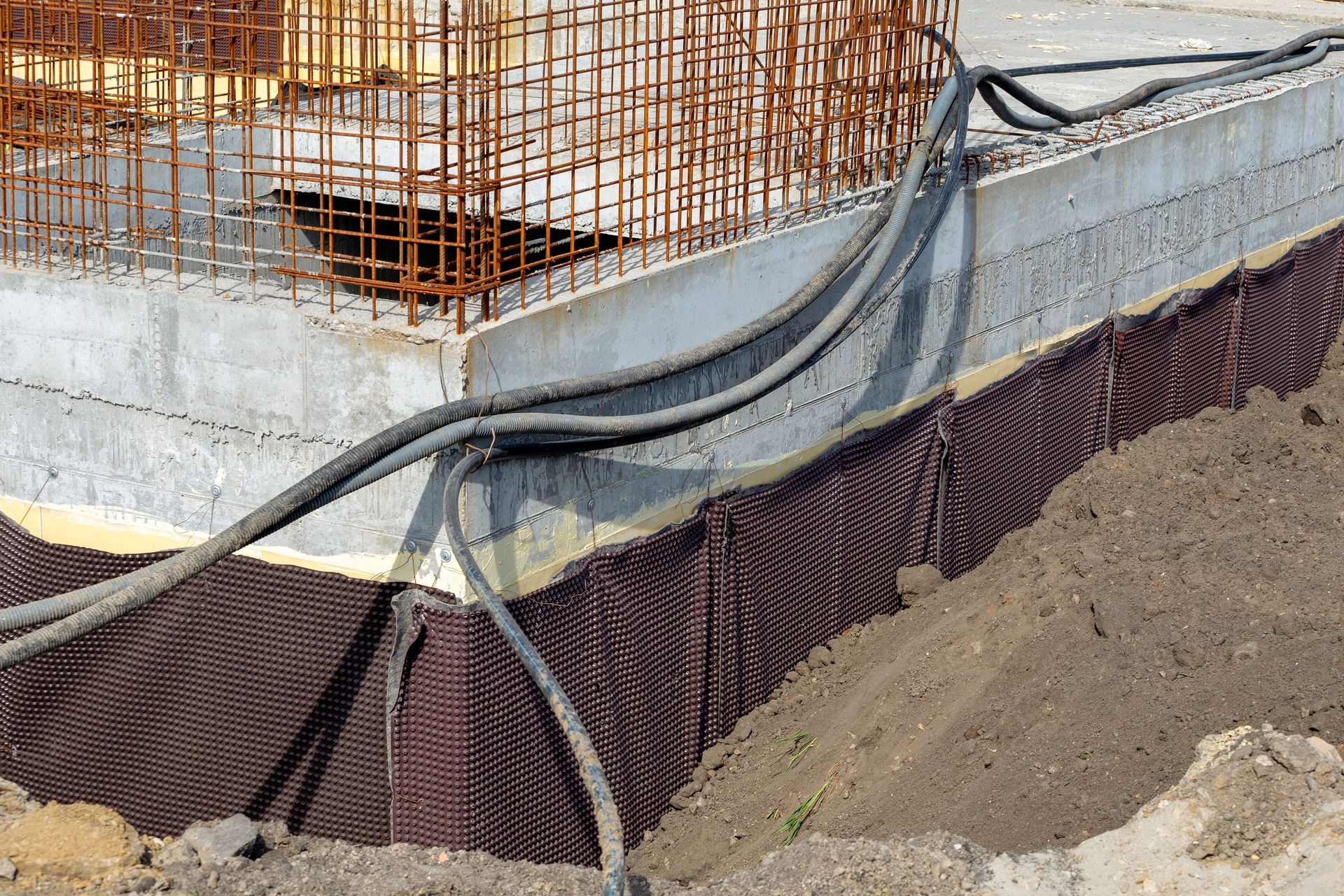
One of the most common situations that may require pipe rerouting involves a slab leak. These leaks occur when water pipes running beneath a home's concrete foundation develop cracks, corrosion, or other damage. Because the plumbing is concealed, identifying the exact source can be difficult without specialized equipment.
Homeowners may notice several warning signs, including:
- Unexpected increases in water bills.
- Warm or damp spots on floors.
- Reduced water pressure.
- The sound of running water when fixtures are turned off.
- Cracks or moisture near the foundation.
According to the U.S. Environmental Protection Agency (EPA), household leaks can waste more than 9,300 gallons of water annually. This amount can lead to significantly higher utility bills if leaks go undetected.
When these symptoms appear, plumbers can use electronic leak detection equipment and other diagnostic methods to locate the problem. Identifying the leak's position and understanding the condition of the surrounding pipe help determine whether a direct repair or rerouting is more appropriate.
Avoiding Extensive Concrete Removal
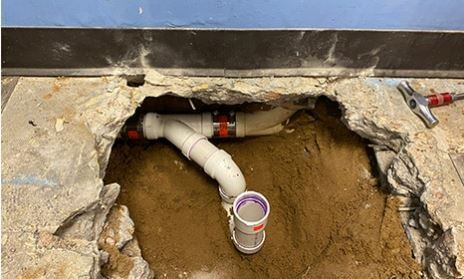
Traditional slab leak repairs may require cutting into the concrete foundation to reach the damaged pipe. Although this approach can be effective in certain situations, it may involve substantial work, particularly when the plumbing is difficult to access.
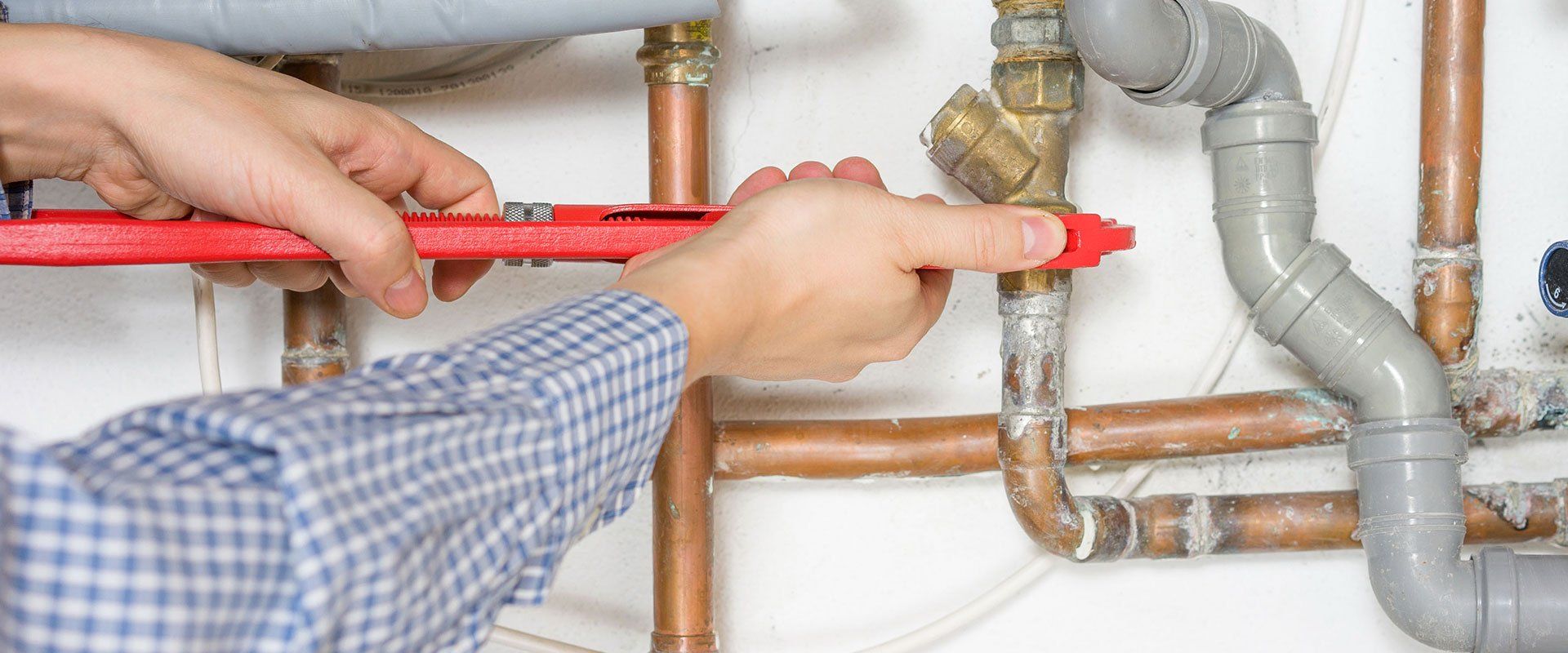
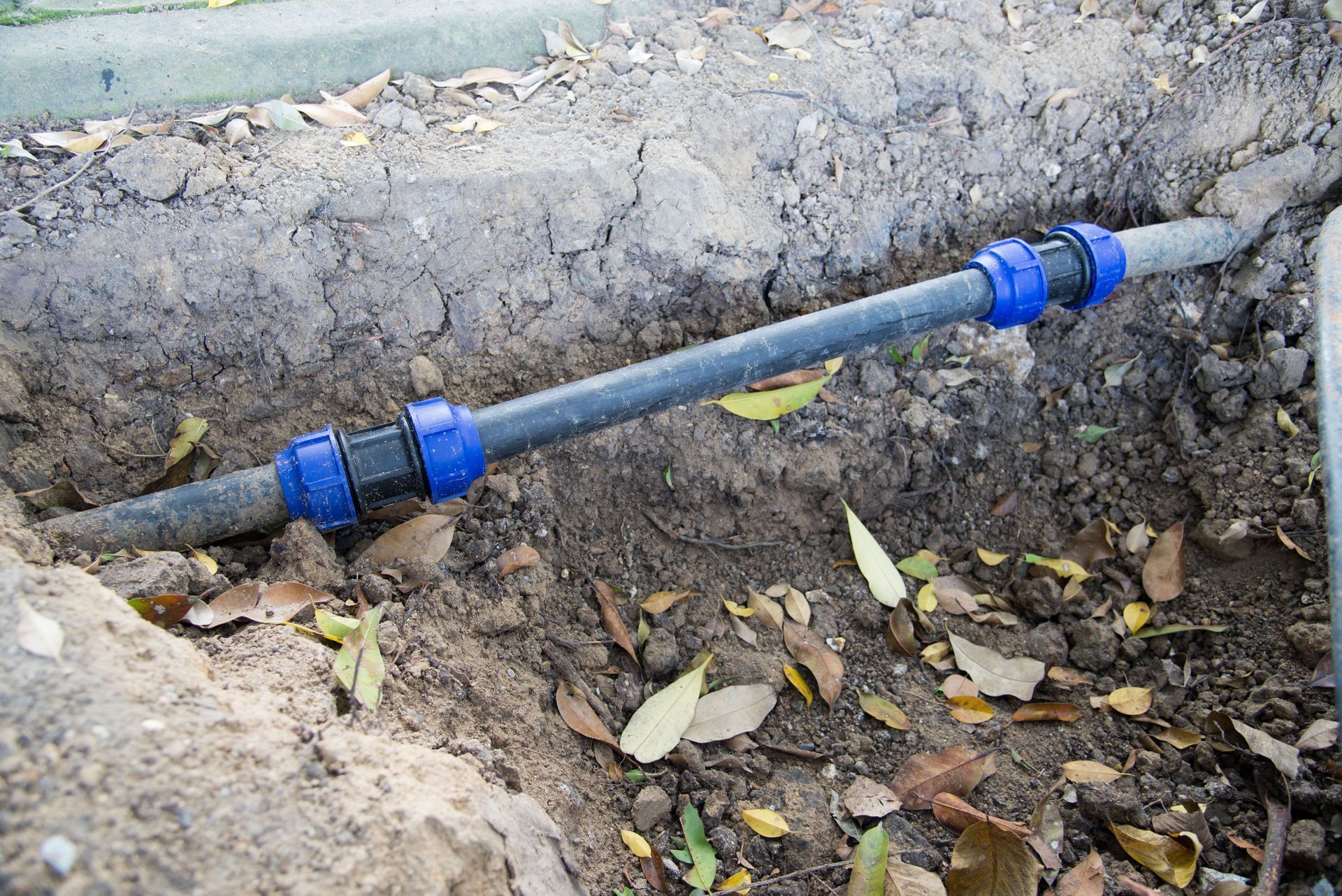
Pipe rerouting can provide an alternative when direct access to the damaged section would require extensive demolition. Instead of opening the concrete to reach the leak, plumbers can install a new pipe route that bypasses the damaged section. For example, a replacement line may be routed through walls, ceilings, or other accessible areas, depending on the home's layout.
This approach can reduce the amount of concrete that needs to be removed and limit disruption to flooring and other finished surfaces. However, rerouting is not automatically the best choice for every slab leak. The condition of the plumbing system, the location of the damaged pipe, and the accessibility of alternative routes all influence the decision.
Addressing Repeated Leaks in the Same Pipe
A pipe that develops multiple leaks may indicate a larger problem than an isolated damaged section. Corrosion, deterioration, age, and other forms of wear can weaken plumbing materials over time. If additional leaks continue appearing along the same line, repeatedly repairing individual sections may become inconvenient and costly.
In these situations, plumbers may recommend rerouting the affected line rather than continuing to patch sections of deteriorating pipe. Installing a new route can bypass the problem area and provide an alternative path for water to reach its destination.
Before recommending this solution, a professional should evaluate the pipe's condition and determine whether the damage is limited to one section or affects a larger portion of the system. If the existing plumbing has widespread deterioration, additional replacement work may be necessary.
Working Around Difficult-to-Access Plumbing
Some pipes are located in areas that are challenging to reach without disturbing finished surfaces or structural components. Plumbing beneath concrete slabs is one example, but pipes may also run behind walls, beneath flooring, or through other enclosed spaces.
When direct access would require extensive removal of building materials, rerouting may offer a more practical repair option. The new pipe path can be planned around accessible areas while avoiding the damaged section.
Plumbers must consider several factors when determining whether an alternative route is feasible, including:
- The location of the existing plumbing.
- Available space for installing replacement piping.
- Connections to the existing water supply.
- The condition of nearby pipes.
- Applicable building codes and installation requirements.
A carefully planned route should provide reliable water flow while remaining accessible for future maintenance whenever possible. The goal is to resolve the leak without creating unnecessary complications elsewhere in the plumbing system.
Reducing the Risk of Future Water Damage
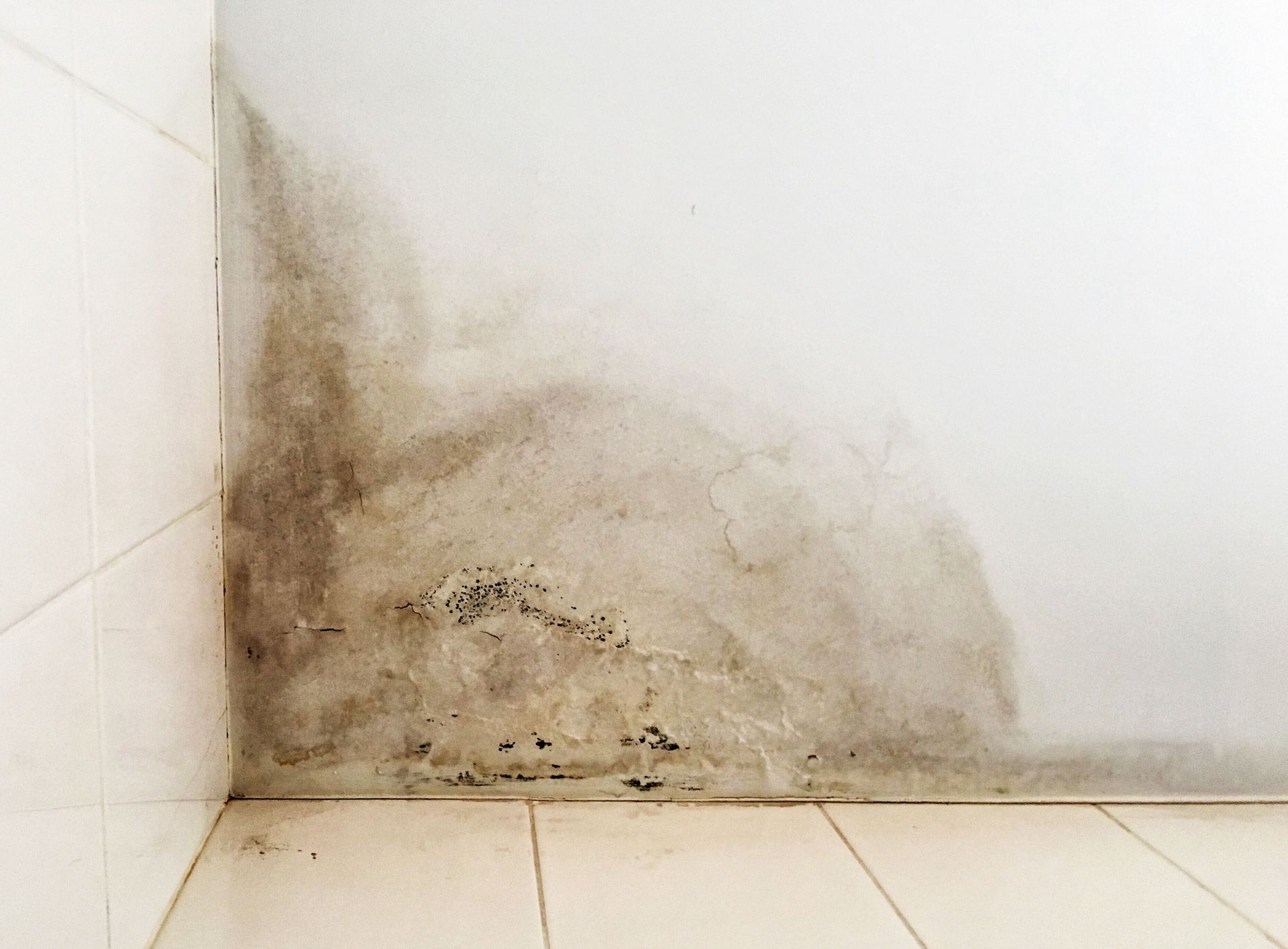
A hidden leak can affect more than the plumbing itself. Water escaping beneath a foundation or behind finished surfaces may damage flooring, encourage mold growth, and contribute to deterioration if the problem continues.
Rerouting can help address the source of a leak by removing the damaged section from service. When properly installed and tested, the new line provides an alternative path that avoids the compromised pipe.
However, rerouting does not eliminate all plumbing concerns. Other aging pipes may still require attention, and the affected area should be evaluated for existing water damage. Homeowners should also monitor water bills, check for moisture, and arrange professional inspections when new warning signs appear.
Evaluating the Benefits and Limitations of Rerouting
Although pipe rerouting can be an effective solution for certain leaks, it is important to understand when the method makes sense. The approach may reduce demolition and provide a new route around damaged plumbing, but it also requires careful planning and proper installation.
A professional assessment helps determine whether rerouting is more practical than repairing the existing pipe or removing a damaged section. Factors such as the pipe material, leak location, accessibility, and overall plumbing condition should guide the recommendation.
Homeowners should discuss the proposed work with their plumbing professional before construction begins. Useful questions include:
- Why is rerouting recommended instead of a direct repair?
- Where will the replacement pipe be installed?
- Will the existing damaged section be disconnected or bypassed?
- What testing will confirm the repair is successful?
- Are additional repairs needed to address related damage?
Understanding these details helps homeowners make informed decisions and know what to expect throughout the repair process.
Choosing Experienced Professionals for Leak Repairs
Pipe rerouting requires an understanding of residential plumbing systems, leak detection, and proper pipe installation. The replacement route must connect correctly to the existing system, maintain appropriate water flow, and meet applicable plumbing requirements.
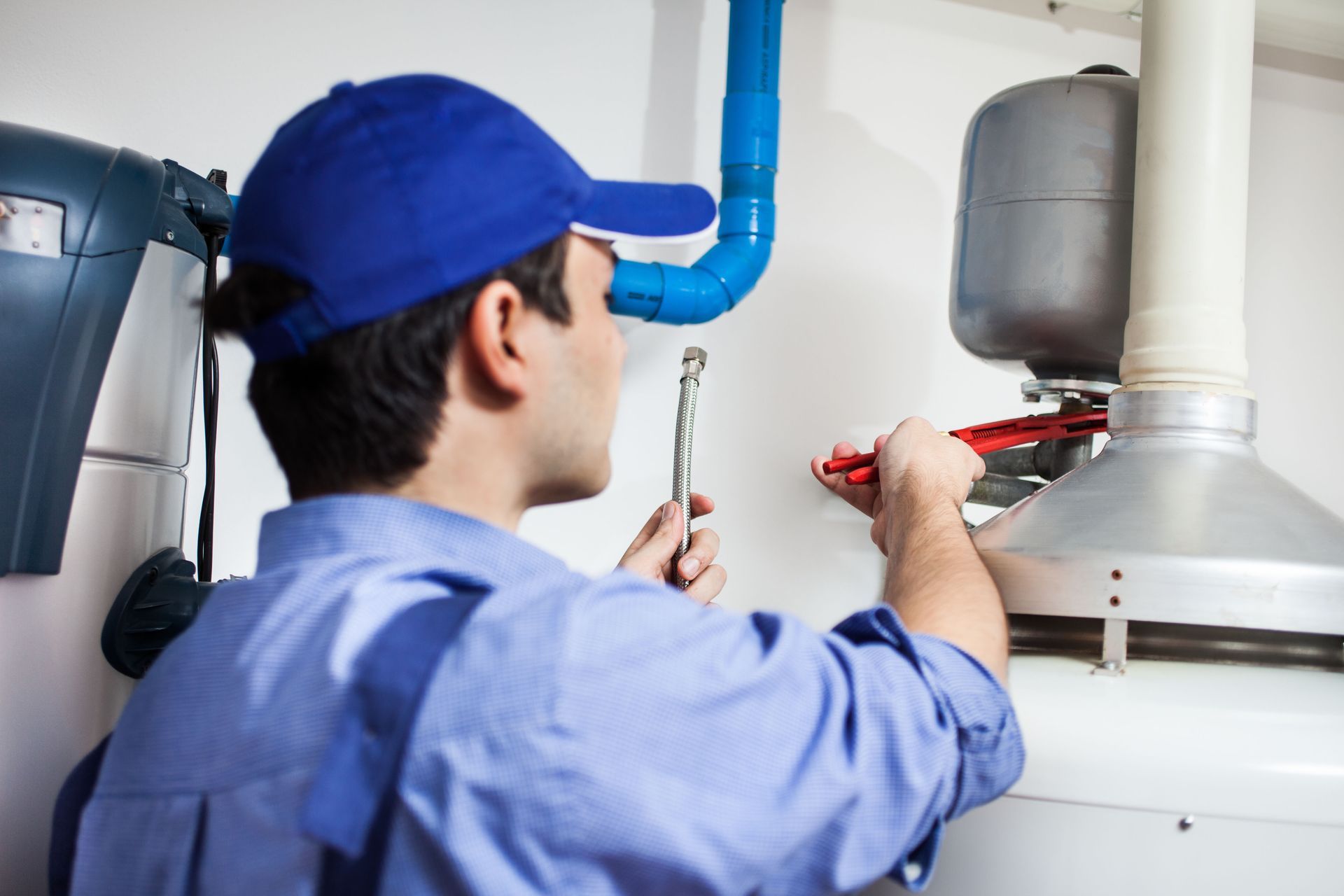
Experienced plumbers can evaluate the problem, explain available repair methods, and recommend an approach based on the home's specific conditions. They can also use diagnostic equipment to identify hidden leaks and determine whether rerouting, spot repairs, or another solution is appropriate.
For homeowners dealing with slab leaks, professional service is especially important because delayed repairs can allow water damage to worsen. Prompt diagnosis and an appropriate repair plan can help restore the plumbing system while limiting unnecessary disruption.
Protecting Your Home With the Right Leak Repair
Pipe rerouting can be a practical option when a damaged line is difficult to access, repeated leaks indicate deterioration, or reaching the original pipe would require extensive concrete removal. Experienced plumbers can assess the plumbing system, locate the source of the leak, and determine whether rerouting or another repair method is appropriate.
Addressing the problem promptly can also help limit water waste and reduce the risk of damage to flooring, foundations, and other parts of the home. The right solution depends on the location and condition of the plumbing, making professional diagnosis an important first step. Contact Jim England Plumbing today to schedule slab leak detection and repair services and learn whether pipe rerouting is the right solution for your home.
Share On: