
Why Plumbers Stress Fixing Shower Leaks
A shower leak may seem like a minor inconvenience, especially when it appears as an occasional drip or a small damp spot near the enclosure. However, water escaping from a shower can affect far more than the fixture itself. Moisture may travel behind walls, collect beneath flooring, and damage materials before homeowners recognize the extent of the problem. Even visible dripping can increase water consumption and signal worn components that need attention. Experienced plumbers encourage prompt repairs because identifying the source early can help prevent larger disruptions. Understanding how shower leaks develop and what they can affect helps homeowners recognize warning signs, protect their bathrooms, and make informed decisions about maintenance.
Recognizing the Early Signs of Shower Leaks
Not every shower leak produces a puddle on the bathroom floor. Some begin with a faucet that continues dripping after use, while others appear as damp grout, peeling paint, or discoloration near adjacent walls. A musty smell, loose tiles, or a soft area around the shower can also suggest that moisture is reaching places it should not. These symptoms deserve attention even when the shower seems to function normally.
Homeowners can look for patterns without dismantling plumbing or opening walls. Note whether moisture appears only during showers, after the water is turned off, or continuously throughout the day. These observations can help plumbers distinguish a leaking supply connection from a drainage or enclosure problem. Avoid assuming that a small stain is merely cosmetic, since concealed moisture may spread beyond the area where it becomes visible.
Identifying the Source Before Making Repairs
Showers contain several potential leak points, including the showerhead, valve, supply connections, drain assembly, and seals around the enclosure. Water can also escape through damaged caulk or failed waterproofing behind tile. Because different problems may create similar symptoms, replacing the most visible component does not always resolve the underlying issue. A careful diagnosis considers when the leak occurs and how water moves through the space.
For example, a drip from the showerhead after the water is shut off may indicate a worn valve cartridge, while moisture below the shower could point to a drain connection or compromised shower pan. Plumbers may trace the source through targeted testing and access to plumbing components. Accurate identification helps limit unnecessary repairs and reduces the likelihood that water will continue escaping after surface damage has been covered.
Preventing Damage to Walls and Subfloors
Bathrooms are built to tolerate routine humidity and splashing, but building materials outside the intended wet area may not withstand repeated exposure. Water entering behind tile or through gaps around a shower can soak drywall, wood framing, and subflooring. Over time, affected materials may swell, weaken, or deteriorate. Damage can remain hidden until flooring feels uneven or finishes begin separating from the wall.
Prompt attention helps reduce the amount of material that needs repair or replacement. Plumbers may address a failed fitting or fixture, while other qualified professionals may be needed to repair waterproofing, tile, or damaged structural materials. Homeowners should not rely on fresh caulk or paint to conceal persistent dampness. Resolving the water source and allowing affected areas to dry appropriately are essential parts of restoring the bathroom.
Reducing Unnecessary Household Water Waste
A persistent drip may appear insignificant because each individual drop is small. Over weeks and months, however, the wasted water can add up. According to the EPA, a showerhead that drips 10 times per minute can waste more than 500 gallons of water each year. This example shows why even slow leaks deserve attention rather than being dismissed as harmless background noise. It also highlights the value of monitoring fixtures that continue dripping long after use.
Water waste is not limited to showerheads. A leaking valve or connection can allow water to escape where it is less visible, making the problem harder to measure. Homeowners can compare water bills, watch for unexpected increases, and check fixtures regularly for signs of trouble. Repairing a leak supports more efficient water use and can prevent avoidable expenses from accumulating over time.
Limiting Conditions That Encourage Mold Growth
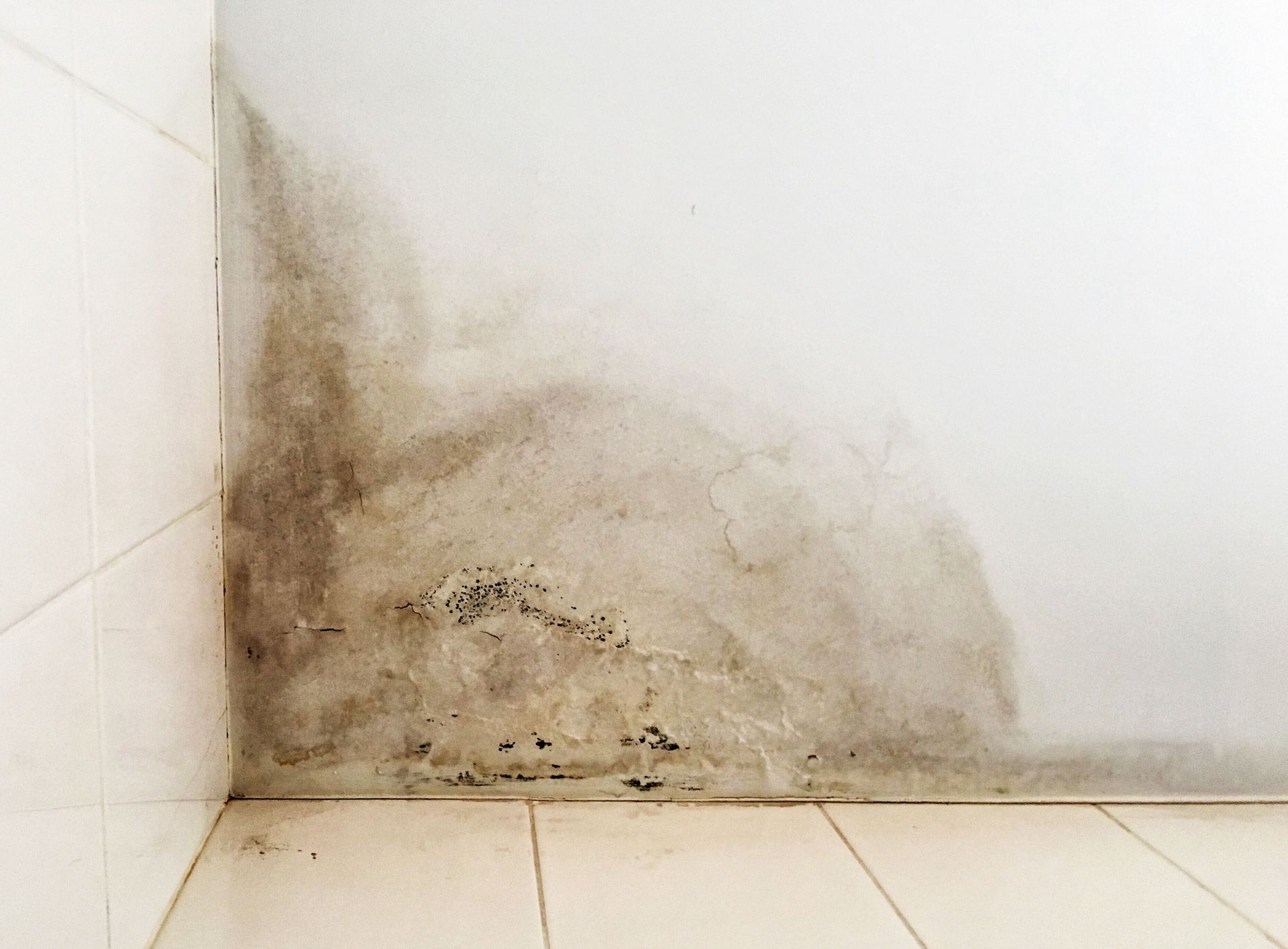
Persistent moisture creates conditions in which mold and mildew may develop, particularly in poorly ventilated or concealed spaces. Bathrooms naturally experience humidity, but water trapped behind a wall or beneath flooring is different from temporary condensation after a shower. A recurring musty odor or discoloration around damaged materials may indicate a moisture issue requiring further investigation. The visible stain may not reveal how far the problem extends.
Addressing the leak is an important step in preventing continued dampness. Plumbers can repair faulty plumbing components, while appropriate remediation or restoration specialists may be needed when materials have become contaminated or extensively damaged. Ventilation and routine cleaning help manage ordinary bathroom humidity, but neither substitutes for fixing water intrusion. Homeowners should seek professional guidance when moisture persists or mold growth is suspected behind finished surfaces.
Protecting Adjacent Rooms and Living Spaces
Water rarely stays confined to the point where it first escapes. A shower leak may travel along framing, move through openings around pipes, or reach ceilings below an upstairs bathroom. As a result, the first obvious warning could be a stain in a hallway or a damp patch in a room next to the shower. This can make the source difficult to recognize without investigating the plumbing and surrounding materials.
Delaying repairs may expand the affected area and complicate cleanup. Moisture reaching cabinets, baseboards, insulation, or finished ceilings can create additional work beyond the original fixture repair. Homeowners should document visible changes and keep vulnerable areas clear when possible. If water is actively spreading, shutting off the appropriate supply valve and contacting a qualified professional can help limit further damage while the cause is assessed.
Avoiding Repeated Repairs and Higher Costs
A quick temporary fix may stop a visible drip without addressing the reason it began. Worn cartridges, deteriorated seals, loose connections, and damaged waterproofing require different solutions. Applying sealant to an area that is still wet or replacing a showerhead when the valve is defective may leave the underlying problem unresolved. Repeated patching can increase costs and postpone the repair that is actually needed.
Experienced plumbers assess the condition of relevant components and explain whether a targeted repair or replacement is more appropriate. The decision may depend on fixture age, availability of parts, and the extent of damage. Requesting a clear explanation of the suspected cause and recommended work helps homeowners understand the repair. Addressing the correct component promptly may reduce repeat service visits and protect nearby finishes.
Maintaining a Safer and More Reliable Bathroom
Leaks can affect everyday bathroom safety and convenience. Water escaping onto a smooth floor increases the chance of slipping, while damp materials may become unstable or difficult to clean. Persistent dripping can also interfere with normal use and make it harder to recognize a new plumbing problem. A shower that operates reliably should direct water through its intended supply and drainage systems without leaving surrounding areas wet.
Routine inspections can help homeowners notice changes before they become disruptive. Check around fixtures, observe grout and caulk conditions, and pay attention to unexplained moisture after showering. Keep in mind that replacing worn surface sealant does not correct a hidden plumbing failure. When symptoms continue, professional evaluation offers a more dependable way to identify the cause and determine what work is necessary.
A leaking shower deserves attention even when the first symptom seems minor. Dripping fixtures waste water, while concealed leaks can damage walls, flooring, and neighboring rooms. Persistent dampness may also contribute to mold problems and create slippery surfaces. Recognizing warning signs, identifying the actual source, and completing appropriate repairs can help homeowners avoid unnecessary disruption. Regular observation is useful, but it cannot replace a professional assessment when moisture continues or damage appears. Qualified plumbers can investigate shower leaks, explain repair options, and help restore dependable bathroom operation. If you have noticed dripping, dampness, or other signs of a shower leak, contact Jim England Plumbing today.
Share On: