
Water Heater Install: What to Expect
This article provides a comprehensive overview of the water heater installation process, helping homeowners prepare for this important home upgrade. A water heater is an essential appliance that ensures a steady supply of hot water in your home, and understanding the installation process can help ensure a more efficient and smooth transition. Whether upgrading your current system or installing a completely new heater, knowing what to expect can alleviate common anxieties associated with such a large home project. This guide will walk you through different types of water heaters, preparation steps, the installation process, and post-installation considerations. By the end, you'll be equipped with the knowledge needed to make informed decisions about your water heating needs.
Types Of Water Heaters
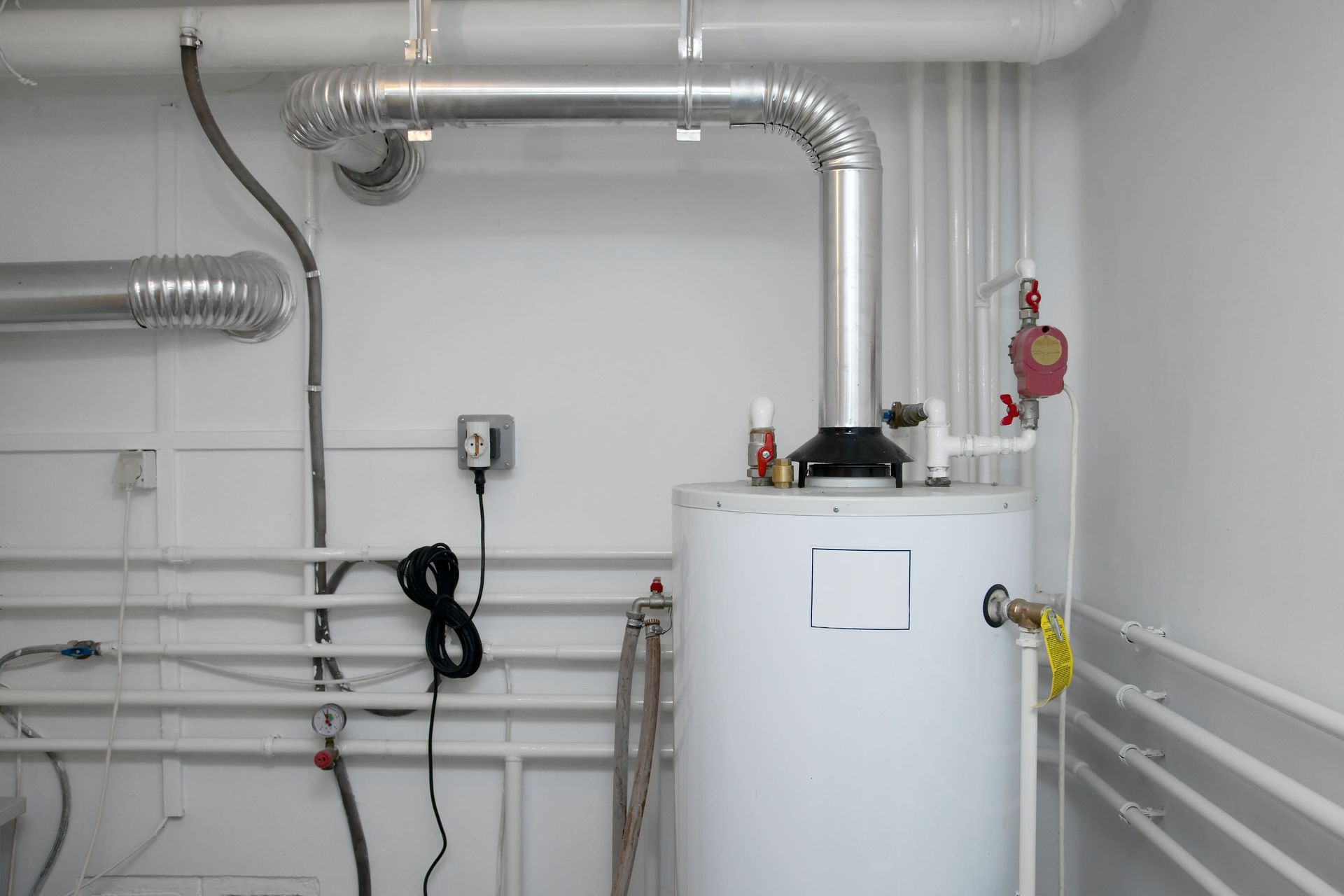
Conventional storage tank water heaters are the most common type found in homes. They consist of a large tank that holds and heats a specific amount of water, using either gas or electricity. These systems are relatively straightforward to install and maintain, making them a popular choice for many homeowners. However, they are not the most energy-efficient, given that they continuously heat water to maintain the temperature, which can lead to higher energy costs over time.
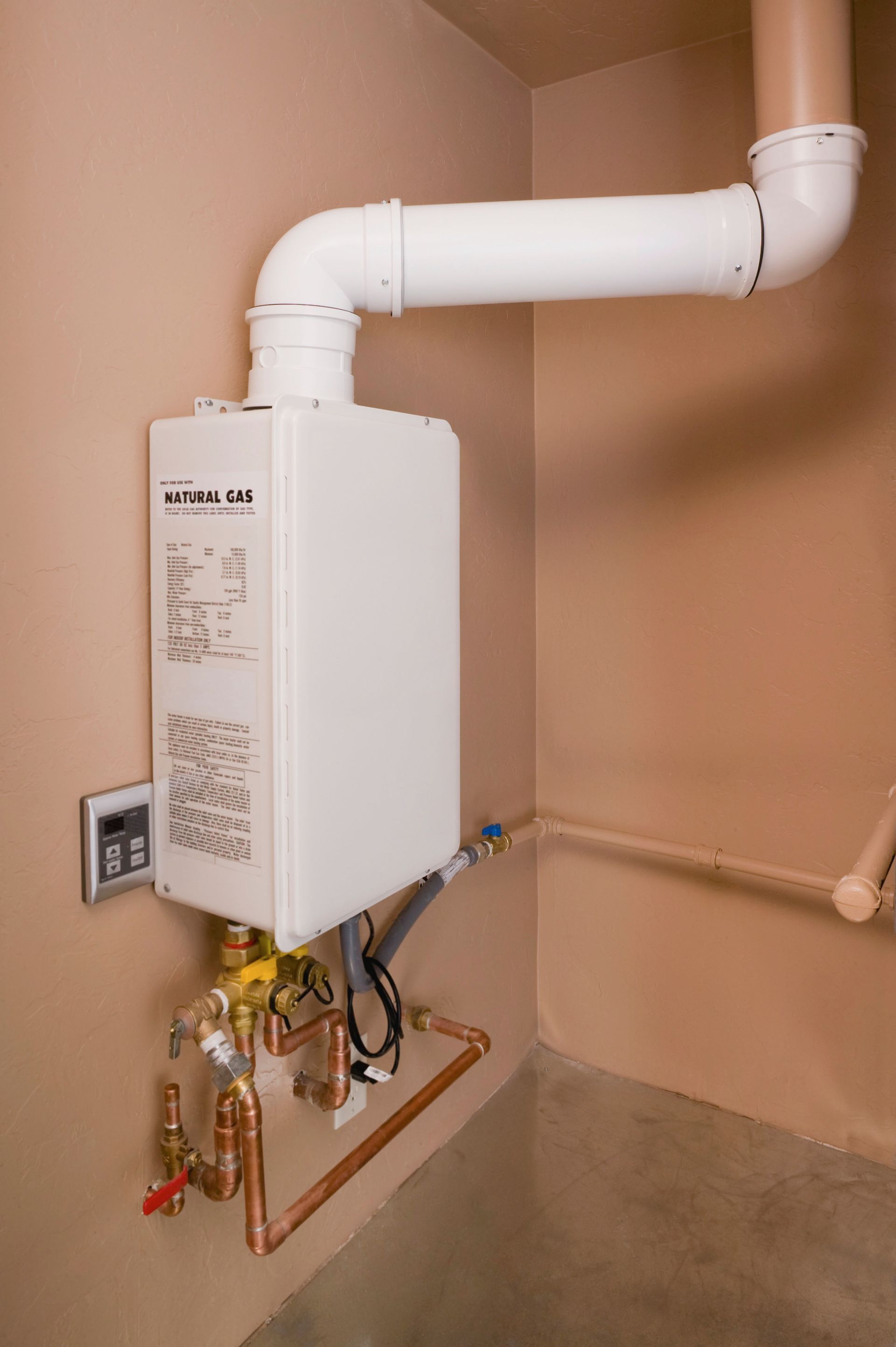
Tankless water heaters, also known as on-demand systems, heat water directly without the need for a storage tank. When a hot water tap is turned on, cold water travels through a pipe into the unit, where it is heated by either a gas burner or an electric element. This type offers unlimited hot water, making it ideal for families or homes with higher water demands. Although they have a higher initial cost compared to traditional models, their efficiency can lead to significant savings over time. According to the U.S. Department of Energy, switching to a tankless system could contribute to a reduction in your home’s energy use, as water heating accounts for 20% of residential energy consumption.
Hybrid water heaters, or heat pump water heaters, use heat from the air or ground to heat water instead of relying solely on electricity or gas. They are more energy-efficient than traditional storage water heaters because they transfer heat rather than generate it directly. While these systems can be more expensive upfront, their energy-saving capabilities often result in lower utility bills, which can offset the initial investment.
Solar water heaters utilize energy from the sun to heat water, offering an eco-friendly alternative. They consist of solar collectors and insulated storage tanks. Although this option significantly reduces energy bills, it requires ample sunlight and is often more expensive to install initially. Government incentives can help offset costs.
Condensing water heaters are an energy-efficient option for homes using natural gas. They work by capturing exhaust gases that would otherwise escape unused, using them to heat water. These units are designed for high-demand households and can be integrated easily into existing gas systems.
Preparing For Installation
Before starting any water heater install, assessing your home’s needs is crucial. Consider household size, hot water demand, and local climate. A professional installer can evaluate whether a tank, tankless, or hybrid system best suits your layout. This preparation ensures the heater you choose will serve your family for years.
Sizing is another key step. A heater that’s too small will run out of hot water during peak times, while an oversized model wastes energy. Calculating peak-hour demand, reviewing the first-hour rating, or checking tankless flow rates helps determine the right unit.
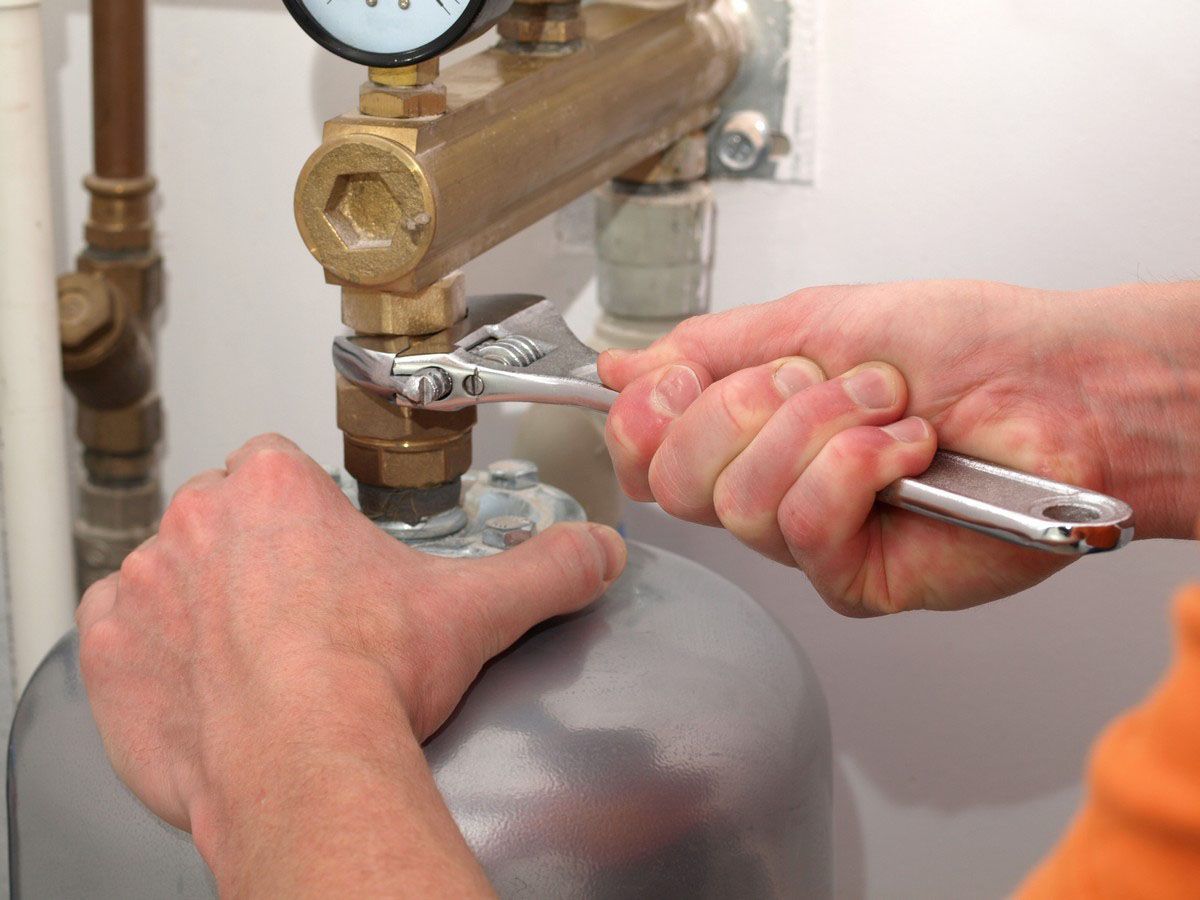
Gathering tools and materials in advance also saves time. Pipe wrenches, connectors, vent kits, and correct water lines should be ready before installation begins.
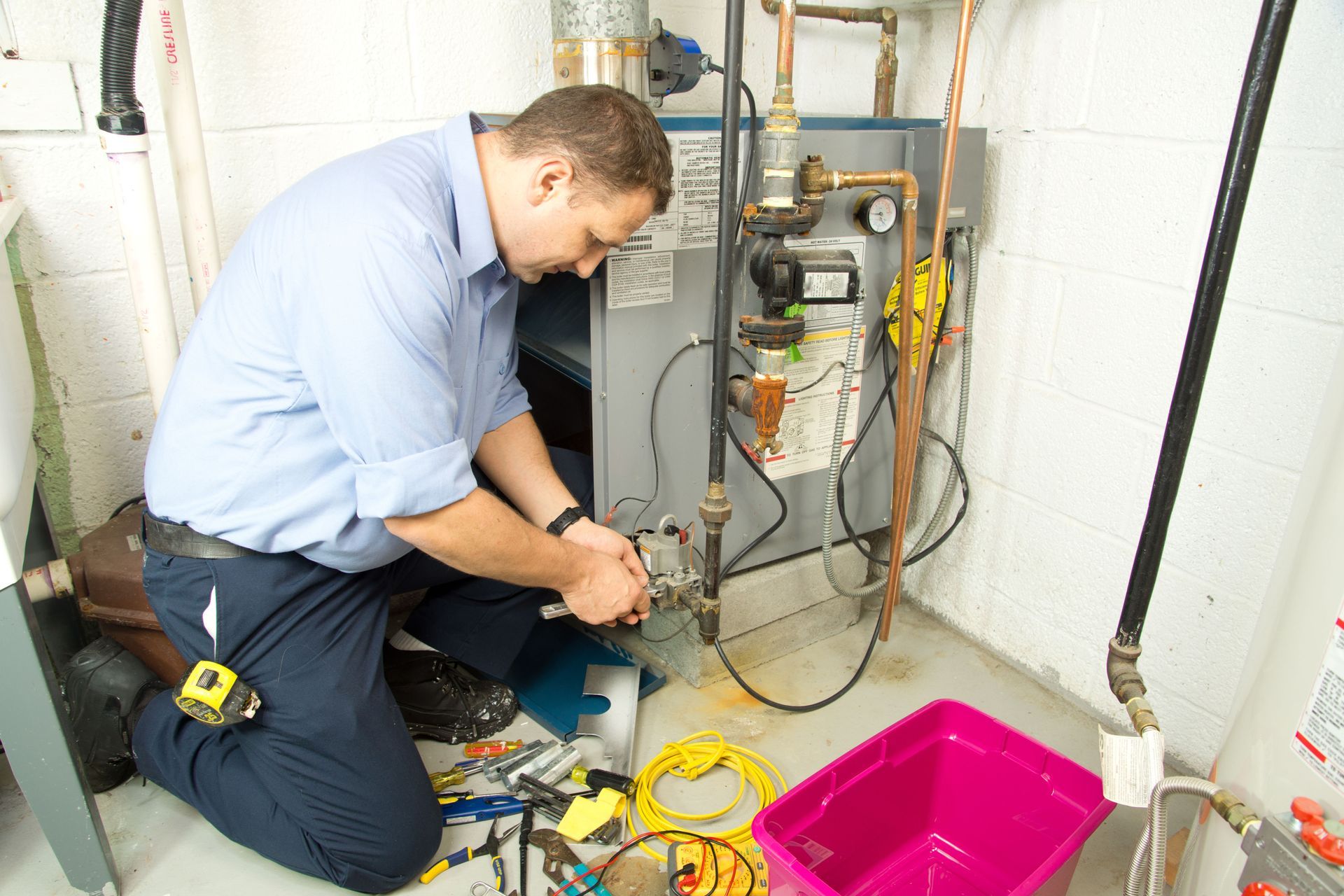
While some attempt DIY, professional installation is strongly advised. Pros understand gas lines, venting, and electrical work, preventing dangerous errors.
Finally, confirm compliance with local codes and permits. Venting, clearance, and seismic strapping are often required. Meeting codes protects both safety and resale value.
The Installation Process
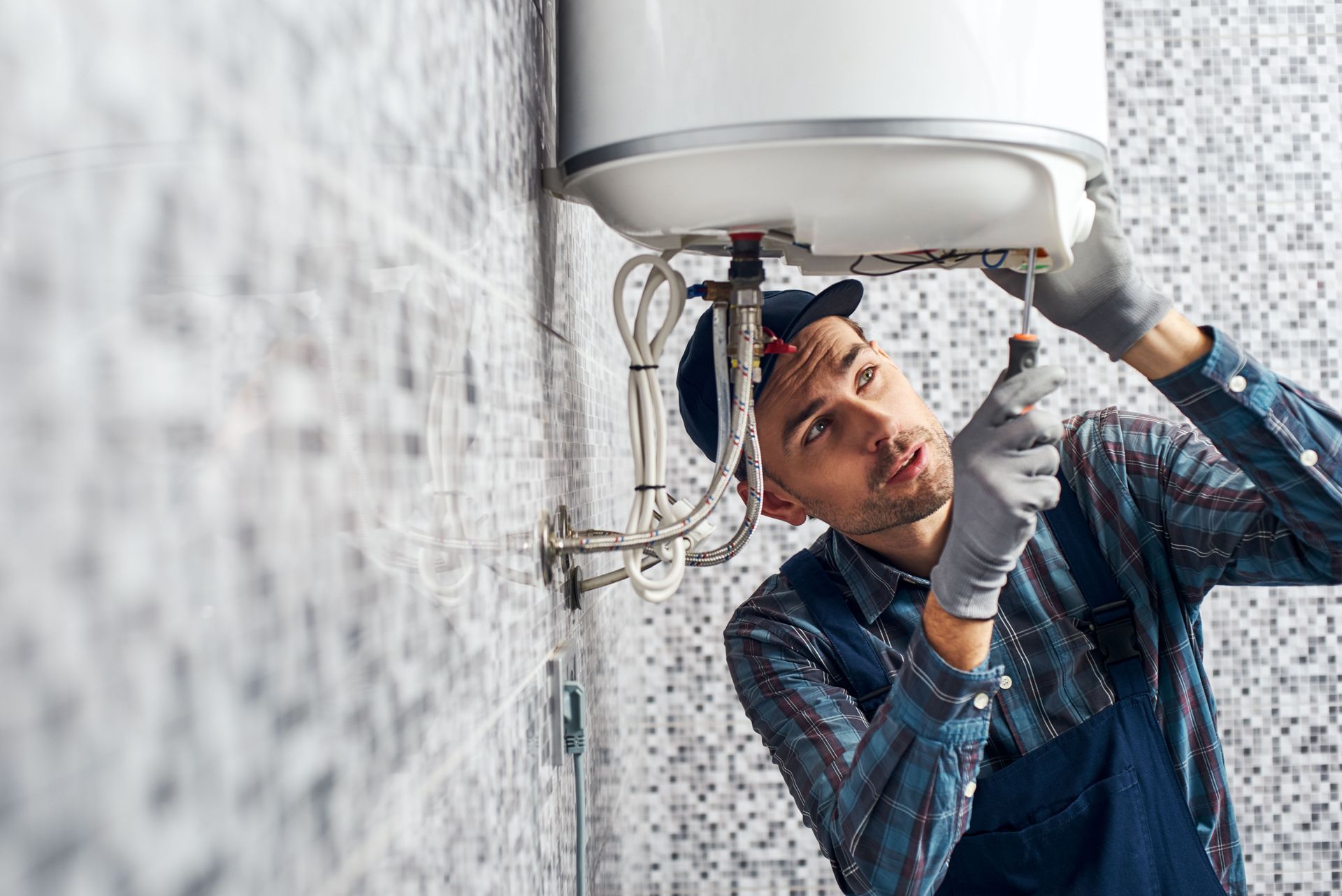
The first step is removing the old water heater. Power and water supplies are disconnected, the unit is drained, and all fittings removed. Safe disposal is arranged according to local rules.
The new heater is then positioned. Basement installs may require elevation, while garage installs need secure strapping. Adequate clearance for ventilation and maintenance should be confirmed before moving on.
Water supply lines are connected with precision. Flexible connectors help, but fittings must be checked carefully for leaks. In areas with hard water, expansion tanks are added to prevent damage.
For gas and hybrid models, venting systems are installed. Using certified venting materials ensures gases are safely expelled, protecting against carbon monoxide.
Electrical connections are finalized for electric units. Secure grounding and proper wiring are essential before power is restored at the breaker.
Testing And Inspection
Once installed, the new unit must be tested. Initial water tests verify pressure, heating capacity, and simultaneous fixture performance. If hot water reaches all taps consistently, the install is considered successful.
Leak checks follow. Even small drips can waste water and cause damage. Pressure should also be evaluated, and the relief valve tested for safety.
Temperature is adjusted next, with 120 degrees Fahrenheit generally recommended. According to guidelines, this setting balances comfort, energy efficiency, and safety by reducing scald risks.
Finally, safety features are inspected. Relief valves, groundings, and shutoff switches are checked for reliability. Documenting compliance with codes finalizes the process.
Post-Installation Maintenance
To maximize the lifespan of your water heater, maintenance must become routine. Scheduling professional checkups prevents small problems from growing into costly repairs. Keeping a log of inspections and adjustments helps track performance over time.
Flushing the tank annually reduces sediment buildup, improving efficiency and water quality. Ignoring this step can lead to premature failure.
Anode rods should be checked and replaced every few years. They prevent tank corrosion and extend appliance life.
Homeowners should also learn basic troubleshooting. Noisy tanks, discolored water, or fluctuating temperatures are often fixable with simple adjustments. But knowing when to stop and call a professional avoids bigger problems.
Cost Considerations
The cost of a water heater install depends on type and complexity. Traditional tank models are typically less expensive upfront, while tankless, hybrid, or solar systems carry higher initial costs. Professional labor fees add to the total, but safe and compliant work makes this a necessary investment.
Long-term efficiency also affects cost. Tankless and hybrid systems consume less energy and reduce bills over time. According to the U.S. Department of Energy, water heating makes up about 20% of household energy use, making efficiency critical.
Energy savings from efficient systems can be substantial. Features like heat exchangers and high-efficiency burners reduce waste. Renewable options such as solar depend on free energy, further cutting operating costs.
Maintenance costs should also be factored in. Tankless and solar heaters may need specialized servicing, while tanks often require flushing and anode rod replacement. Planning for upkeep helps avoid unexpected expenses.
A water heater install is more than just swapping out an appliance—it’s a long-term investment in your home’s comfort, safety, and efficiency. From choosing the right type and size to testing safety features and planning for maintenance, every step plays a part in reliable hot water for years to come. According to the U.S. Department of Energy, water heating accounts for a significant portion of residential energy use, highlighting the importance of choosing an efficient system.
If you’re preparing for a new water heater, don’t leave the process to chance. Trust the professionals who know how to handle every stage safely and effectively. Reach out to Jim England Plumbing today to schedule your installation and keep your home running smoothly.
Share On: