
Things to Expect With Your Water Heater Installation
Installing a new water heater can be a significant upgrade to your home’s comfort and functionality. Understanding what to expect during the installation process can help you prepare and ensure a smooth experience. This article outlines key aspects and considerations for your water heater installation.
Preparing for the Water Heater Installation Process
When preparing for a water heater installation, the first important step is selecting the right type of system for your household. This involves considering capacity, energy efficiency, and fuel type. Deciding between a tank or tankless model is a choice that affects long-term comfort and cost. Professional guidance ensures you select a unit that matches your hot water demands while also offering strong warranties and reliable performance. With expert input, this decision becomes more straightforward and far less stressful.
It is equally vital to understand the requirements of the water heater installation itself. Local building codes, venting specifications, and safety standards must all be met for compliance. Without proper planning, delays or added costs can arise, but professional installers are well-versed in these rules and make sure every step adheres to regulations. Preparing the installation area ahead of time is also helpful. Clearing pathways, ensuring adequate lighting, and removing obstacles allows for a faster, more efficient installation process. These small steps help both the homeowner and the installation team achieve the best results.
Another consideration is communication with your installer. Coordinating schedules, confirming timelines, and asking questions ahead of time avoids confusion. Many professionals provide guidance on preparing the space, clarifying costs, and discussing potential permit requirements. According to the U.S. Department of Energy, water heating makes up nearly one-fifth of the average household’s energy consumption, highlighting why selecting the right system and ensuring proper installation can have a lasting impact on efficiency.
Removing the Old Water Heater Safely
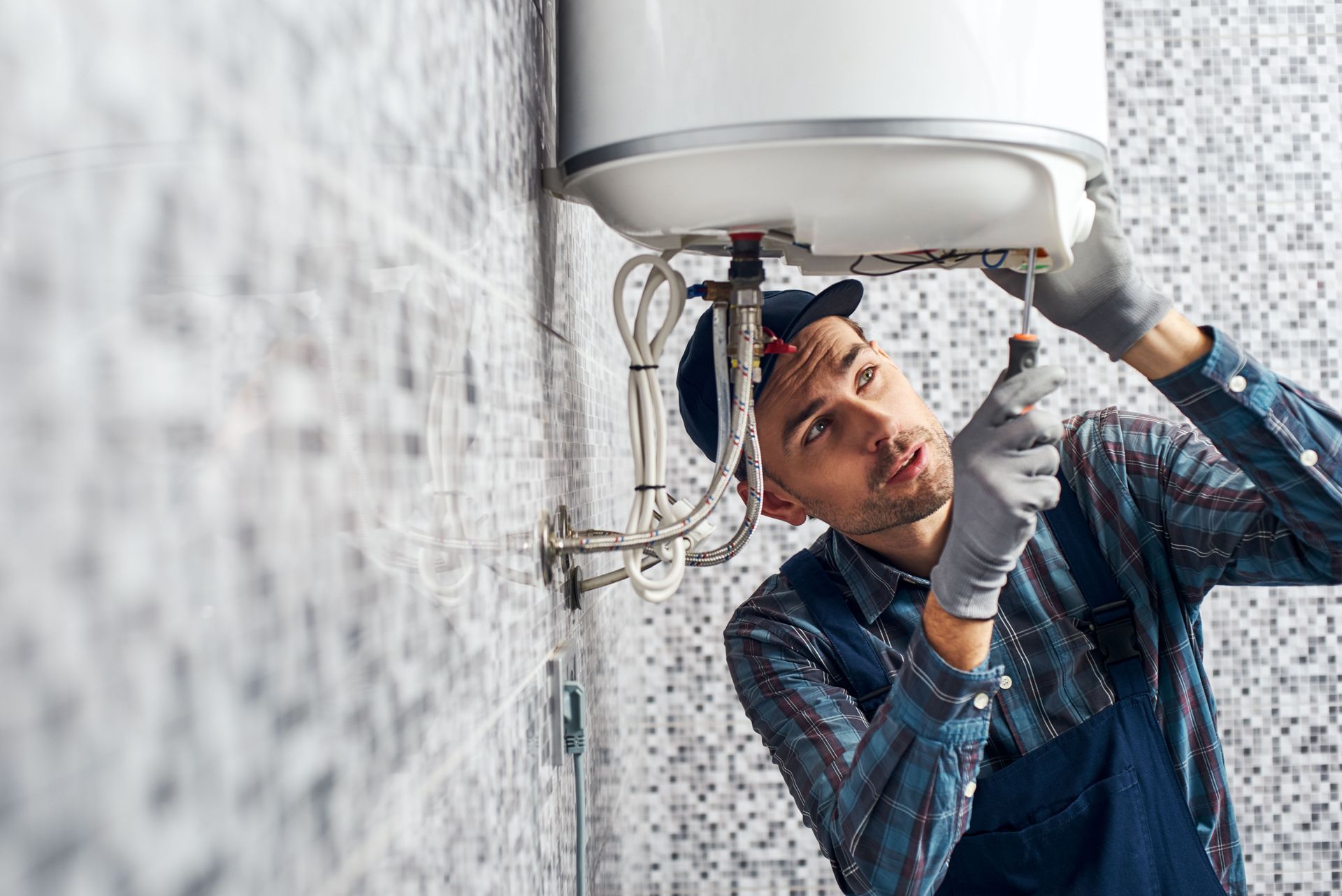
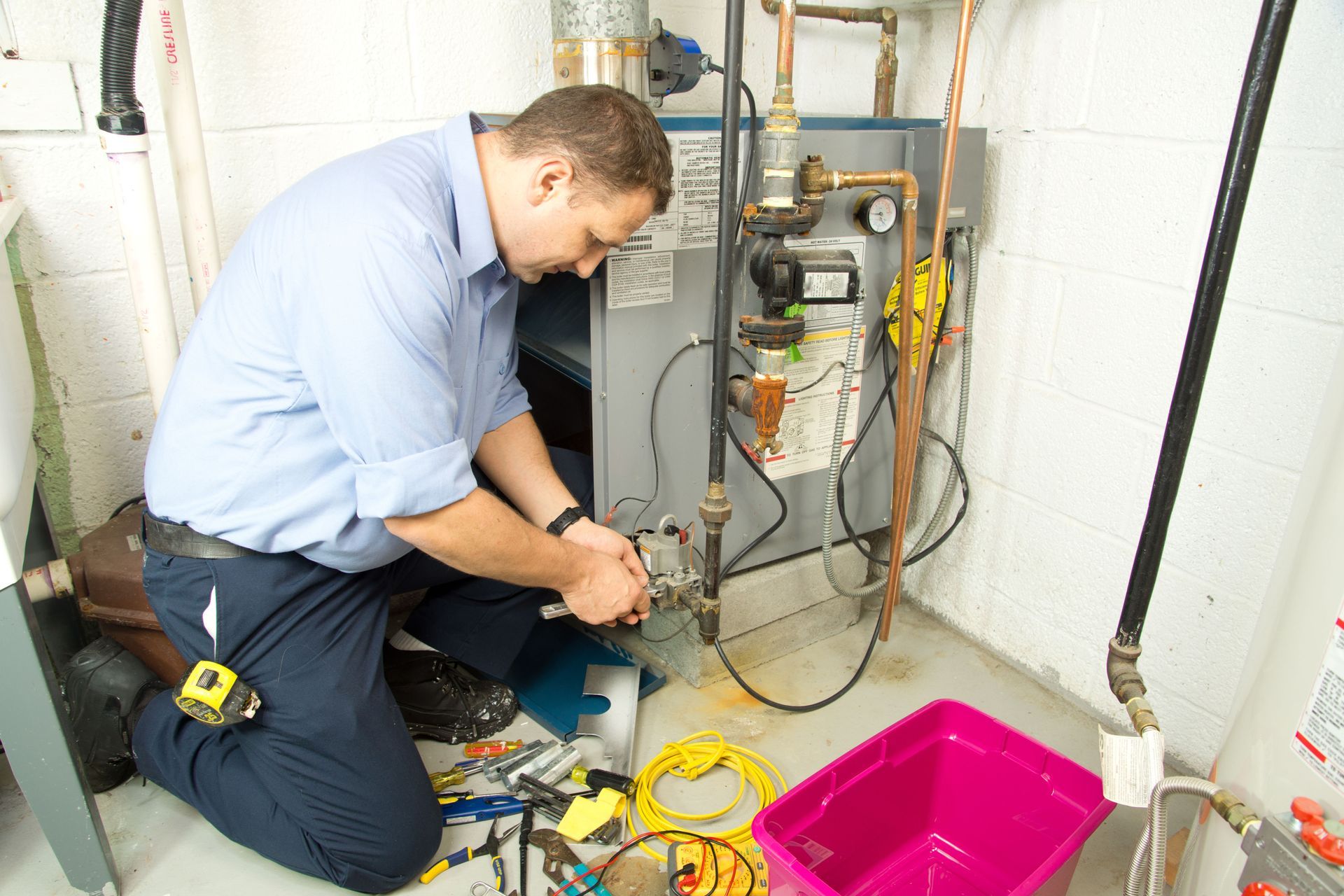
A crucial step in the water heater installation process is removing the old unit. Professionals begin by shutting off the water and disconnecting the power supply, whether electrical or gas. Safety is a top priority, as mishandling connections could lead to leaks or hazards. Draining the tank is the next step, usually done with a hose attached to the drain valve to prevent messy spills. Once emptied, the old unit can be carefully detached and removed without damaging the surrounding space. Professionals know how to handle heavy equipment safely, often bringing in additional tools or support for larger tanks.
Proper disposal is also essential. Many areas have rules for appliance disposal, and recycling centers often accept old water heaters. Professional services frequently include removal and disposal in their overall fee, saving homeowners extra hassle. During this stage, hidden issues sometimes come to light. Corroded pipes, rust, or prior leaks may be discovered once the old heater is gone. Addressing these problems before the new water heater installation ensures reliability and efficiency. With the area cleared and repairs made, the space is ready for the new unit to be set in place.
Completing the New Water Heater Installation
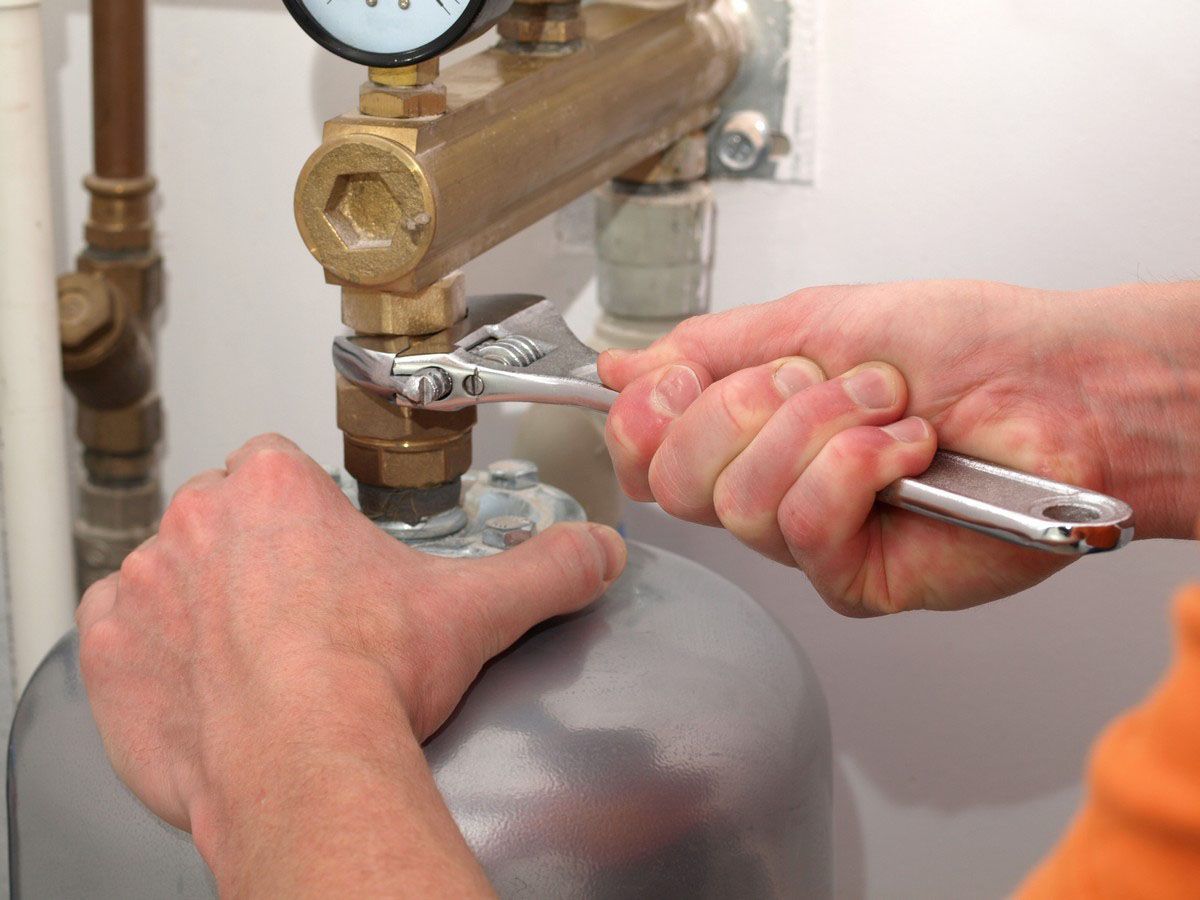
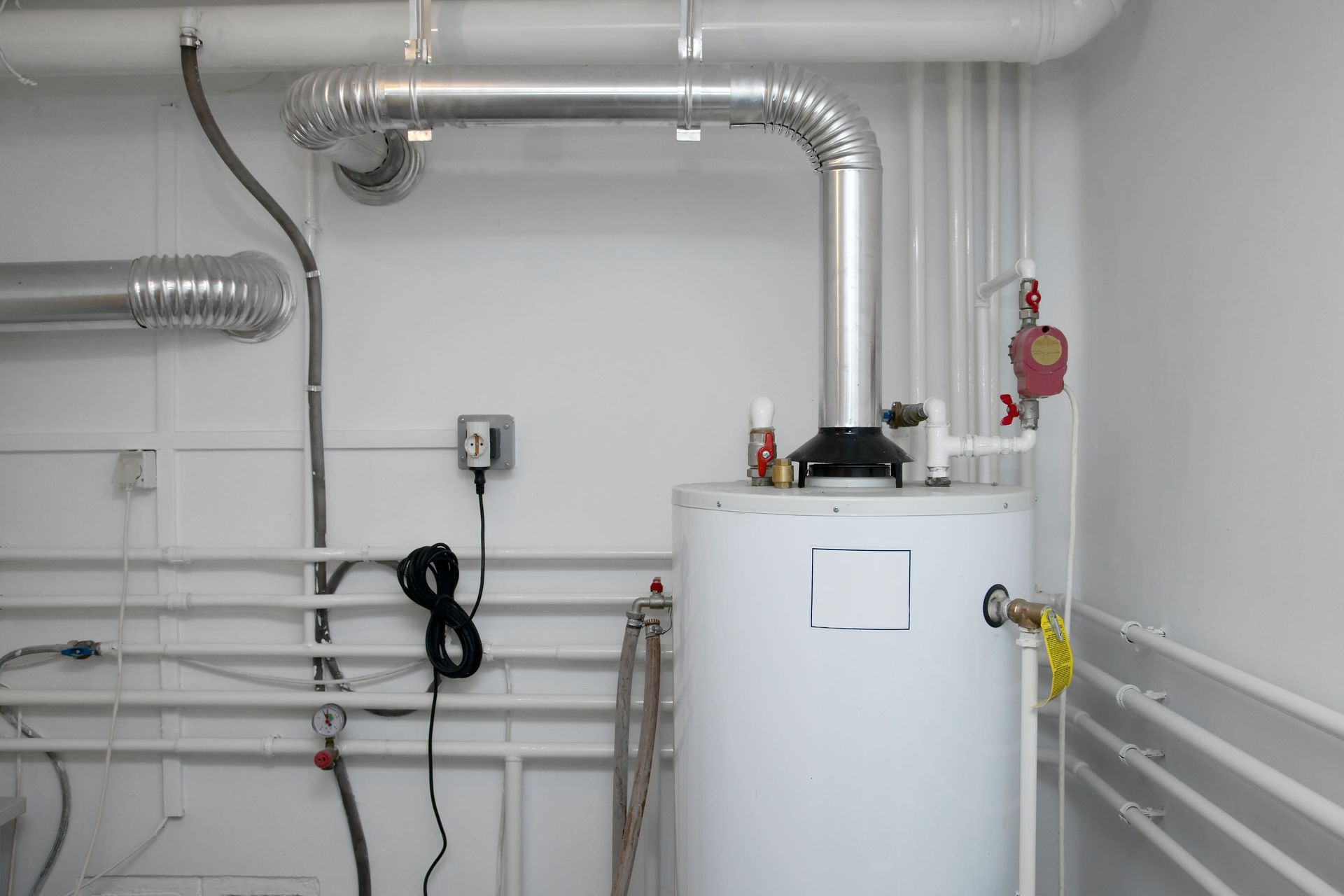
Positioning the new water heater properly is vital. It must sit on a stable, level surface with enough clearance for maintenance. Installers carefully align it with the water lines and connections, ensuring it is both safe and accessible. Once positioned, connecting the water supply is the next step. Professionals attach the inlet and outlet lines securely, install pressure relief valves, and confirm that the plumbing is sound. These careful details prevent leaks and guarantee steady water flow throughout the home.
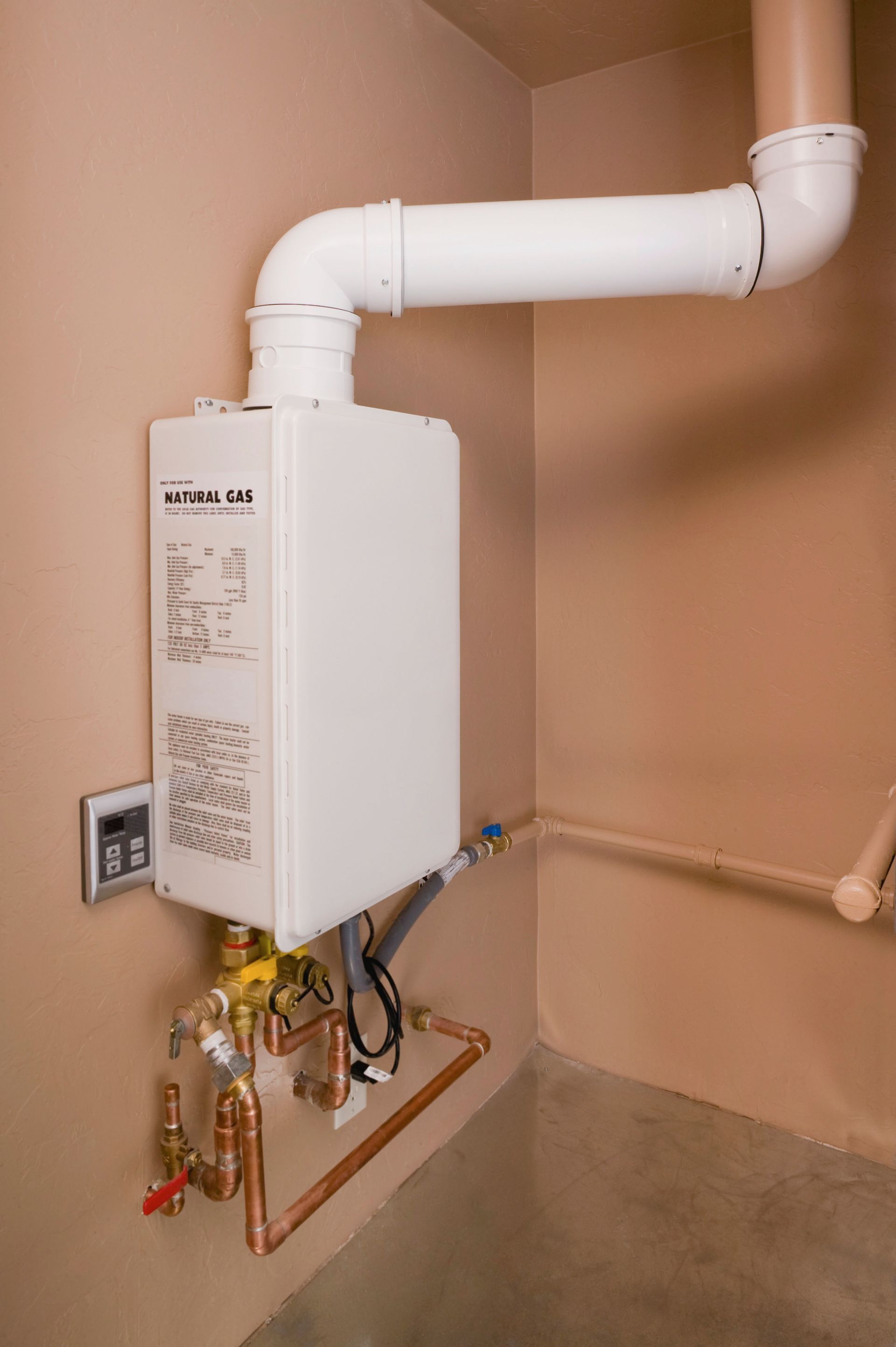
Next comes the fuel connection. For electric water heaters, wiring is tied into the home’s electrical system, while gas models are connected to secure lines and vented properly. This stage often requires thorough testing, as installers check for correct power flow, gas pressure, and safe venting. After connections are complete, technicians run an initial performance test. They fill the tank, activate the unit, and check water temperature consistency. Monitoring for unusual noises or leaks ensures the water heater installation has been successful. Professional installers also confirm compliance with local codes, ensuring your system is safe, legal, and dependable.
Maximizing Safety and Long-Term Efficiency
Post-installation safety checks are one of the most important aspects of the process. Professionals carefully examine all water, electrical, and gas connections to ensure there are no leaks or loose fittings. Testing the pressure relief valve confirms the system can manage excess pressure safely. Thermostat adjustments are also made during this stage. Installers often set it at 120°F, balancing comfort with safety and efficiency. Homeowners can adjust this setting if desired, but professionals ensure it starts at the safest, most cost-effective level.
Gas water heaters also require strong ventilation systems to keep harmful gases, such as carbon monoxide, from accumulating indoors. A proper venting system not only protects your family but also supports optimal heater performance. Before leaving the job, professionals run final safety checks, including testing valves, verifying electrical security, and checking for carbon monoxide emissions. These steps give peace of mind that your water heater installation is safe, compliant, and fully functional for immediate use.
Maintaining Your Water Heater After Installation
Professional water heater installation provides a strong foundation, but regular maintenance is key to long-term performance. Homeowners should review the manufacturer’s manual to better understand operation, warranty conditions, and troubleshooting tips. Conducting routine checks is also recommended. Looking for leaks, monitoring thermostat settings, and watching for odd noises can help identify problems early before they become expensive repairs. Keeping the outside of the unit clean and rust-free further supports durability.
One highly effective maintenance step is periodic draining of the tank. Sediment build-up can reduce efficiency, lower capacity, and raise energy bills. Flushing the tank every few months, or at least once annually, helps prevent these problems. Additionally, keeping fittings and valves tight ensures consistent pressure and heating performance. For tankless water heaters, descaling may be needed to remove mineral build-up. Finally, scheduling annual professional inspections provides a deeper layer of protection. Experts can test efficiency, examine electrical components, and clean or replace parts as needed. This balance of homeowner care and professional service ensures your water heater installation continues to serve you for many years.
Advantages of Choosing a Professional Installation
Opting for professional water heater installation offers several benefits beyond just convenience. A new system delivers increased energy efficiency, lowering monthly bills thanks to advanced insulation and improved heating elements. Modern models are designed to meet today’s higher efficiency standards, helping households save both energy and money. The consistency of hot water supply is another major advantage. New heaters respond quickly, heat water faster, and maintain steady temperatures even when multiple fixtures are in use simultaneously.
Another advantage lies in the technology included with many modern units. Features like smart thermostats, Wi-Fi controls, and enhanced safety mechanisms improve both convenience and security. These updates allow homeowners to adjust water heating schedules from their phones, maximize efficiency, and prevent overheating or leaks. While the upfront cost of water heater installation may seem significant, the long-term financial benefits make it a wise investment. Lower energy bills, reduced repair needs, and fewer replacements all add up to meaningful savings. Finally, a new water heater can even increase your property value. Buyers appreciate homes with updated, energy-efficient systems, making your investment an asset that improves daily comfort and future resale potential.
Installing a new water heater brings both immediate comfort and long-term value to your home. By preparing properly, working with professional providers, and keeping up with maintenance, you can count on reliable performance for years to come. Professional water heater installation not only improves your daily convenience but also strengthens your home’s safety, efficiency, and overall value. Jim England Plumbing today for high-quality plumbing.
Share On: